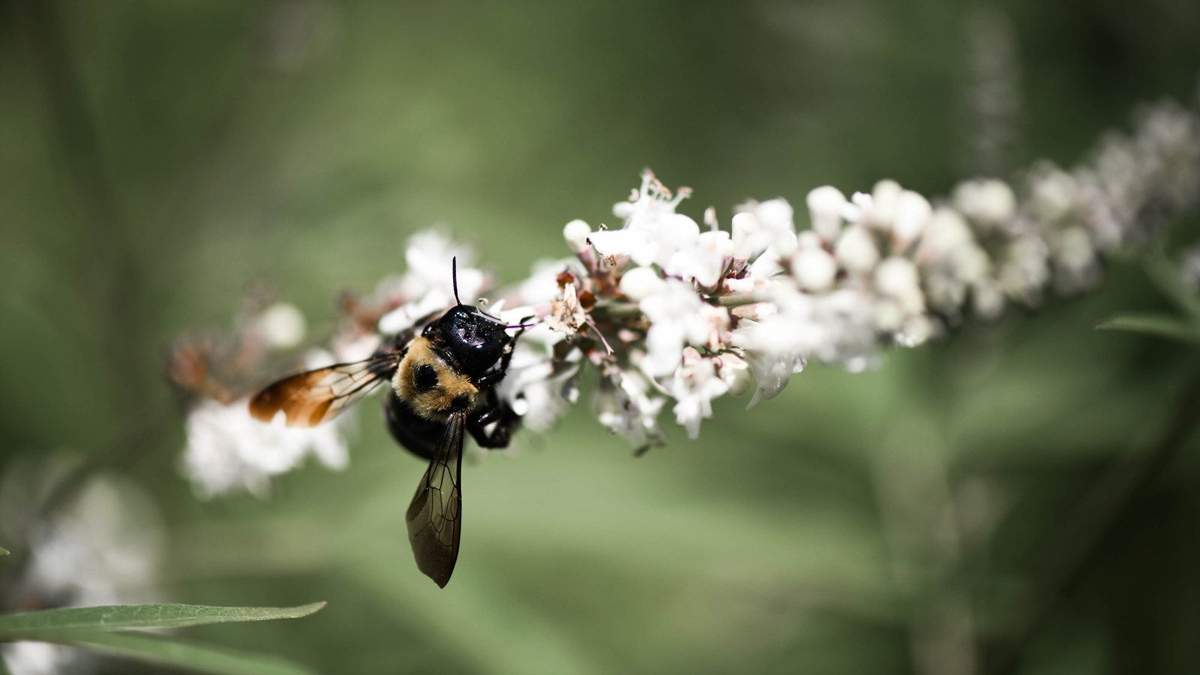
Virginia sweetspire isn't typically a container shrub, but compact varieties can add seasonal beauty while attracting pollinators to smaller areas. This native shrub makes a stunning statement on patios and decks, though it does need some care.
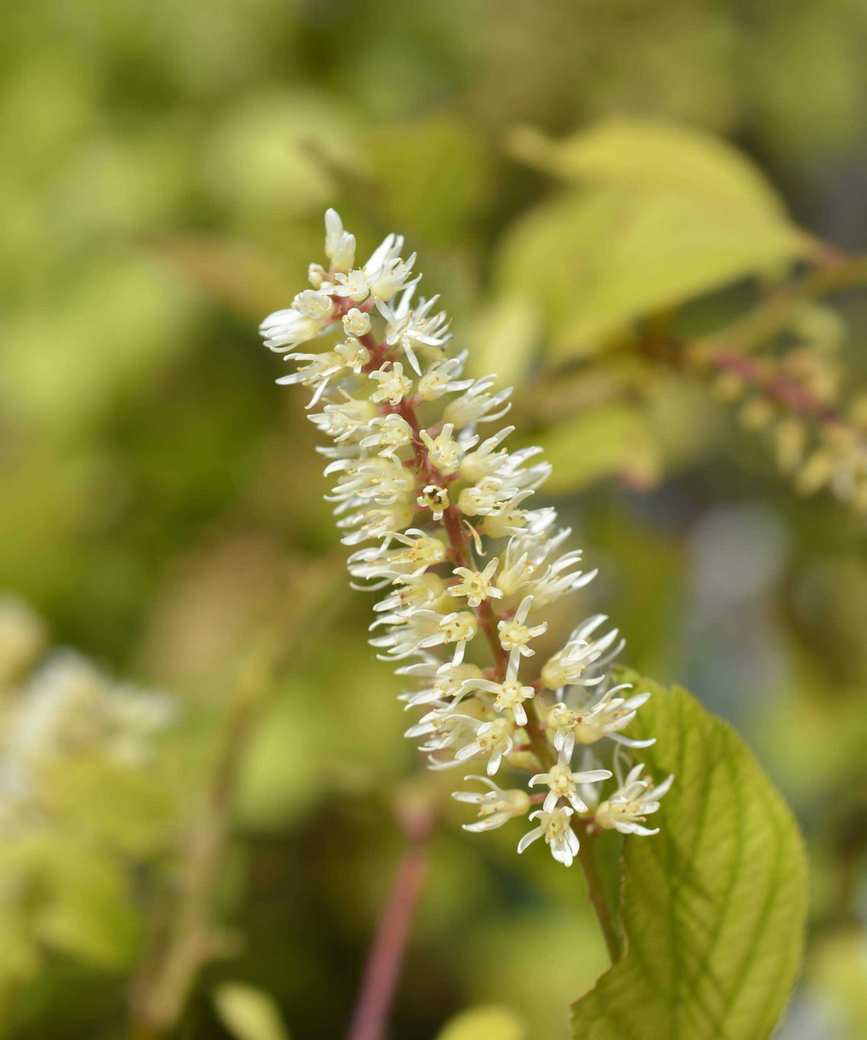
When grown in pots, Virginia sweetspire remains more compact than when planted in the ground, avoiding the spreading and suckering habits. It produces lovely white, fragrant blooms from late spring to mid-summer, followed by vibrant fall foliage.
If you're looking for a low-maintenance shrub that provides year-round charm and appeals to bees, butterflies, and hummingbirds, consider Virginia sweetspire. Here's how to cultivate it in containers, focusing on five essential factors for thriving plants and beautiful displays.
1. Choose a Compact Variety
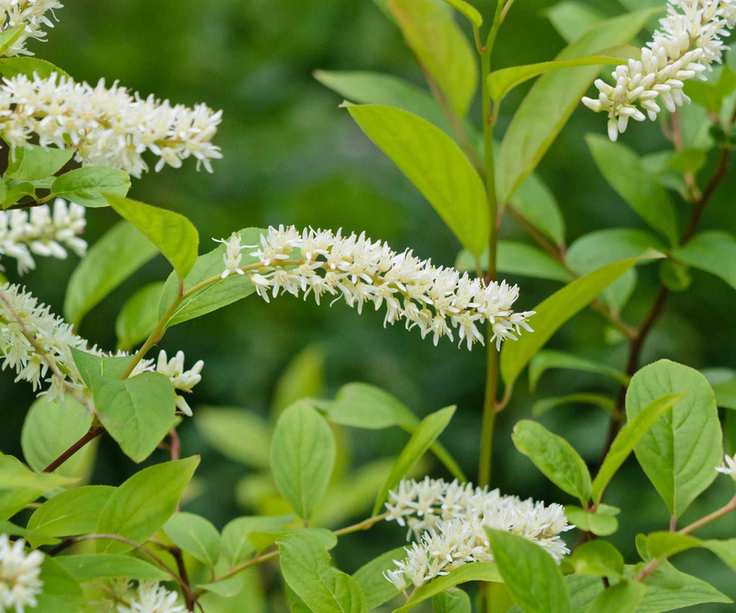
Virginia sweetspire (Itea virginica) is a native plant of North America with several cultivated varieties that can reach heights of up to eight feet.
For container growing, however, there are great compact options that fit smaller gardens. Varieties like 'Little Henry', 'Merlot', and 'Scentlandia' are excellent choices.
You can find the Virginia sweetspire 'Little Henry' at Nature Hills, which grows to about 2-4 feet tall and is favored for its white flowers in late spring and stunning fall colors.
2. Use a Spacious Container with Quality Soil
Select a container that is at least 12 inches wide and deep. You can transfer the shrub to larger pots as it grows, but starting small helps prevent root rot from excess moisture in oversized containers.
Any material works for the container, but ensure it has a drainage hole to let excess water escape.
Fill the container with a light, moisture-retentive, well-draining potting mix. Virginia sweetspire can thrive in various soil types, but in pots, good drainage and fertility are crucial. A soil-based mix (like this organic potting mix at Amazon) or adding compost to a soilless mix works well.
3. Ensure Adequate Light
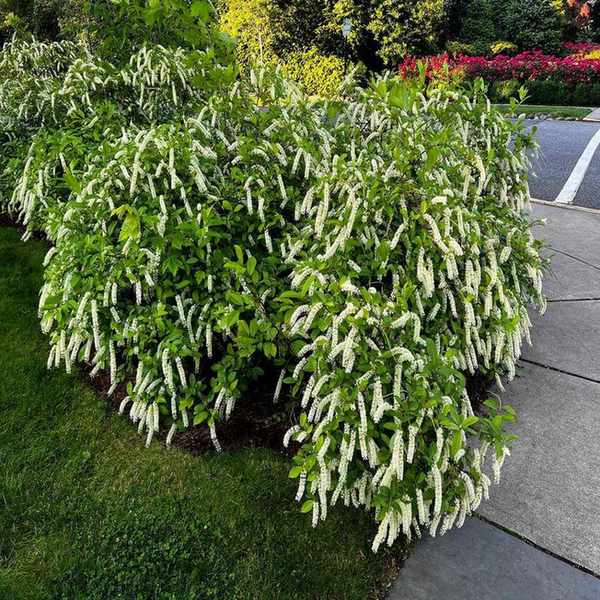
The location of your Virginia sweetspire affects its flowering and fall color, making this an important factor. A benefit of container gardening is the ability to move plants to maximize sunlight exposure throughout the seasons.
These shrubs thrive in full sun but can tolerate partial shade. Aim for at least 4-6 hours of sunlight daily; more sun means more blooms and vibrant fall colors. However, in warmer climates, it's wise to provide some afternoon shade, opting for a spot with morning sun and afternoon protection.
4. Water and Fertilize Regularly
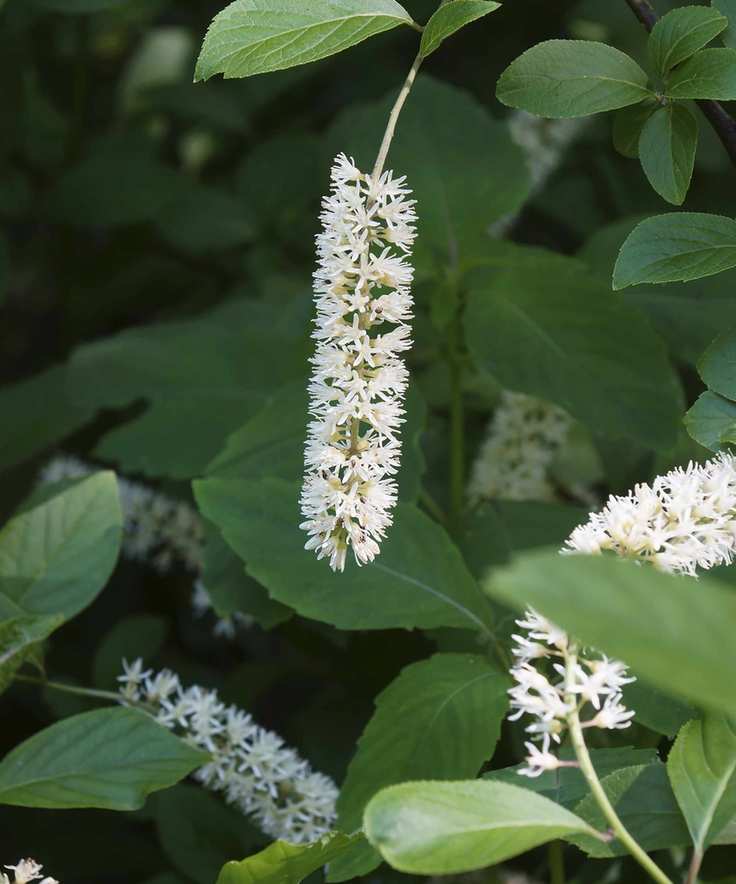
Container-grown Virginia sweetspire requires more attention to care than those in the ground. Regular watering and feeding are vital for maintaining healthy plants.
This shrub prefers wetter soils, often found near riverbanks, so it's essential to water frequently when grown in pots. During summer, deep watering every day or two may be necessary to keep the soil moist.
For fertilizing, apply a balanced granular fertilizer in spring, like this all-purpose plant food at Burpee. Continue feeding with a liquid fertilizer (such as this water-soluble plant food at Amazon) every two weeks through spring and summer.
5. Prune for Compact Growth
Pruning Virginia sweetspire in pots helps maintain its compact shape. As this shrub blooms on old wood, prune after flowering in early summer to allow time for new growth and buds for the next season's display. Avoid pruning in spring, as this would remove potential flowers.
Use sharp, clean pruning shears to trim away any dead or damaged branches, and gently shape the plant to keep it looking neat.
Recommended Products
Scentlandia Sweetspire'Scentlandia' is a compact sweetspire that grows 2–3 feet tall and wide, featuring larger, more fragrant flowers than other varieties, and is cold-tolerant to zone 5.
Handmade Tuscan PotA classic planter crafted from high-quality Tuscan clay, perfect for enhancing the appearance of any deck, patio, or courtyard. It includes a drainage hole for proper moisture control.
Titanium Pruning ShearsA reliable pair of pruning shears is crucial for trimming shrubs. These bypass pruners are made from top-grade, high-carbon steel for clean, precise cuts.
Consider pollinators when designing your garden, from containers on a deck to landscaped areas. Explore our guide on the best hedges for pollinators for ideas to create a vibrant wildlife-friendly space.