
In light of recent events, especially the global pandemic, many of us are navigating significant changes in our lives and finances. March marked Wall Street's most challenging month since 2008, with the S&P 500 dropping almost 13%. This crisis has left millions uncertain about their jobs, income, and financial futures.
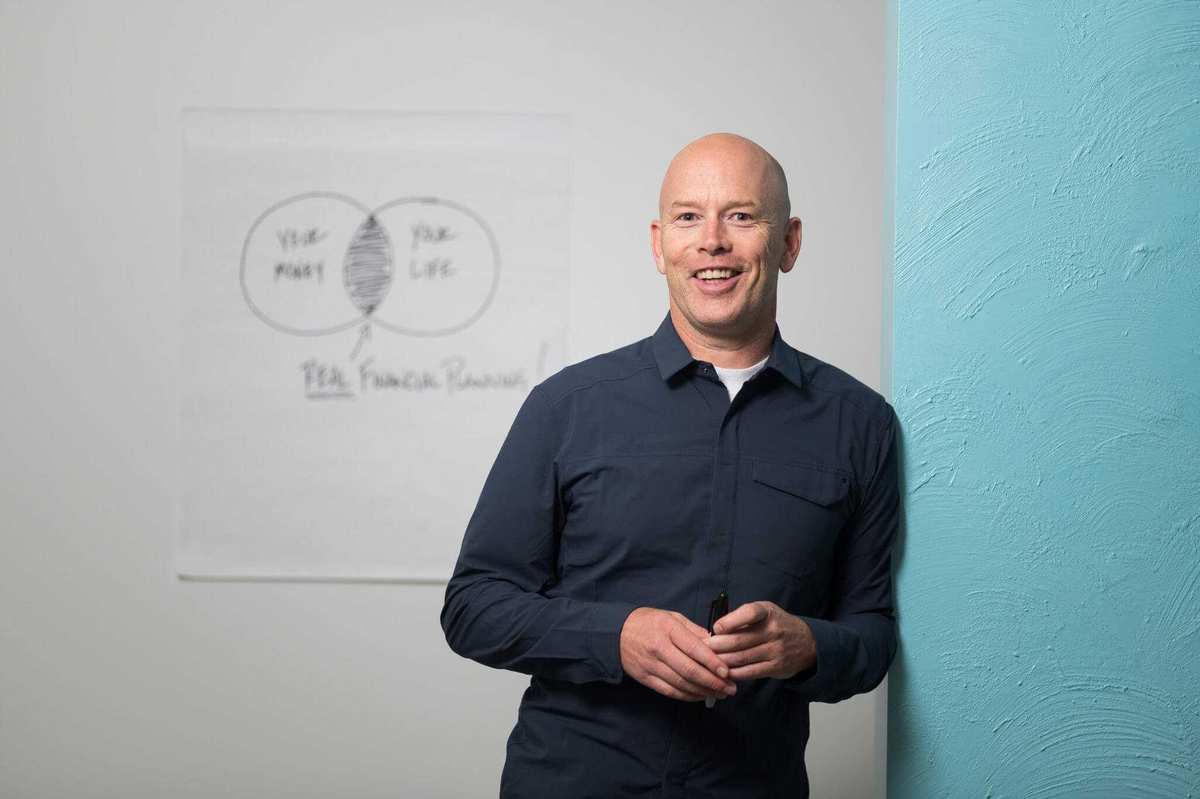
This episode focuses on how to approach uncertainty in our lives and finances while discussing actionable steps we can take. We welcome Carl Richards, a Certified Financial Planner and author of "The One-Page Financial Plan" and "The Behavior Gap."
Jean and Carl discuss decision-making during tough times, emphasizing that choices shouldn't stem from panic. They outline steps to regain control when our plans feel disrupted, reinforcing the need to adhere to initial financial strategies even when faced with obstacles. Carl highlights the importance of keeping perspective during crises, noting that while each downturn is unique, history shows that recovery is inevitable.
They also explore “panic behavior,” such as stockpiling supplies, and stress the value of maintaining focus on what we can control. Even if it's just managing your breath, that focus can gradually lead to a broader sense of control over your circumstances.
If you're feeling pressured to make the right decisions, Carl suggests shifting your mindset to aim for being "a little less wrong" rather than perfect. This approach recognizes that sometimes, we have to choose the least bad option.
For those looking to cut back on spending, Carl recommends identifying hidden expenses that can be reduced. As more information comes to light, consider small, manageable steps to help navigate through this timeframe.
Listener Mailbag
In our Mailbag segment, Jean and Kathryn respond to a listener's inquiry about whether to purchase a new car now or wait due to the economic situation. They also address questions related to refinancing student loans and mortgages, along with concerns about retirement contributions during market downturns. Jean elaborates on resilience and perseverance, sharing insights on achieving success.
Transcript
Jean Chatzky: (00:03)
Welcome to our latest episode, where we discuss navigating these unpredictable times. The COVID crisis has left many feeling uneasy about their jobs and finances. It’s essential to differentiate between what we can control and what we cannot.
Jean Chatzky: (01:30)
Joining me today is Carl Richards, tuning in from London. Carl is a certified financial planner and the author of insightful works on financial behavior.
Carl Richards: (02:02)
Thanks for having me, Jean.
Jean Chatzky: (02:04)
I’m doing well, thank you. I'm fortunate to be able to connect with you and my family during these challenging times.
Carl Richards: (02:25)
I feel the same. It’s crucial to acknowledge our feelings of uncertainty and the underlying anxiety that accompanies it.
Jean Chatzky: (03:09)
Absolutely. We need to embrace discomfort and determine how much we can handle before making decisions about our finances.
Carl Richards: (04:03)
Good decision-making comes from a place of calm, not panic. We need to allow ourselves to feel our emotions but also recognize our ability to choose how to respond.
Carl Richards: (04:44)
We can't afford to make decisions from a place of fear.
Jean Chatzky: (04:48)
Your insights about decision-making are compelling. What can you share about managing our investments during this time?
Carl Richards: (05:05)
It's essential to stay committed to your long-term plan. Reassess only when necessary. Remember, you’ve built your portfolio based on historical data, which anticipated downturns.
Carl Richards: (08:59)
This situation, while unique, will eventually resolve. We will return to normalcy.
Jean Chatzky: (09:53)
It’s all about maintaining confidence in the future, even amidst uncertainty.
Carl Richards: (10:36)
Indeed. Historical patterns show that we will find a way through this.
Jean Chatzky: (10:40)
What are your thoughts on the panic behavior we’re witnessing?
Carl Richards: (11:15)
It’s classic panic behavior. People often react irrationally, driven by fear rather than logic.
Jean Chatzky: (12:19)
Let’s discuss what to do when plans fall apart.
Carl Richards: (13:19)
It's crucial to have empathy and give yourself space to process before taking action.
Carl Richards: (13:52)
Making bad decisions during crises is common; start with small, manageable steps.
Carl Richards: (14:03)
Focus on immediate actions, and gradually expand your perspective as you gain control.
Jean Chatzky: (14:43)
Exactly! We need to approach our situations rationally and with patience.
Carl Richards: (15:00)
Taking one step can lead to new perspectives and help us navigate uncertainty.
Jean Chatzky: (20:03)
It's essential to remain flexible and open to new information as we adapt our plans.
Carl Richards: (20:51)
Exploring all options is vital; consider smaller withdrawals if necessary.
Carl Richards: (21:46)
Avoid drastic measures like selling everything; keep your options open.
Carl Richards: (22:47)
Thank you for this insightful conversation.
Jean Chatzky: (23:08)
Where can our listeners connect with you?
Carl Richards: (23:12)
I’m focusing on the subscribers at the Behavior Gap weekly letter. Visit behaviorgap.com for more.
Jean Chatzky: (23:22)
You should definitely check out Carl’s weekly letter. It’s fantastic.
Jean Chatzky: (23:30)
Thanks for joining us.
Jean Chatzky: (23:40)
Kathryn Tuggle has joined me for our mailbag segment.
Kathryn Tuggle: (23:49)
Yes, I’m here.
Jean Chatzky: (23:49)
We are connecting from different locations due to current circumstances.
Kathryn Tuggle: (24:00)
It feels strange not being in the same space.
Jean Chatzky: (24:07)
But we’re adapting as needed.
Kathryn Tuggle: (24:10)
Absolutely.
Jean Chatzky: (24:36)
We’ve been working hard to bring valuable conversations forward.
Kathryn Tuggle: (24:48)
Yes! Our listeners have sent in many thoughtful questions related to the current crisis.
Jean Chatzky: (25:55)
Let’s dive into those questions.
Kathryn Tuggle: (26:00)
(laughing)
Jean Chatzky: (26:00)
Alright, let’s start with our first listener question.
Kathryn Tuggle: (28:37)
Our first note is from Nancy. She was close to taking out a car loan when the pandemic hit. Her current vehicle is aging, and she wonders whether to proceed with her purchase or wait.
Jean Chatzky: (28:39)
Nancy, if your car is in bad shape, it might be worth proceeding. Rates are currently favorable, and you can always refinance later.
Kathryn Tuggle: (28:39)
Great advice!
Kathryn Tuggle: (29:58)
Our next listener is anonymous. She inquires about refinancing her student loans and whether she should hold off due to potential loan forgiveness related to COVID-19.
Jean Chatzky: (29:58)
I recommend holding off on refinancing federal loans for now due to interest waivers and potential repayment options. However, if they are private loans, consider refinancing to take advantage of lower rates.
Kathryn Tuggle: (33:25)
Fantastic insights!
Kathryn Tuggle: (33:33)
Our last note comes from Lindsey, who is considering refinancing her mortgage. She wants to know how long she has to take advantage of lower rates.
Jean Chatzky: (33:51)
You may have time, as rates could remain low for a while. Just keep an eye on the market and consider if the transaction costs are worth it.
Kathryn Tuggle: (35:05)
Good plan.
Jean Chatzky: (36:15)
In the Thrive segment, I want to talk about resilience. It’s the ability to adapt to challenges. Historical figures like Michael Jordan and the Beatles faced rejection but ultimately triumphed. Resilience can be developed by focusing on what we can control and taking action.
Jean Chatzky: (36:15)
Thanks for listening, and remember to subscribe to our show for more valuable insights.