
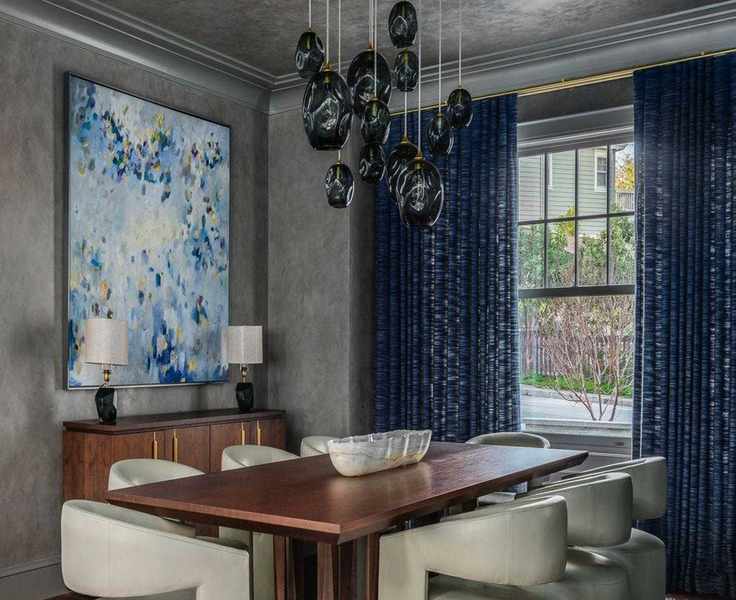

Lighting often comes as an afterthought in room design. By the time it's chosen, furniture and color schemes are settled, making it seem like just a finishing detail. I prefer to consider it early on, as it profoundly influences how a space feels. It's not just about illumination; it's about creating the right atmosphere and directing attention.
In dining areas, lighting usually becomes the centerpiece. A striking fixture above the table does more than illuminate; it shapes the room and sets a specific vibe. For instance, I once used a series of glass pendants hung at varying heights. This touch added a softness that prevented the otherwise tailored room from appearing overly stiff.
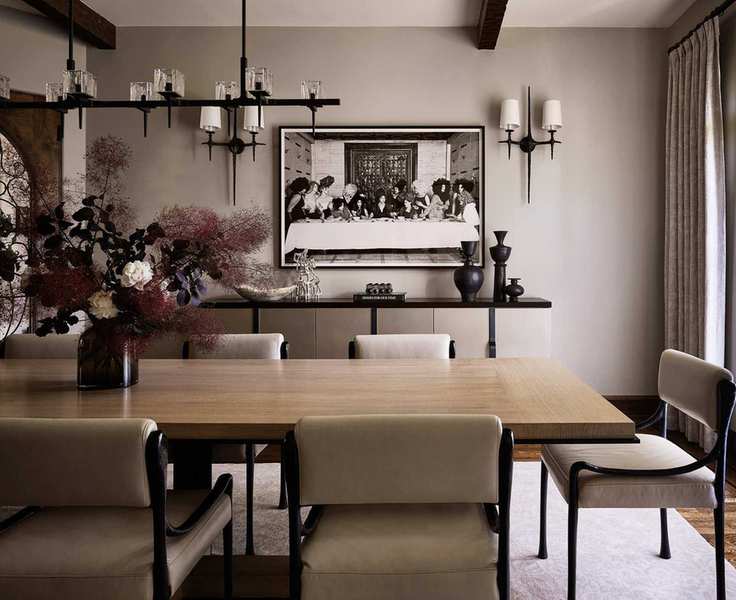
In a transitional dining room, I might choose a linear fixture to echo the table's shape, instilling a sense of order. Pairing it with sconces introduces layers, making the space feel more complete rather than flat. That's when lighting really starts to work its magic, subtly uniting all elements.
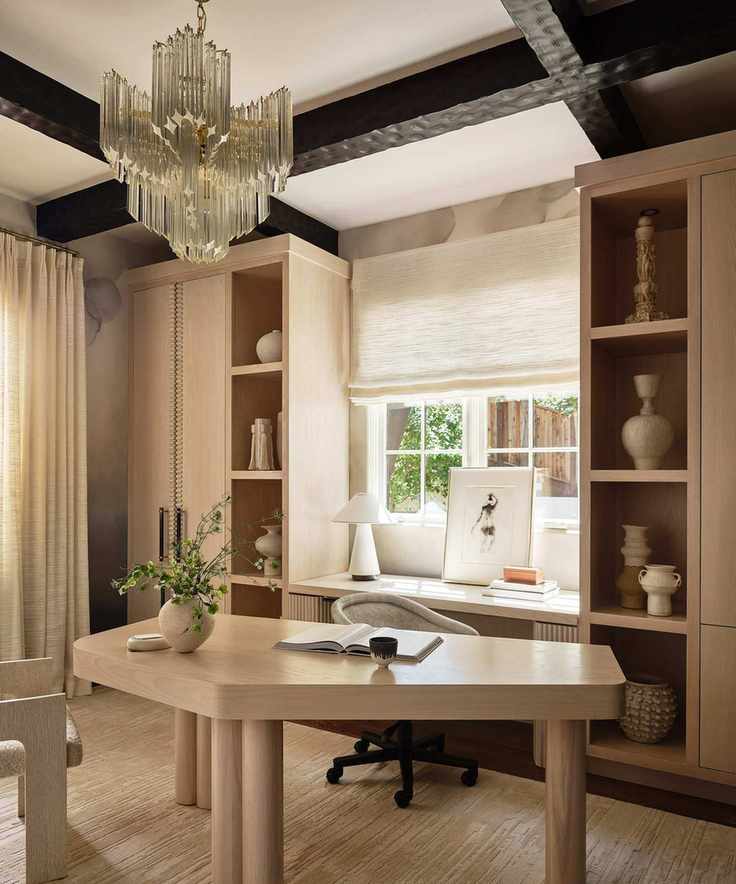
I typically think of lighting in three dimensions: ambient light fills the room, task lighting aids functionality, and accent lighting draws attention to key features. When all three are present, a room achieves a well-rounded feel that's hard to articulate but easy to experience. Take a home office, for example; it should be both practical and enjoyable. An overhead fixture adds character, but it's the smaller lights, like a table lamp, that create warmth and personality. Without layered lighting, even the most beautiful spaces can feel lifeless.

Lighting also serves as a simple way to add depth. In a dining room with rich green walls, an artistic fixture can act like jewelry, drawing the eye upwards, softening colors, and introducing movement. The light it casts redefines how everything else in the room is perceived.
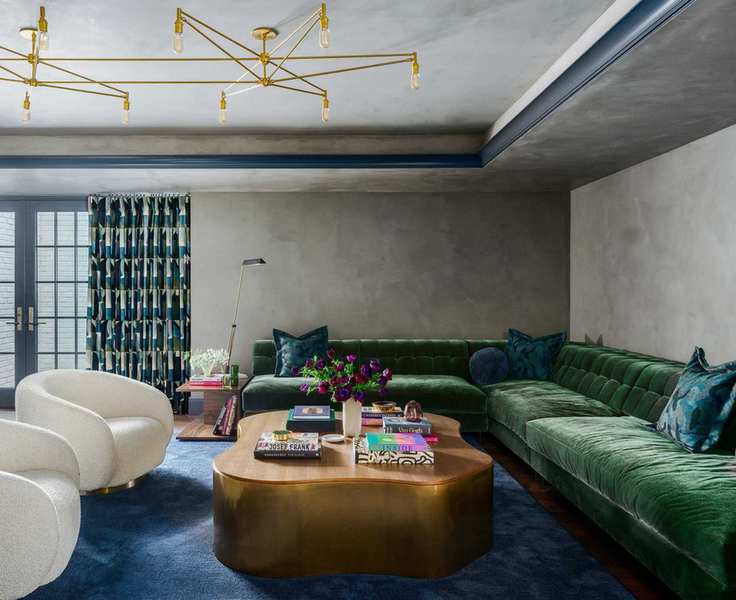
The same principle applies in living areas. A bold ceiling fixture can ground the space, while softer lighting along the edges maintains comfort. This balance ensures a room feels both sophisticated and inviting.
Lighting enhances everything around it. It enriches wood, softens fabrics, and deepens colors. This layer breathes life into a room. If something feels off, I always examine the lighting first. It's rarely about needing more light; it's about utilizing existing fixtures more intentionally. Get the lighting right, and everything else tends to align perfectly.