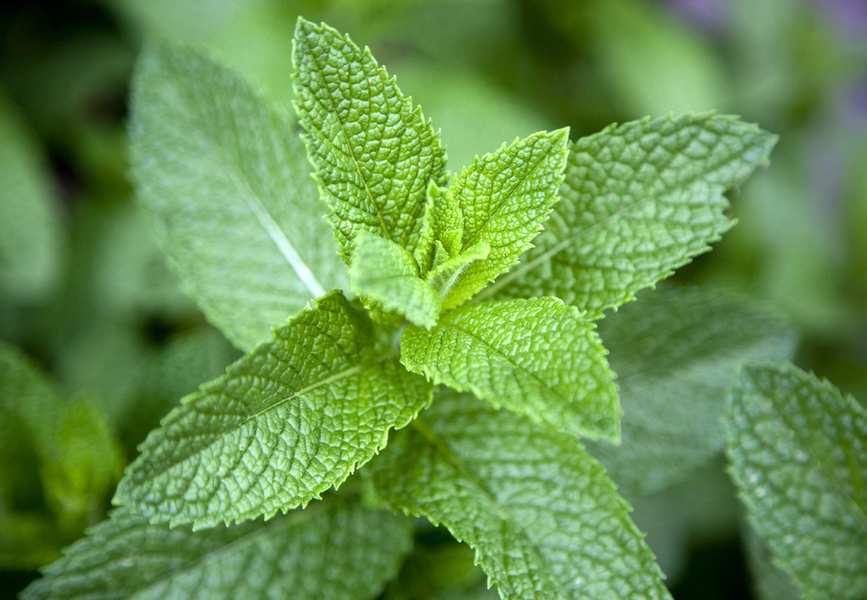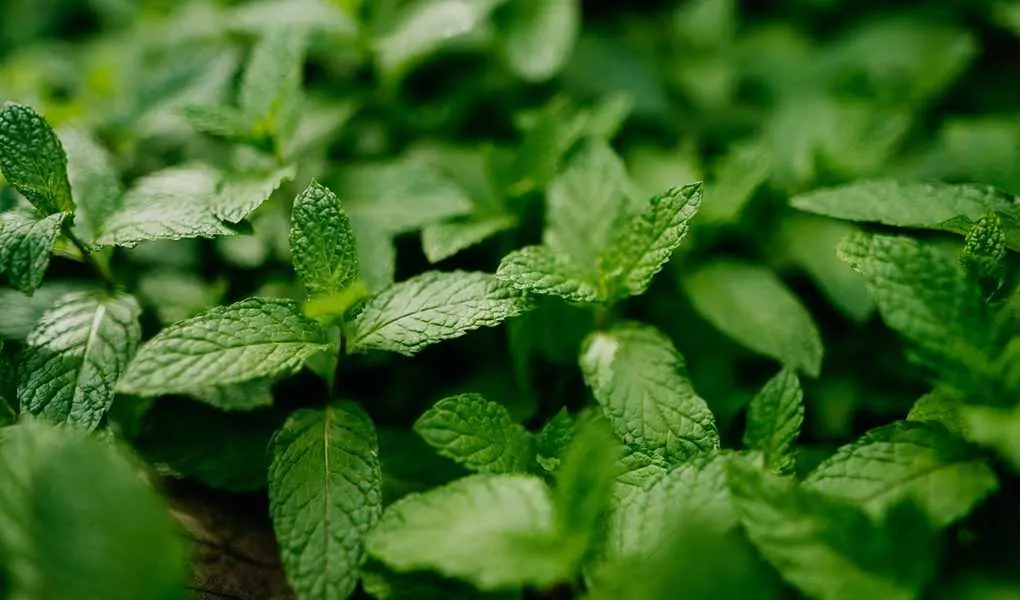
Understanding how to prune mint is crucial for maintaining a healthy and productive herb. Mint is cherished for its delightful aroma and flavor, making it perfect for infusing teas, enhancing both savory and sweet dishes, and even for natural remedies. It's also easy to cultivate and attracts pollinators, adding to its appeal in the garden.
In the sections below, you'll discover the importance of pruning mint, along with the best timing and methods to maximize your plant's potential.
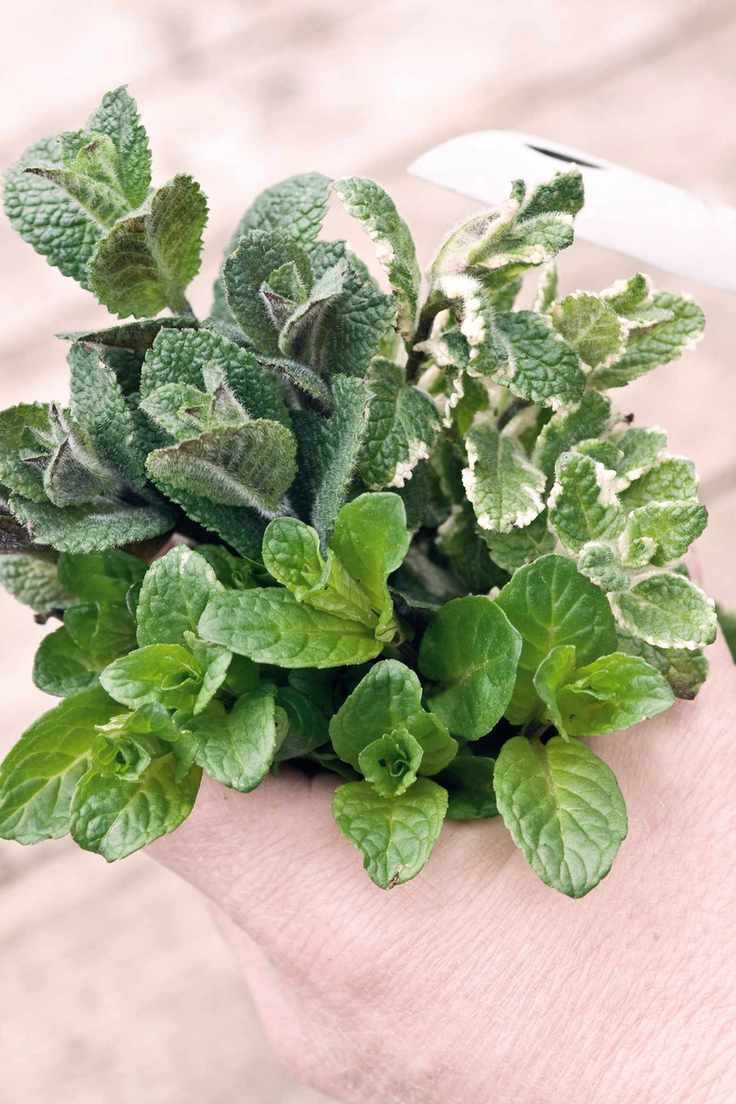
Why is Pruning Mint Necessary?
Pruning mint is essential to prevent flowering and to ensure a steady supply of fresh, tender leaves. For culinary uses, it's best to harvest the younger leaves, as they tend to become tough after the plant flowers.
According to organic gardener Allison Vallin Kostovick, "Younger leaves possess more flavor than older ones. When mint starts to flower, it reduces the production of the flavorful volatile oils and shifts its focus to seed production instead."
Additionally, unpruned mint can become leggy. Regular trimming helps maintain its bushy appearance and keeps the leaves fresh and flavorful.
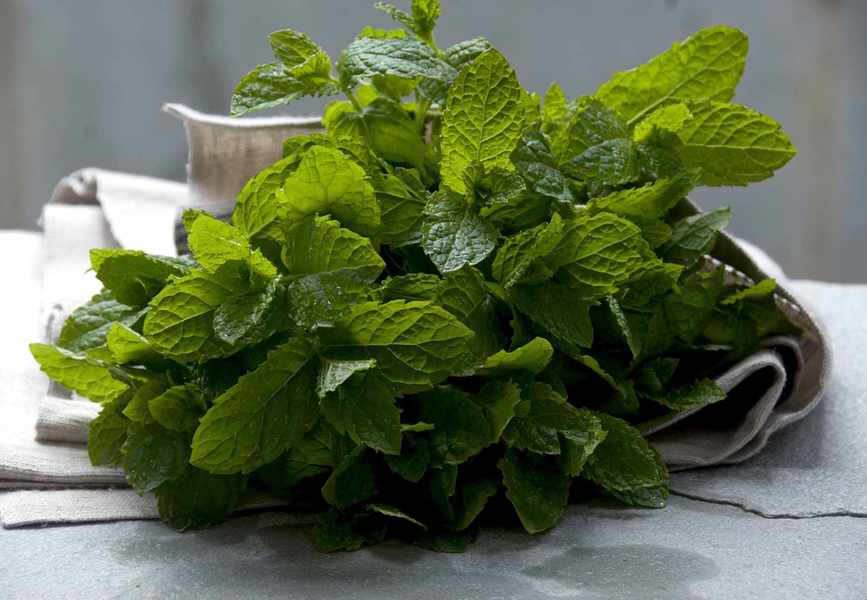
How to Trim Mint for Optimal Growth
Regular pruning encourages new growth and ensures you always have fresh leaves available. Gardening expert Ashley Irene notes, "It's best to prune no more than one-third of the plant at a time to minimize stress. Once established, consider pruning mint weekly to keep it tidy and productive."
She advises to prune just above a leaf node to stimulate new stems. By following this method, you can effectively maintain the health of your mint plant.
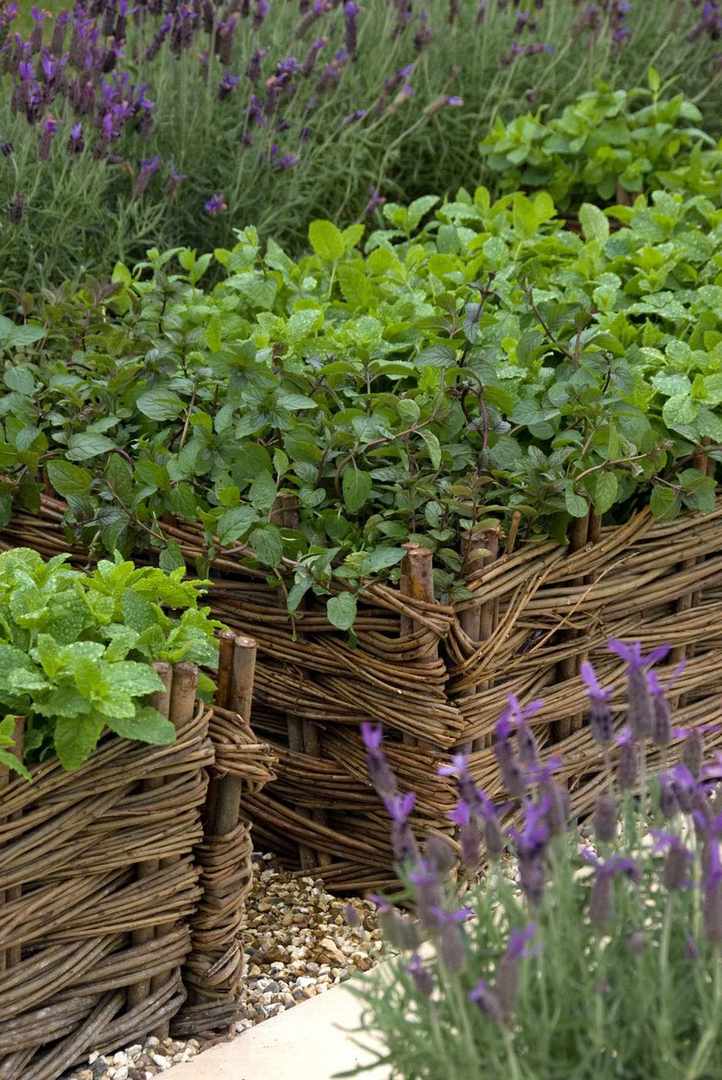
When harvesting aromatic herbs, be gentle to avoid releasing the essential oils prematurely. Stuart Thomas from Primrose adds, "Trim your mint frequently to keep receiving fresh leaves. Try to avoid crushing the leaves during harvest to preserve their juices and oils until they're needed."
Fresh mint leaves can be used immediately or preserved by freezing or drying for later use.
When Should You Cut Back Mint?
During summer, as mint flowers and sets seeds, the plant can become unruly, and the leaves may lose their flavor. At this point, it's advisable to cut it back to the ground to encourage new growth and a fresh batch of leaves.
Since mint has invasive roots that can spread quickly, it's essential to keep an eye on its growth to prevent it from overtaking a garden bed. If you're considering planting mint, it's wise to grow it in a container. Alternatively, if you prefer planting it in garden beds, consider placing the pot into the soil to help control its rapid growth.
Ashley Irene further suggests, "In the garden, the best approach for planting mint is to use its own container. Under optimal conditions, mint varieties can quickly become invasive, dominating both raised and in-ground beds."