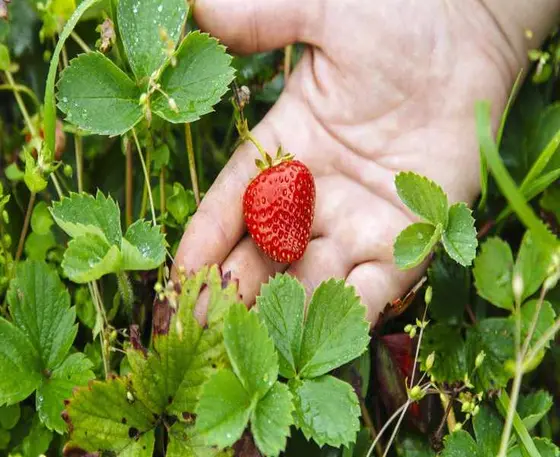
Growing vegetables can be incredibly fulfilling, but it requires commitment. A key aspect of successful gardening is knowing how often to water your plants.
Determining when to water plants, especially when it comes to thirsty vegetables, can be challenging. The frequency of watering varies significantly, from none at all to as much as twice daily. However, monitoring weather patterns, enhancing soil moisture retention, watering deeply, and checking soil moisture levels can help you make informed decisions about your garden's watering needs.
During my time as a professional gardener, I spent many hours watering extensive vegetable gardens, particularly in the summer. It required organization and knowledge of the crops to decide what needed watering and when, especially when irrigation systems weren't available, and hand watering was necessary.
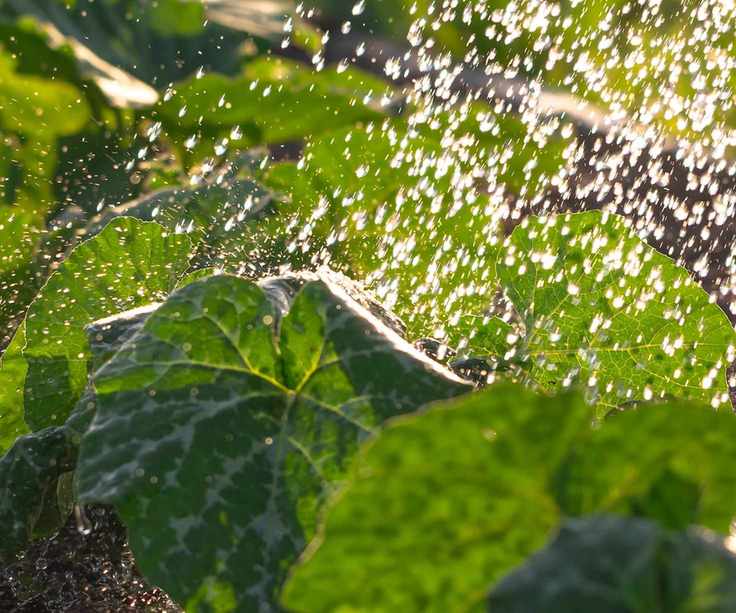
Squash plants require plenty of water as they develop fruit
Frequency of Watering a Vegetable Garden
The timing for watering your vegetable garden primarily depends on weather and soil conditions. Temperature and rainfall significantly influence how often you need to water.
Soil type also plays a crucial role; sandy soils drain quickly and may need more frequent watering. You can improve moisture retention by incorporating organic matter or compost into your soil or adding it on top as a mulch, enhancing the soil's ability to hold moisture for longer.
Generally, most vegetables thrive on about an inch or two of water weekly. During wetter weather, you might not need to water at all, whereas, on scorching midsummer days, daily watering could be necessary. Keeping an eye on the weather forecast and using tools like a rain gauge, such as this outdoor rain gauge available on Amazon, can help you track rainfall and manage your watering effectively.
How you water also impacts the frequency. Deep, infrequent watering is more beneficial for vegetable plants than light, surface-level watering, which can lead to more frequent watering needs. Ensuring plants receive a good soak means you'll water less often, and applying mulch can further help retain soil moisture.
Understanding the specific needs of your vegetables is vital for establishing an effective watering routine. While there are drought-tolerant vegetables, many plants, like beans, beets, tomatoes, and squashes, require significant amounts of water, especially during flowering and fruit development. For instance, crops such as squash, pumpkins, zucchini, and tomatoes thrive on ample water when their fruits are forming, while legumes like peas and beans produce better pods with consistent watering.
Regularly checking moisture levels is essential to gauge how wet the soil is below the surface. This can be done using your fingers or a moisture meter, like this long probe soil moisture meter from Amazon. This helps you avoid overwatering and its associated problems.

Proper timing is crucial for maintaining moisture in the soil
Watering a Raised Vegetable Garden
If you're using raised garden beds, your watering frequency will likely increase. While raised beds have many benefits and are great for small vegetable garden ideas, they tend to dry out faster, especially in warm weather. Water can drain quickly through raised beds, making plants more vulnerable during dry spells. Incorporating compost or organic matter can improve water retention, and applying mulch can help minimize evaporation.
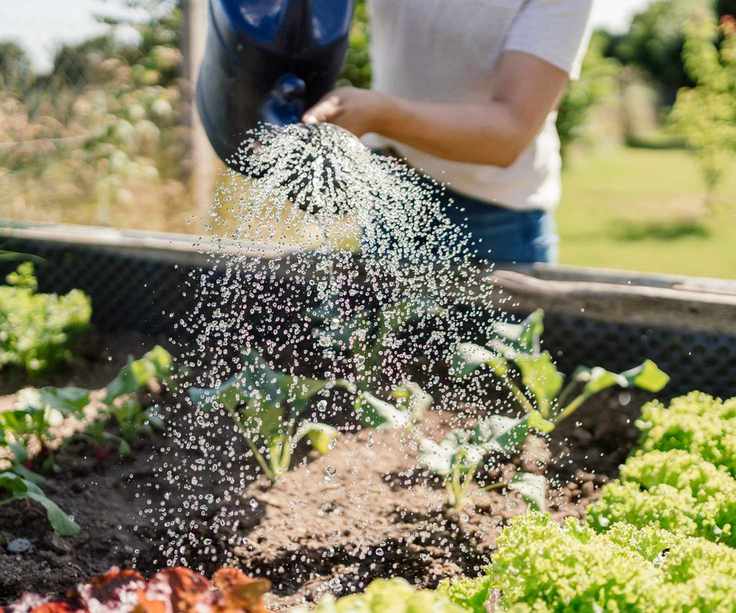
Raised beds dry out faster than ground soil
Watering a Vegetable Container Garden
A twice-weekly inspection might suffice for much of the year, but during summer, you may need to check every few days, if not daily. On extremely hot days, inspect pots at least once or twice a day and water as necessary.
When watering container plants, check moisture a few inches down and water thoroughly until you see excess water draining from the pot's bottom.
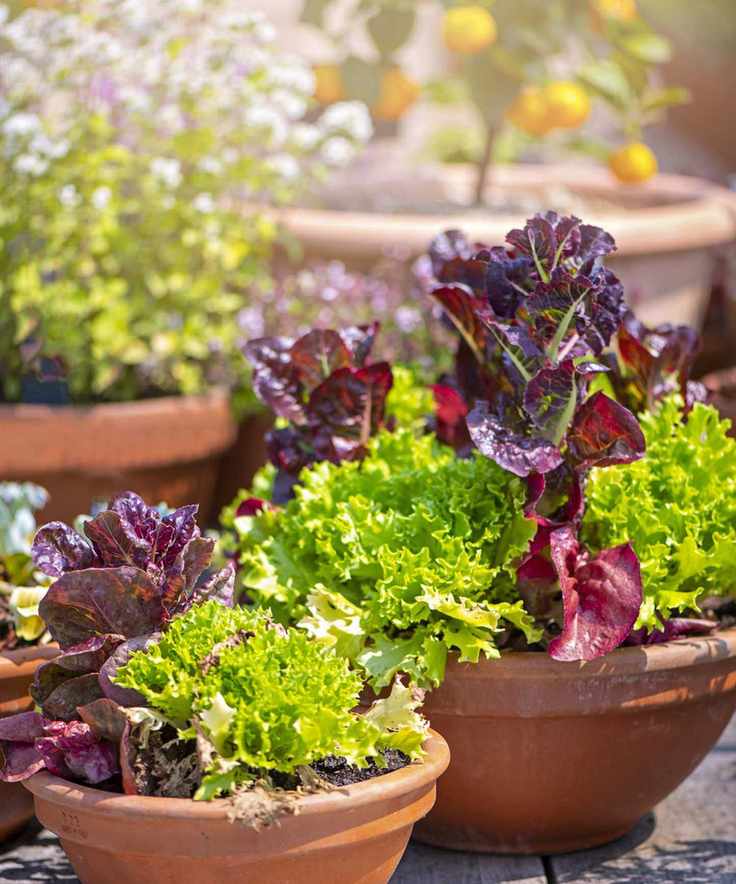
Container crops should be checked daily during hot weather
Watering Newly Planted Vegetables
Newly planted seedlings require more frequent watering than established plants. With developing root systems, they can't access moisture deep in the soil and are susceptible to drying out if the surface becomes too hot.
Freshly planted vegetables and transplanted seedlings should be checked daily and watered as needed. In particularly hot months, this could mean watering once or even twice daily to ensure their survival.
Common Questions
Should I Water My Vegetable Garden Daily?
It depends on several factors: the weather, location, and type of plants. Hot conditions often necessitate daily watering for newly planted vegetables or seedlings, while other crops may also benefit from daily moisture, especially during hotter months.
During summer or sunny days, checking soil moisture daily is wise to determine if watering is needed.
There are also some gardening hacks to help manage watering needs, such as using a garden olla, which can be buried to slowly release moisture to surrounding plants.
When starting a vegetable garden, it's best to begin small. Many new gardeners make the mistake of starting too large, making maintenance like watering feel overwhelming. Consider the time required for daily upkeep.
Starting small allows for enjoyment, builds confidence, and helps you develop essential skills, such as effective watering as you nurture your garden.