
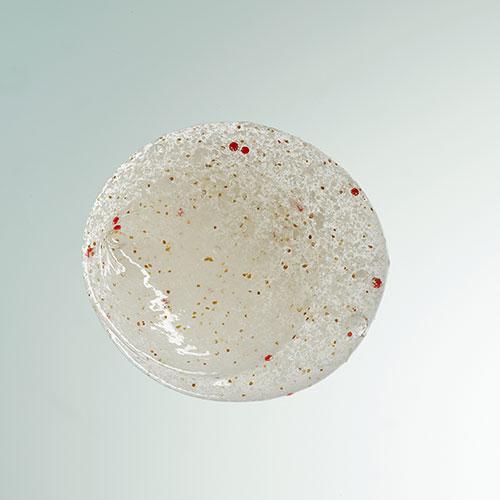
During your nightly skincare ritual, you aim for radiant skin, but did you know that routine might be harming the environment? Many don't realize that microbeads, often found in exfoliating products, contribute to significant pollution.
Even if you recycle plastic containers and ditch disposable wipes, microbeads can still escape into the water supply when rinsed off. These tiny plastic beads are a common ingredient in many skincare products meant to slough off dead skin.
Understanding Microbeads
Microbeads are minuscule plastic spheres, typically used for exfoliation in personal care items. They effectively remove dead skin while being gentle on your healthy skin.
Environmental Consequences of Microbeads
Despite their benefits for your skin, microbeads pose a threat to marine ecosystems. When washed down the drain, they evade filtration systems at wastewater treatment plants and end up in oceans and lakes.
These beads can be mistaken for fish eggs by marine animals. Unfortunately, they don't break down in the digestive systems of these creatures, leading to blockages that can be fatal. Additionally, microbeads attract harmful toxins from the water, further endangering aquatic life.
The impact of microbeads on marine populations disrupts the delicate balance of ocean ecosystems, affecting species diversity and health.
Health Risks of Microbeads
Microbeads not only endanger ocean life but may also pose risks to human health. As fish ingest microbeads, the particles accumulate through the food chain, eventually reaching us.
Microbeads can also be found in table salt, as they inadvertently accompany salt harvested from oceans. While they don't cause blockages in our digestive systems, their ability to absorb toxins raises concerns about potential long-term health effects.
Exfoliation Without Microbeads
Now that we've discussed the risks, let's explore safer exfoliation methods. You can achieve effective exfoliation without using microbeads. There are two primary types: physical and chemical exfoliation.
Physical exfoliation relies on texture to scrub away dead skin, while chemical exfoliation employs acids to dissolve dead skin cells. Both methods offer numerous microbead-free options.
Microbead-Free Physical Exfoliants
If you enjoy the tactile experience of physical exfoliants, consider these eco-friendly alternatives.
Bioelements Measured Micrograins
This brand is recognized for its quality, and their Measured Micrograins exfoliator uses natural jojoba beads for a gentle yet effective scrub.
Babor Sugar Oil Peeling
For a sweet treat, try the Babor Sugar Oil Peeling, which uses sugar crystals as biodegradable exfoliants. The formulation balances the roughness of sugar with nourishing oils to prevent dryness.
Effective Chemical Exfoliants
If you prefer chemical exfoliants, there are plenty of excellent products to choose from.
CosMedix Defy Triple Hydroxy Acid
This product combines three hydroxy acids to effectively clear away dead skin and impurities.
Avene Akerat Smoothing Exfoliating Cream
For a creamier option, Avene's Akerat Smoothing Exfoliating Cream combines urea, salicylic acid, and lactic acid for gentle exfoliation.
Combining Exfoliation Techniques
If you're looking for maximum exfoliation benefits, consider products that blend both physical and chemical methods. DCL offers a unique solution with their Multi-Action Penta Peel, which features five exfoliating acids and uses specialized pads for a physical exfoliation effect.
Achieving Radiant Skin While Protecting the Planet
Awareness of microbeads and their environmental impacts allows you to make informed choices in your skincare routine. With a variety of microbead-free products available, you can enjoy great exfoliation while being kind to our planet.