If you've been following trends in beauty, you know I'm always eager to explore new treatments. From thread lifts to under-eye fillers and even a "liquid facial", I have tried quite a variety. I didn't start on this journey until my 30s, and now at 41, I've spaced these treatments out over the last decade. I also emphasize the role of at-home skincare and beauty devices like microcurrent tools to keep my skin healthy. Dermatologists always stress the importance of prepping your skin before professional treatments, especially with options like lasers or the innovative microneedling with PRP.
Having previously enjoyed microneedling and experienced PRP post-laser treatment, I was curious to try the combination. My favorite dermatologist, Dr. Nancy Samolitis, now offers this service, so I decided to give it a shot. The results are nothing short of transformative for my skin's texture and vibrancy.
Thinking about trying this treatment? I consulted Dr. Samolitis to answer some common questions, helping you make an informed choice. Trust me, it's an investment worth making! Read on to uncover what microneedling with PRP entails, its advantages, and who should consider it.
Dr. Nancy Samolitis is a board-certified dermatologist specializing in cosmetic dermatology and co-founder of Facile Dermatology + Boutique, focusing on advanced anti-aging treatments.
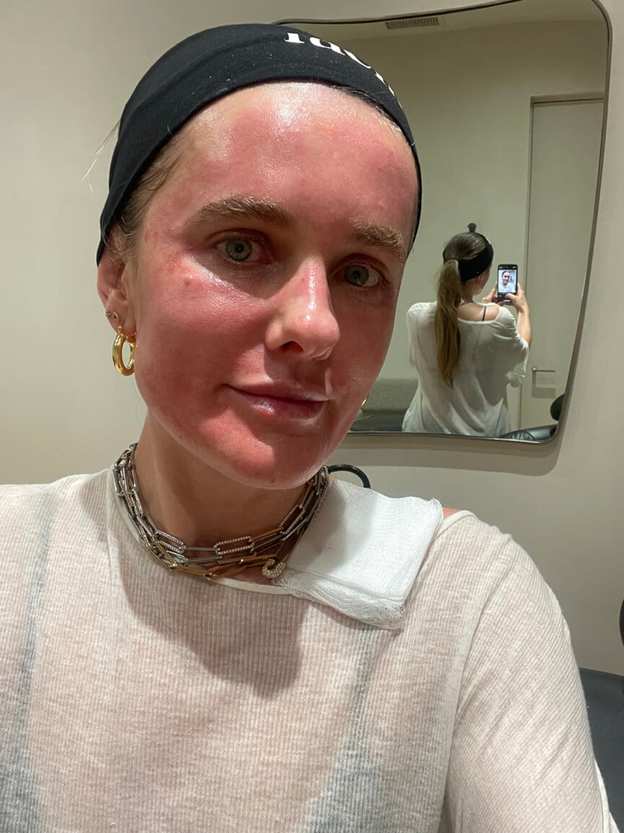
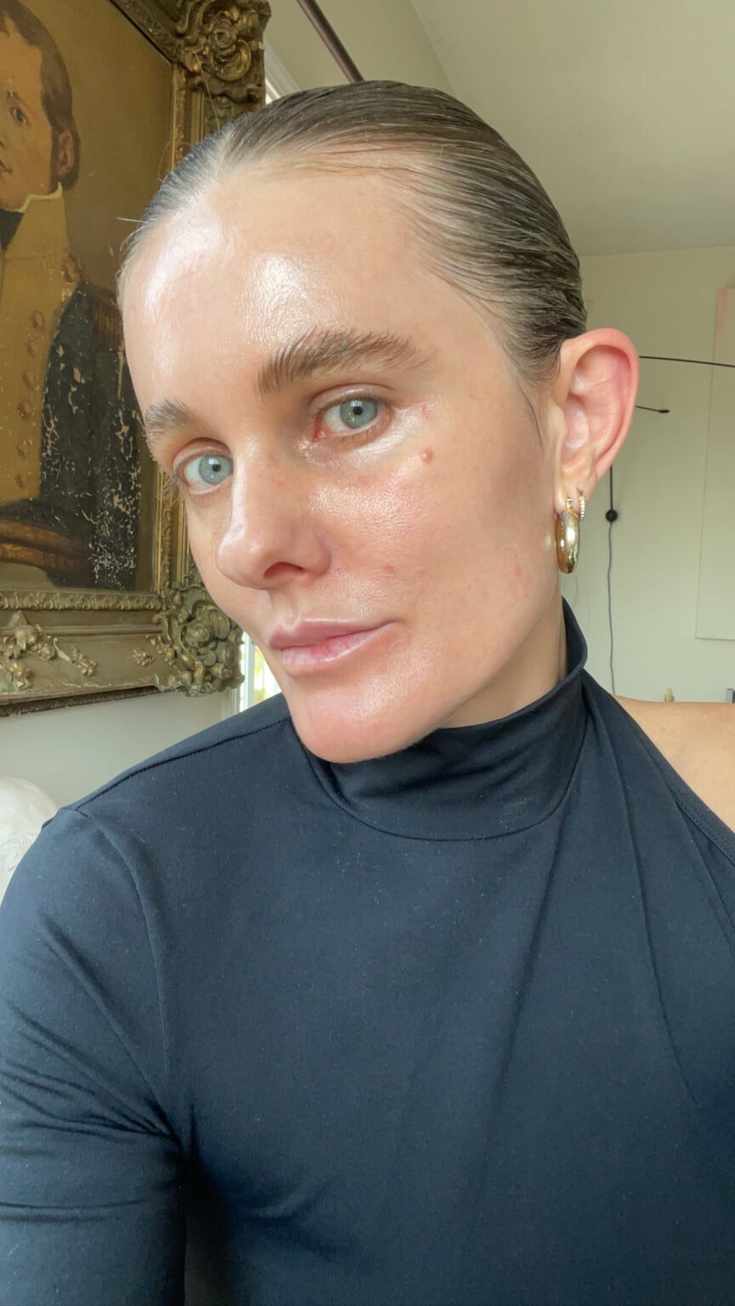
Here's a snapshot of my skin right after the microneedling with PRP, followed by an image taken about 10 days later.
What is Microneedling?
Microneedling involves a device with numerous tiny needles that create micro-injuries in the skin. This technique enhances the absorption of topicals and stimulates collagen production through the body's healing process. Although needling techniques have existed for over a century, the tools and methods have advanced significantly since the rise of commercial microneedling rollers in the 1990s. Today, the FDA has approved only a few devices for medical use, which are small, handheld, and designed for safe vertical penetration into the skin, featuring sterile, disposable needle tips to minimize infection risk.
Benefits of Microneedling
This method effectively prompts the body to repair itself, replacing damaged skin with fresh, healthy cells and boosting collagen growth. It's particularly effective for enhancing skin quality and texture.
Microneedling/PRP for Acne and Scarring
Microneedling has emerged as the go-to solution for acne scars. It's effective, relatively painless, and suits all skin types. In contrast, laser treatments can be more painful and require longer recovery times. Many patients prefer microneedling since optimal results typically require multiple sessions.
Effectiveness for Hyperpigmentation and Melasma
Microneedling can help with hyperpigmentation and melasma, but it's most effective when combined with topical treatments. While it doesn't directly improve pigmentation, it helps deliver brightening agents like tranexamic acid deeper into the skin. Unlike lasers, microneedling is less likely to worsen pigmentation issues.
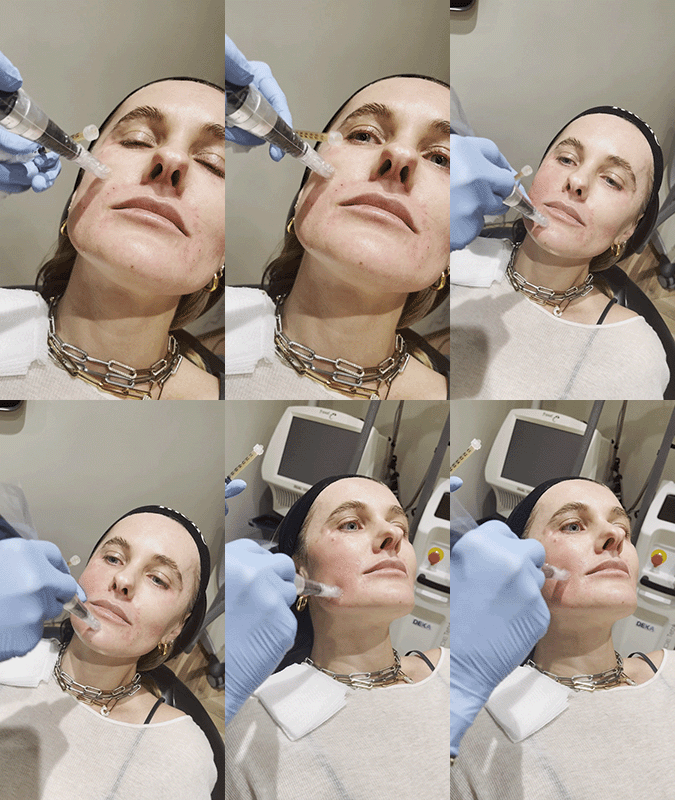
Microneedling and Hair Growth
While microneedling isn't primarily used for hair growth, it can enhance the effectiveness of topical hair growth products like minoxidil. However, for scalp treatment, PRP injections are generally preferred due to their proven efficacy.
Suitable Skin Types and Concerns
Microneedling is safe for nearly everyone, whether you're dealing with acne scars or wrinkles. It can be adjusted for varying skin sensitivities, making it a versatile treatment option.
Who Should Avoid It?
Those with active acne or other skin conditions in the treatment area should wait until their issues are under control. Severe hyperpigmentation may also disqualify someone from this treatment due to the risk of exacerbating the condition.
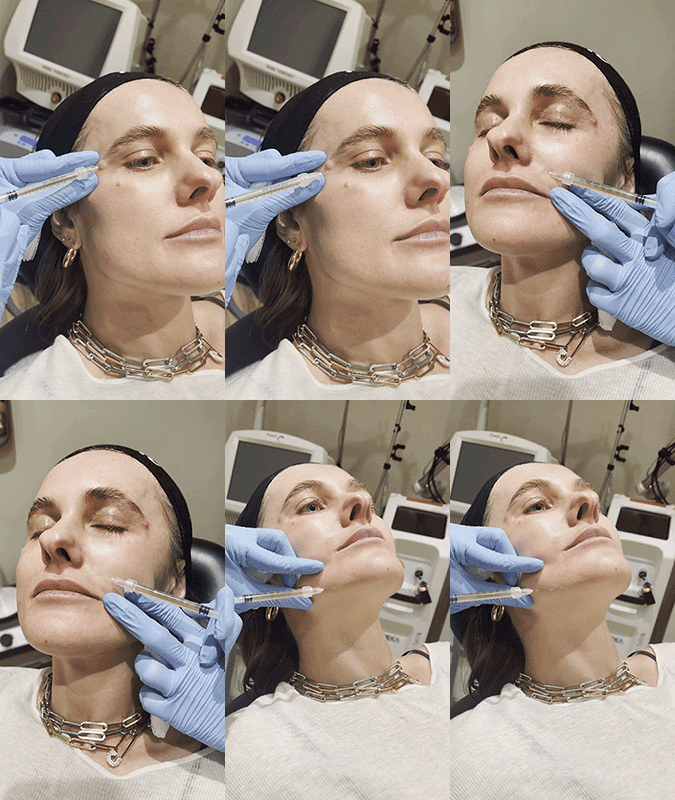
Understanding PRP
Platelet-rich plasma (PRP) is derived from your blood. A blood sample is taken and spun in a centrifuge to isolate the PRP, which is then injected into the skin. The platelets activated during healing release growth factors, promoting tissue regeneration, collagen formation, and addressing hair loss.
Why Pair PRP with Microneedling?
Combining PRP with microneedling enhances the effectiveness of both treatments. The microneedling creates micro-injuries, allowing the PRP to penetrate deeper and stimulate healing and collagen production.
Topical vs. Injection of PRP
Injecting PRP allows for a more focused application, especially for deeper scars. This technique, known as subcision, can significantly improve the appearance of acne scars when combined with PRP injections.
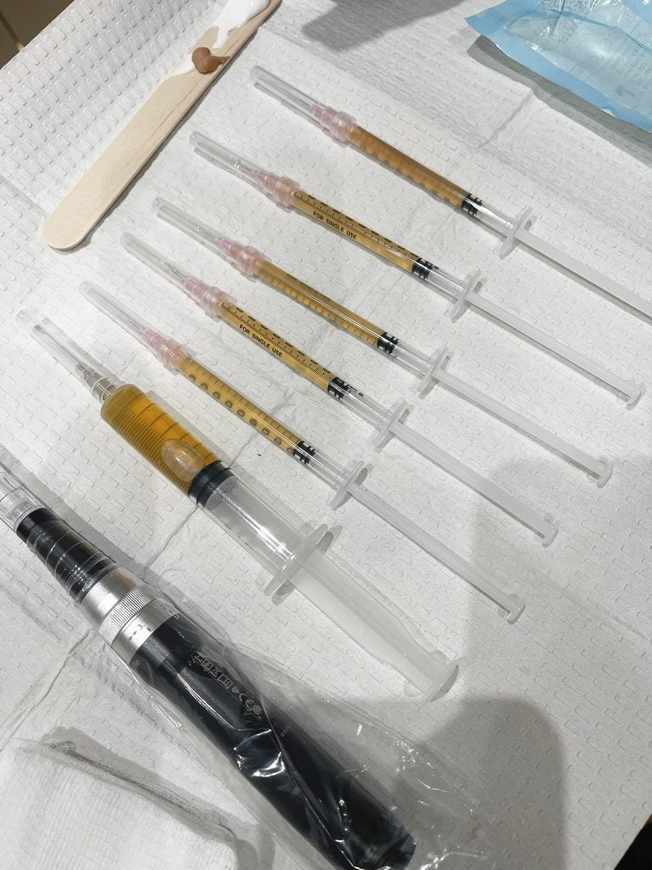
Microneedling/PRP Treatment Process
- Patient arrives, and a numbing cream is applied. Blood is drawn to prepare the PRP.
- The area is sanitized, and PRP is injected where increased collagen production is desired.
- Microneedling is performed over the entire treatment area, often including the face, neck, and chest, with PRP applied topically.
- A healing cream is applied, and aftercare instructions are provided.
- Post-treatment care includes gentle cleansers and moisturizers without active ingredients, plus mineral sunscreen for at least three days.
Preparing for Microneedling/PRP
No specific prep is necessary unless addressing hyperpigmentation, which may require a brightening regimen before and after treatment.
Downtime Expectations
Most individuals experience redness and sensitivity akin to a sunburn for a few days, with potential mild peeling. Redness can persist for up to four days, especially in delicate areas.
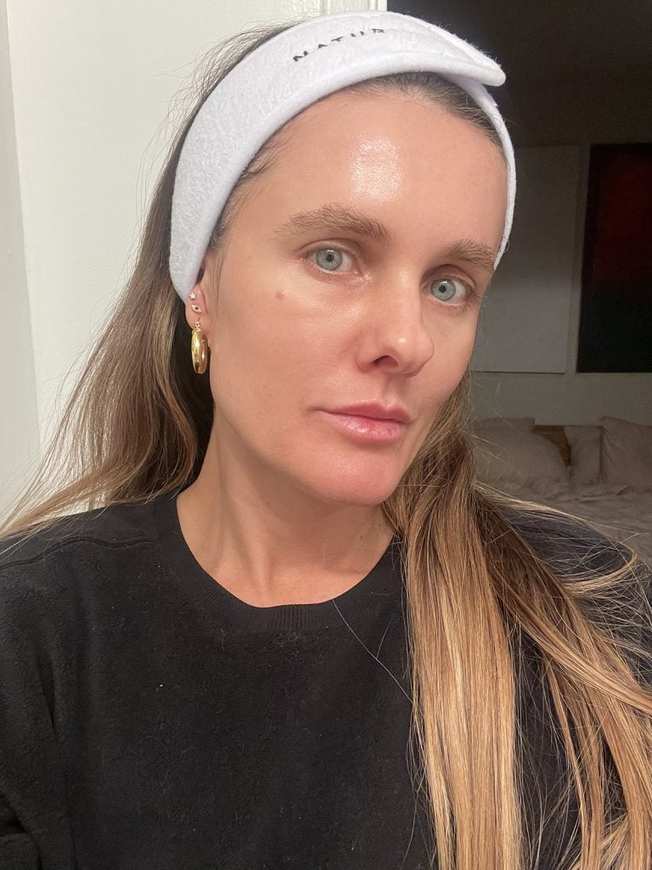
Post-Treatment Skin Care
Use only gentle skincare products post-treatment. We recommend the Facile Core Four products or a barrier cream like La Roche Posay Cicaplast.
When to Expect Results
Most see improvements in skin texture within two weeks, with optimal results taking up to six months and requiring multiple sessions.
Recommended Treatment Frequency
At least four sessions are recommended, with more for severe scarring or wrinkles. Quarterly treatments are ideal for ongoing skin maintenance.
Cost of Treatment
Pricing varies by location. Our facility charges $475 for microneedling alone and $1500 for the microneedling plus PRP combination. Package discounts are available for multiple sessions.
In-Office vs. At-Home Microneedling
At-home devices often have dull needles after one use, which can lead to discomfort and increased infection risk. There's no FDA approval for these at-home tools, and using unapproved serums can lead to allergic reactions. Medical literature has documented such cases.
30 Simple Delights to Add to Your June Calendar