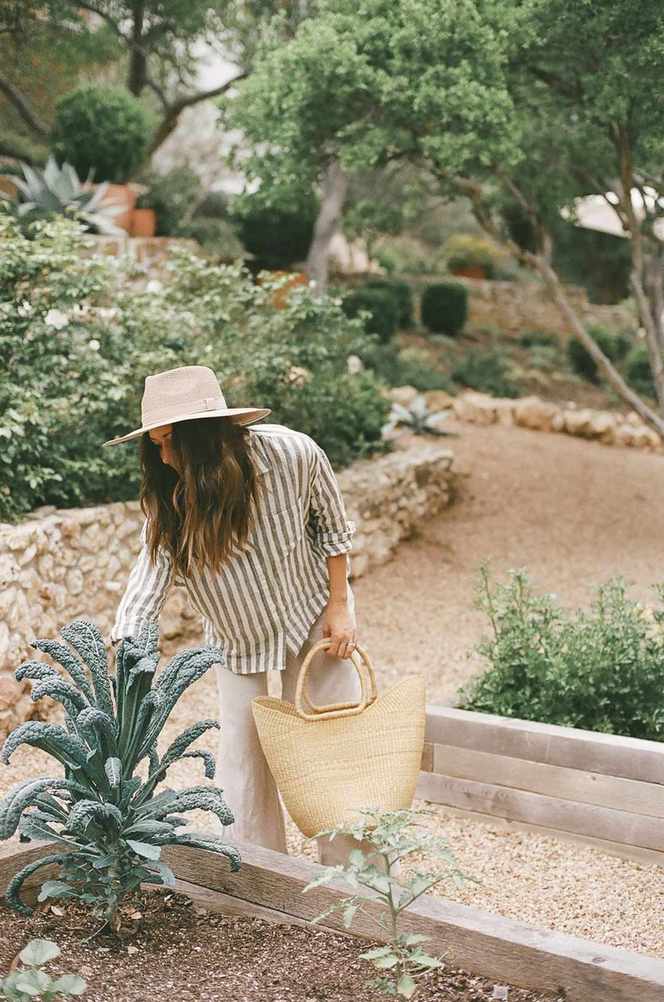
Have you ever looked out at your backyard and envisioned it as a peaceful retreat? You're not alone. Many of us desire spaces that nourish us in every sense. Gardening can seem daunting, but holistic gardening—a philosophy that intertwines wellness with sustenance—can help you create a haven for food, healing, and community. Whether you have a large yard or a compact balcony, holistic gardening adapts to your needs, turning any space into a vibrant oasis.
We spoke with a talented chef and author whose sustainable lifestyle reflects a thoughtful approach to living. Her insights and beginner-friendly tips will inspire you to cultivate your own personal paradise.
Choose Plants You Love to Eat
Starting with your favorite foods is a smart approach. “I suggest beginning with herbs,” she shares. “Mint, cilantro, parsley, and basil grow well even in small spaces and enhance any dish with their delightful aroma.”
She also recommends trying nutrient-rich microgreens, sprouting peas on trellises, and growing strawberries, which are particularly beginner-friendly. “They thrive in hanging baskets, and growing them yourself helps you avoid the pesticides often found in store-bought ones.” Incorporating edible plants into your flower beds can create biodiversity. “Vegetables, herbs, and flowers all contribute to a healthy garden. They attract pollinators and enrich the soil. In our urban farm, we plant them together, which is why our garden flourishes throughout the year.”
A Garden That Enhances Wellbeing
Holistic gardening provides more than just practical benefits, like fresh herbs for your meals; it offers a chance to slow down, disconnect, and reconnect with the earth. “In our fast-paced, tech-driven world, gardening allows us to unplug,” she explains. “Nature reflects who we are, and aligning with its rhythm is vital for our inner peace.”
Some plants can enhance that tranquil atmosphere: lavender, chamomile, and rosemary are known for their calming effects. Surrounding yourself with these herbs and flowers can transform your garden into a peaceful retreat.
And don't underestimate the simple act of touching soil; it can elevate your mood and boost immunity through beneficial microbes that act as natural antidepressants. Attracting butterflies and hummingbirds with specific flowers can make your garden feel like a vibrant ecosystem. Consider adding a gentle water feature or wind chimes for soothing sounds.
Creating a Multi-Sensory Experience
- Sight: Colorful blossoms, winding vines, and fluttering butterflies.
- Smell: Aromatic herbs and flowers that fill the air.
- Sound: The whisper of grasses, the trickle of water, or the gentle ringing of wind chimes.
- Touch: Varied leaf textures, rugged bark, and cool soil beneath your fingers.
“I enjoy having various seating areas in the garden,” she notes. “Near the chicken coop, overlooking the beds, or by the fire—each spot offers a unique view. I change seats every day.” This simple practice fosters both internal reflection and connection with the surroundings.
Holistic gardening is not just about practical aspects, like gathering fresh herbs; it’s a meaningful way to slow down, disconnect, and reconnect with nature.
Sustaining the Earth While Caring for Yourself
At its essence, holistic gardening is about regeneration—nourishing the soil to nourish yourself. This means moving towards organic methods and away from pesticides and synthetic fertilizers. Composting is vital, even in small ways. “Landfill waste significantly contributes to greenhouse gas emissions,” she emphasizes. “Using compost is carbon negative; it enriches our soil and future.”
Companion planting supports soil health, increases your garden's success without chemicals, and fosters natural biodiversity, attracting pollinators and enabling plants to thrive. Most importantly, she urges beginners to just start. “Grow something, anything,” she encourages. “Whether it's herbs on a windowsill or a full-on urban farm, every bit of green is valuable.”
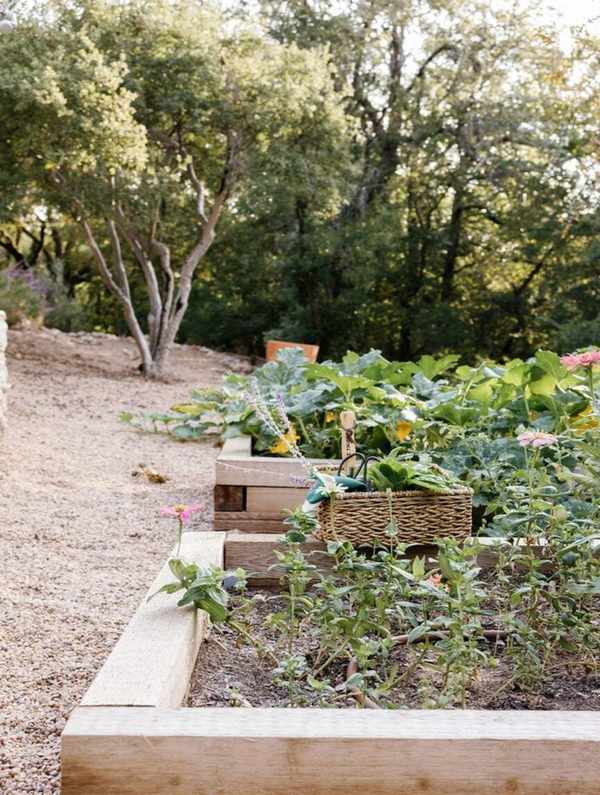
A Place to Connect and Reflect
Gardens surpass mere collections of plants; they can become sacred spaces for reflection and connection with ourselves and others. She suggests creating a designated nook for relaxation—somewhere to sip coffee, journal, or simply bask in the sun. For shared experiences, consider setting up an outdoor dining space. Picture a picnic table adorned with string lights and a platter of fresh veggies. “Sharing food you’ve grown with loved ones is special; it brings everyone closer to nature,” she says.
Favorite Zero-Waste Ingredients and Recipes
As a chef and author, she brings her gardening philosophy into the kitchen. One ingredient she loves? “Tokyo turnips. People often toss the greens, but they're the best part—like kale chips but even tastier.”
If you're new to sustainable cooking, try her cantaloupe cucumber soup, developed from leftover bits while creating her cookbook. “It celebrates the entire plant and shows that beauty can arise from what others discard.”
More Than Just Gardening—A Holistic Lifestyle
Embracing holistic gardening reconnects us with our food, our environment, and ourselves. It’s not about how large your garden is or its visual perfection; it’s about intention. Plant what you cherish. Enjoy moments of silence. Compost your scraps. Invite friends over. Most importantly, let your garden nurture you—physically, mentally, and spiritually.