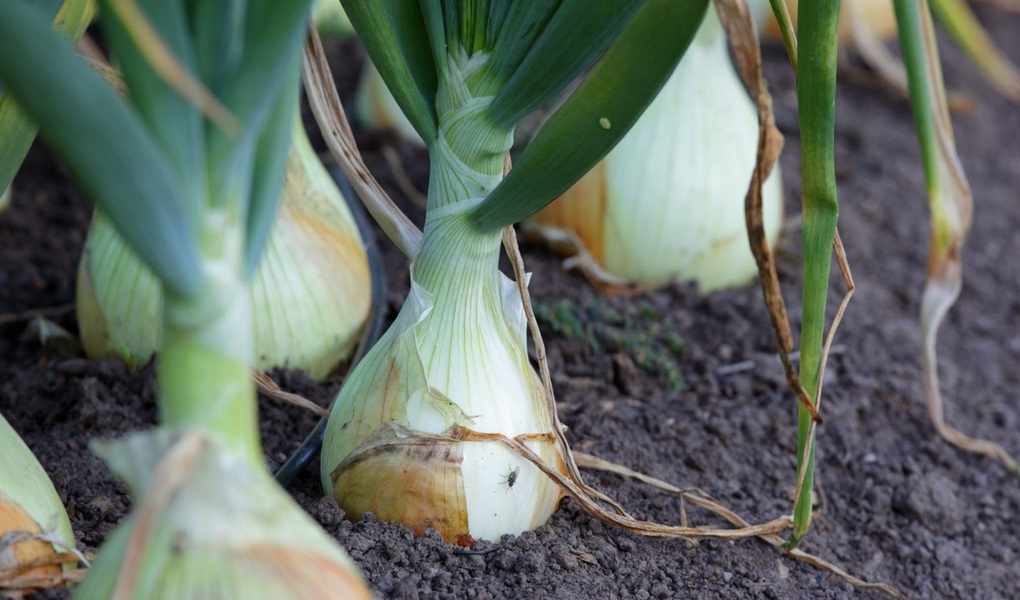
If you're looking to cultivate onions, you face a choice: onion seeds or onion sets? Understanding the distinctions between these options is crucial. Each has its own benefits and drawbacks, which can influence your gardening style, budget, and desired onion yield.
Even seasoned gardeners might find it worthwhile to experiment with new approaches. Whether driven by curiosity or the ambition to grow larger onions, there are innovative methods to explore.
Having cultivated various onion types for years, I've experienced different growing scenarios. My endeavors have included tending to them on an allotment for personal use and nurturing them in a productive garden for restaurant chefs. Both onion seeds and sets have their unique pros and cons.
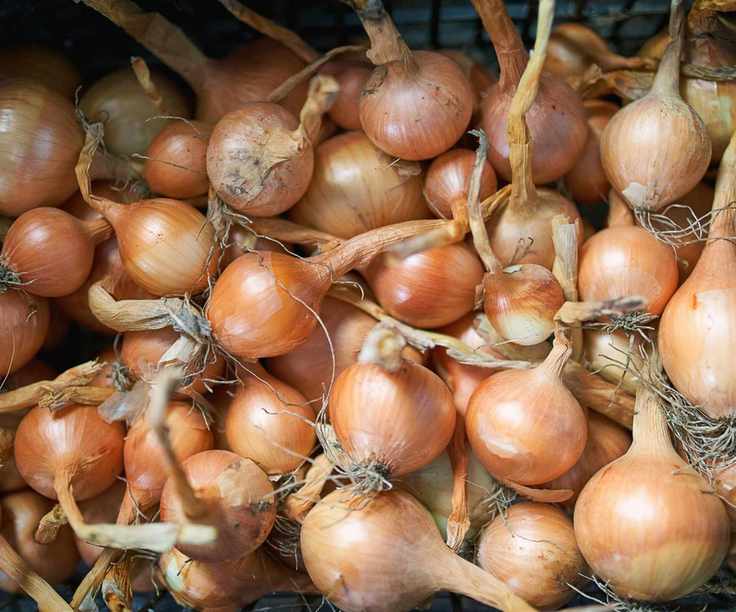
Onions are a staple in vegetable gardens
Onion Seeds vs. Onion Sets: Key Insights
Both methods for growing onions are well-established and have proven effective for many gardeners over the years. It's essential to grasp the nuances of each technique, including their implementation and the advantages and disadvantages they present for your garden.
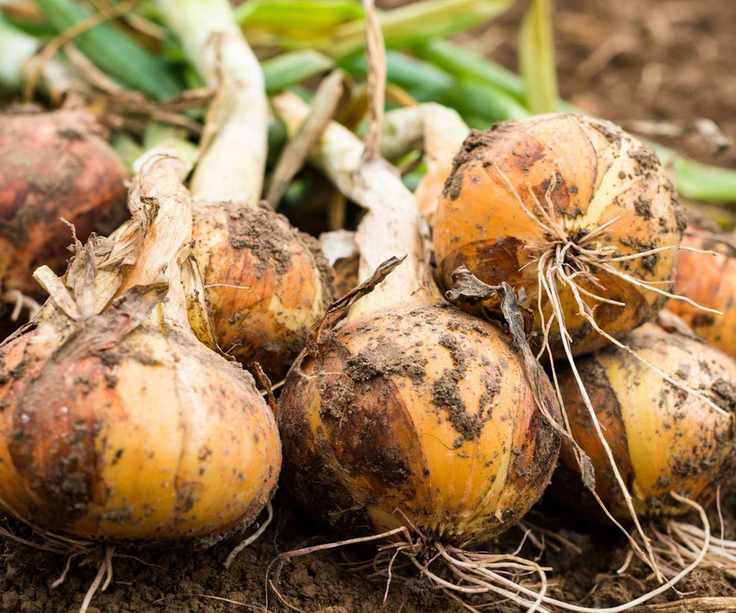
Onions typically take about five months to mature outdoors
Benefits of Growing Onion Seeds
Onion seeds can be planted early in the year or even late in the previous year. Many gardeners traditionally sow seeds right after Christmas, allowing seedlings to be transplanted in spring as the soil warms. This often requires a heated greenhouse.
You can also start onion seeds indoors during late winter, using trays or modules at temperatures between 50-61˚F, and then transplant them in mid-to-late spring after hardening off. Alternatively, you can sow them directly outdoors in well-prepared soil in spring.
Advantages of Seed-Grown Onions:
- A broad selection of cultivars is available.
- Seed-grown onions are less likely to bolt.
- Seeds are generally more affordable than sets, making them budget-friendly.
- Flexible sowing times are possible.
- Growing from seed often results in larger onions.
Disadvantages of Seed-Grown Onions:
- Requires more labor compared to sets.
- Involves careful sowing, watering, and transplanting.
- Materials needed include compost, pots, and a heated area or propagator.
- Onions grown from seed may be more susceptible to diseases.
Experts suggest sowing larger varieties in individual cells, ensuring just one seedling per cell. While onions can be sown in cooler conditions, maintaining around 50˚F can enhance growth speed.
Shop for onion seeds for your garden: find them on Amazon
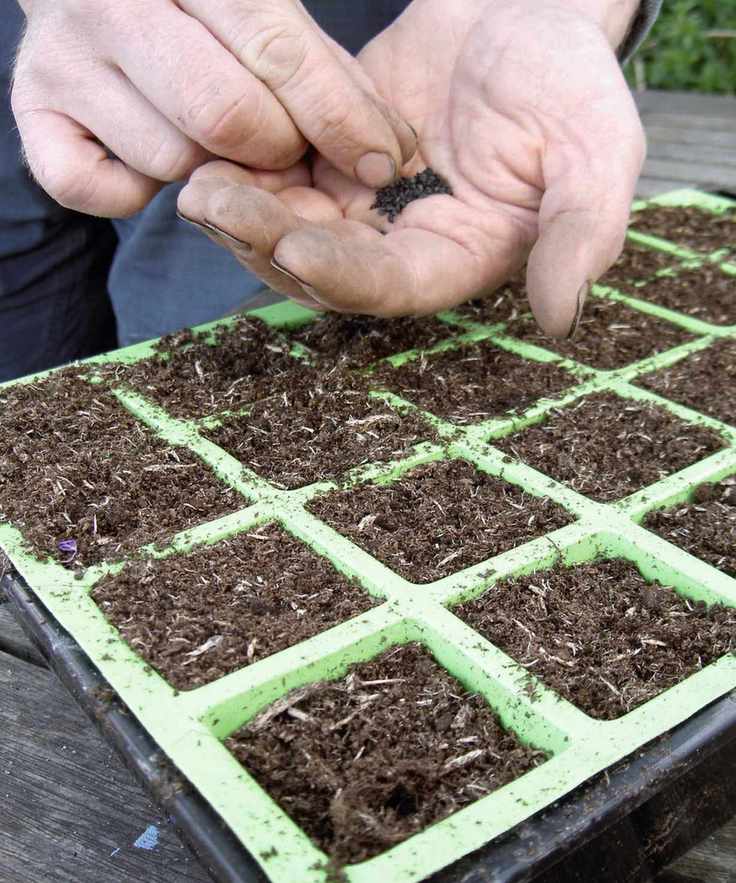
Onion seeds should be started indoors during winter in trays or modules
The Ease of Planting Onion Sets
Onion sets are partially grown onions that have been developed from seeds and then dried off for winter storage. They can typically be planted in early spring, with some varieties also suitable for fall planting. To plant onion sets, simply push them into the soil about 4 inches apart, ensuring their tips are just visible above the surface.
Experts highlight the main advantage of onion sets as their simplicity. It's challenging to fail with them; just plant in early to mid-spring, and they grow with minimal effort. You can bypass the tricky germination phase, requiring only watering and weeding to enjoy a summer harvest.
However, note that onions from sets may result in slightly smaller bulbs compared to those from seeds, but many find this trade-off worthwhile for the ease of growing.
Advantages of Growing Onion Sets:
- Simple to cultivate; just push into the soil.
- Less susceptible to diseases.
- Capable of producing good yields in less than ideal soil.
- Ready for harvest earlier, accommodating shorter growing seasons.
Disadvantages of Growing Onion Sets:
- Limited variety available.
- Generally pricier than seeds.
- Higher susceptibility to bolting.
- Specific planting deadlines to consider.
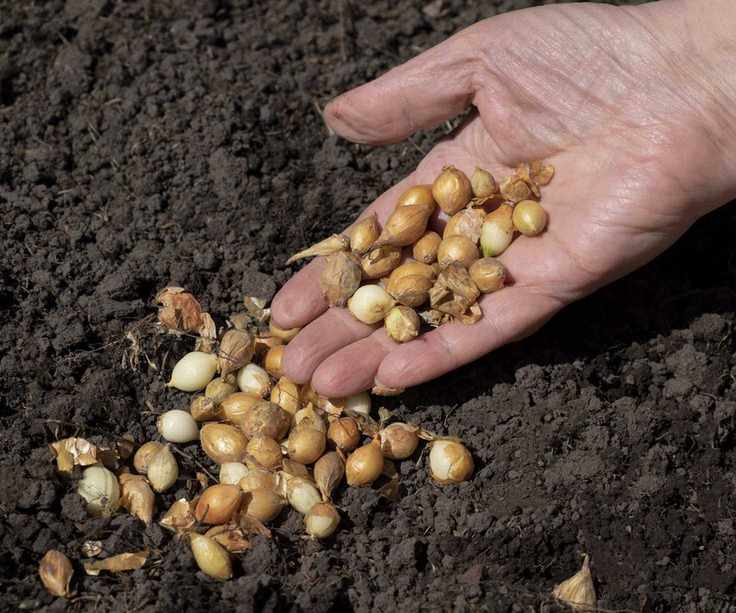
Onion sets are quick and easy to plant
Onion sets can also be initiated indoors, and starting them in small pots can ease the transplanting process, making it simpler than moving seedlings grown from seed. Sets are planted later in spring compared to seeds, providing a reliable backup for any unsuccessful sowings. In one instance, after my onion seeds struggled to germinate, I successfully planted onion sets to ensure a sufficient harvest.
Shop for onion sets for your garden: find them at Nature Hills
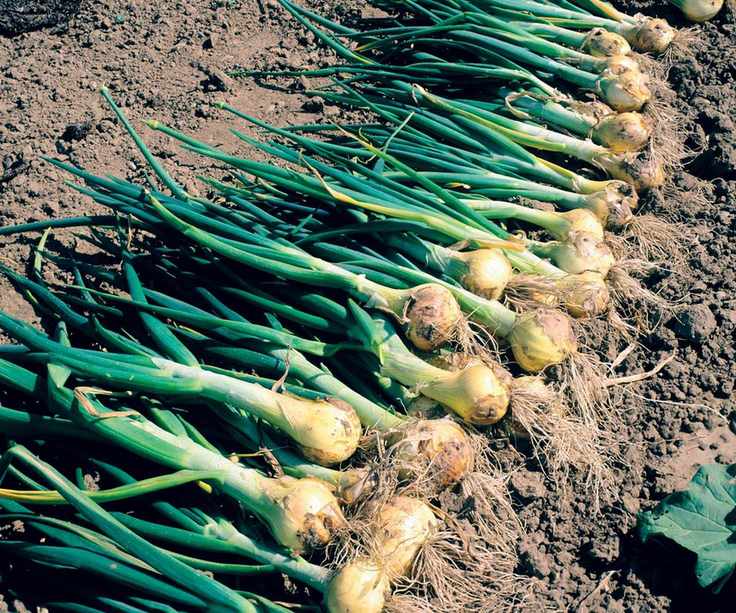
Growing methods can influence onion yield
Choosing Between Onion Seeds and Sets for Your Garden
Gardening expert Peter Seabrook succinctly advised: 'Know your onions! Seeds are cheaper, but sets are much simpler.'
This wisdom rings true. Both growing methods have distinct pros and cons, and the choice ultimately hinges on your personal circumstances and goals.
Sets offer an easier route, especially for those without the time or space to start seeds indoors early in the season. Personally, I favor seeds as I have the luxury of heated indoor space, and for my larger-scale needs, it's more cost-effective. I typically grow over 500 onions annually, far exceeding the average home gardener.
I noticed that the seed-grown onions were larger and had fewer bolting issues compared to sets. Plus, there's immense satisfaction in nurturing plants from seed to harvest.
Even if you're inclined to use sets, I encourage you to try growing some onions from seed. Yet, for sheer simplicity and consistent results, it's easy to see why many gardeners prefer onion sets, especially in smaller spaces.