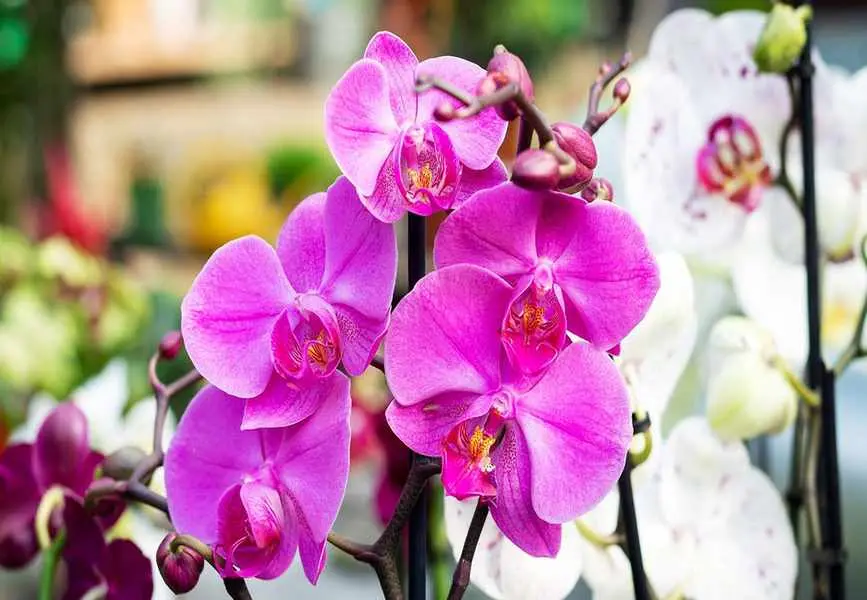
Seeing your orchid flowers drop can indicate potential problems with your plant.
Orchids naturally shed their blooms after their flowering phase, entering a period of dormancy. If your orchid appears healthy and completed a typical bloom cycle, you likely have no reason for concern.
On the other hand, flower loss can also indicate stress, often the first hint that the orchid may struggle in its surroundings.
Caring for orchids can be tricky if you're new to plant care. Unlike most houseplants, orchids have specific needs. Once you learn to meet these requirements, your orchids will thrive and bloom beautifully once more.
6 Causes for Orchid Flower Drop
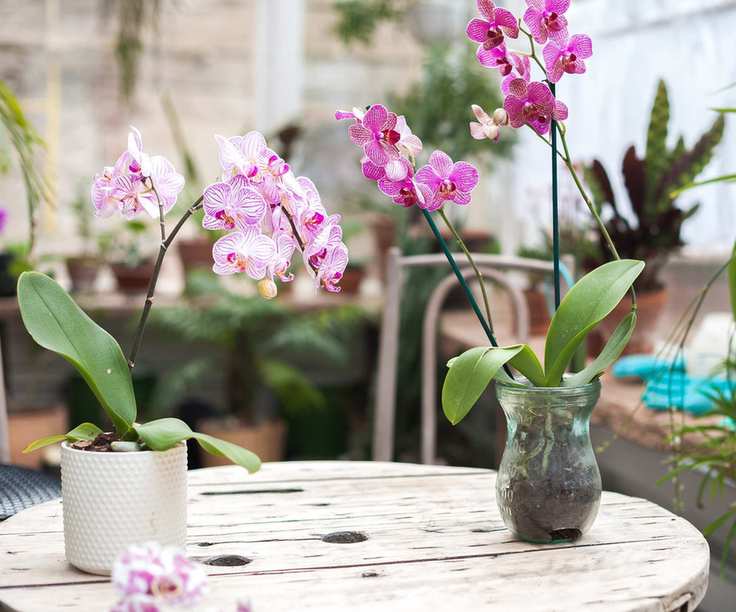
Proper care influences how long orchids can bloom. Below are the primary reasons for flower drop, along with solutions.
1. Improper Watering
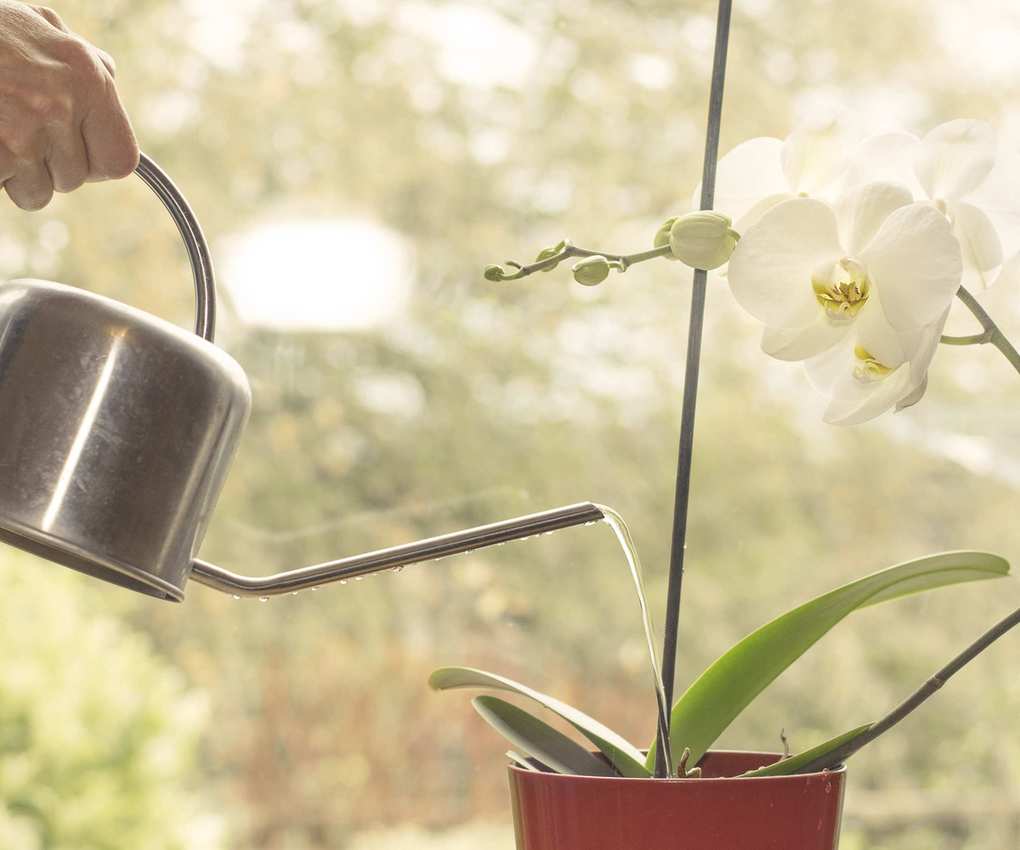
Orchids differ from many houseplants; in their natural habitat, they cling to trees or rocks, absorbing moisture from rainfall. Watering orchids correctly means avoiding over-watering, which can stress the flowers and lead to drop.
According to plant expert Chad Massura, 'orchids thrive on a thorough soak once a week during blooming,' but it's crucial not to overdo it.
Watering should be quick and thorough, allowing the potting mix to drain rather than small amounts daily. Following these tips can help your orchid bloom again.
2. Unsuitable Potting Mix
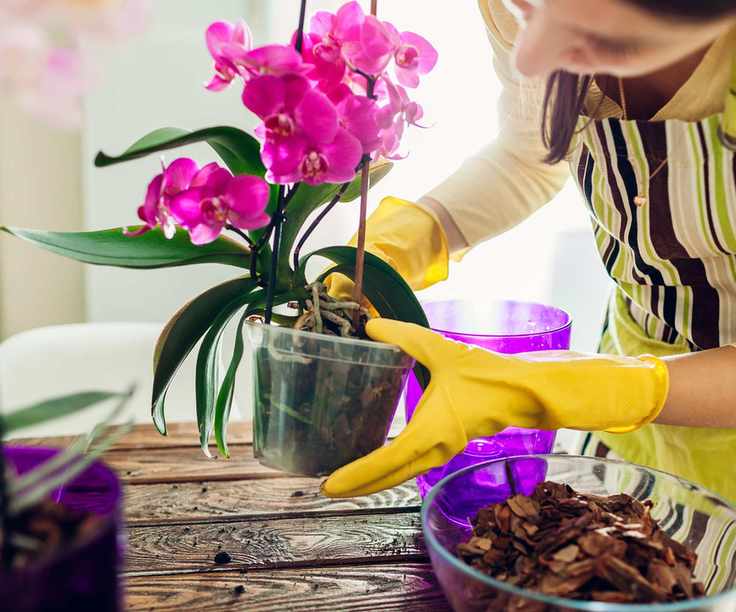
Using the wrong potting mix can cause orchids to wilt and drop flowers.
Chad Massura points out that 'a mix retaining too much moisture can result in root rot, leading to flower loss.'
Look for a potting mix that retains moisture without being heavy. 'Mixes containing biochar offer a light texture with excellent water retention,' he adds.
When in doubt, opt for specialized orchid potting mixes available in stores.
Shop Orchid Potting Mix
Fertilome Orchid Potting Mix
Contains peat chunks, red fir bark, hardwood, charcoal, and volcanic lava rock.
Organic Orchid Potting Mix
Made with charcoal, sponge rock/perlite, orchid pine bark mix, and coconut husk coir chips for moisture retention and aeration.
Harris Orchid Potting Mix
A blend of heat-treated Douglas fir bark, peat moss, pumice, and perlite.
3. Temperature Changes
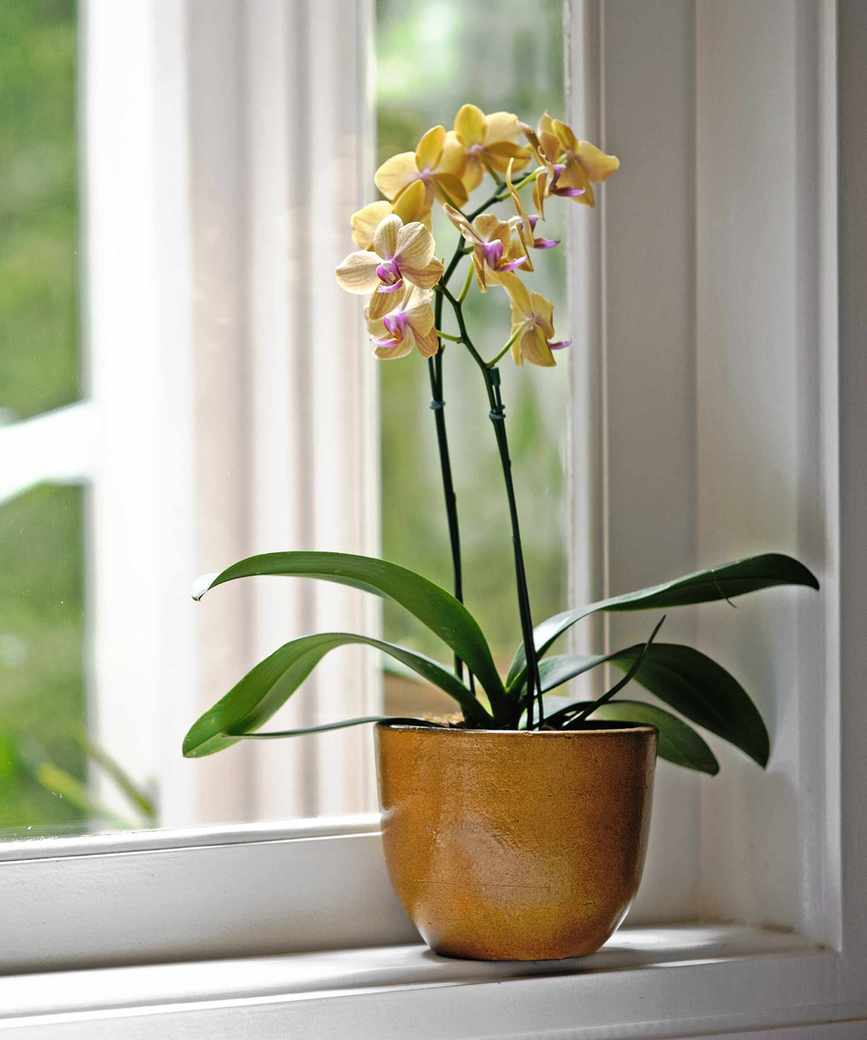
Orchids are sensitive to drafts and significant temperature shifts, which may lead to flower drop.
Keep orchids in a location where daytime temperatures stay above 75˚F and nighttime temperatures don't drop below 65˚F. Avoid placing them near frequently opened windows.
4. Insufficient Light
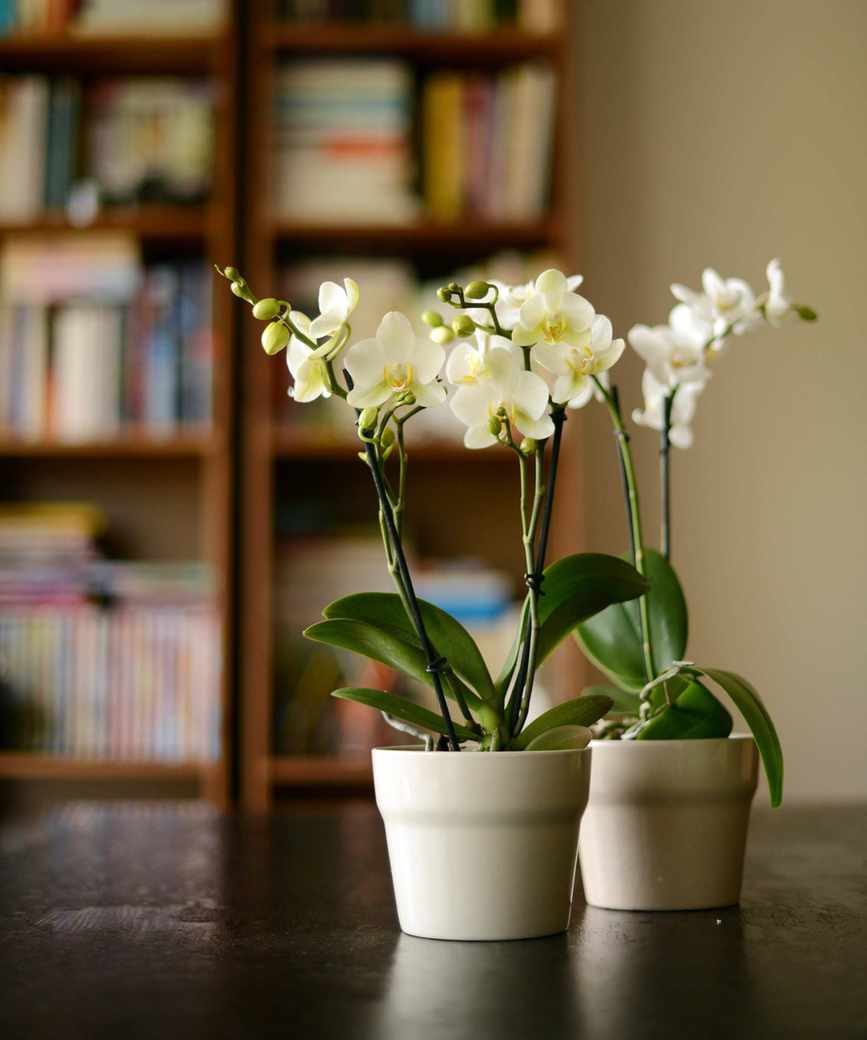
Like other flowering plants, orchids require ample bright light to thrive. They don't fare well in low-light areas. If your orchid is too far from a window, move it to a brighter spot, ideally a windowsill.
However, ensure it's shielded from direct sunlight, as that can cause additional stress. Aim for bright, indirect light.
5. Low Humidity
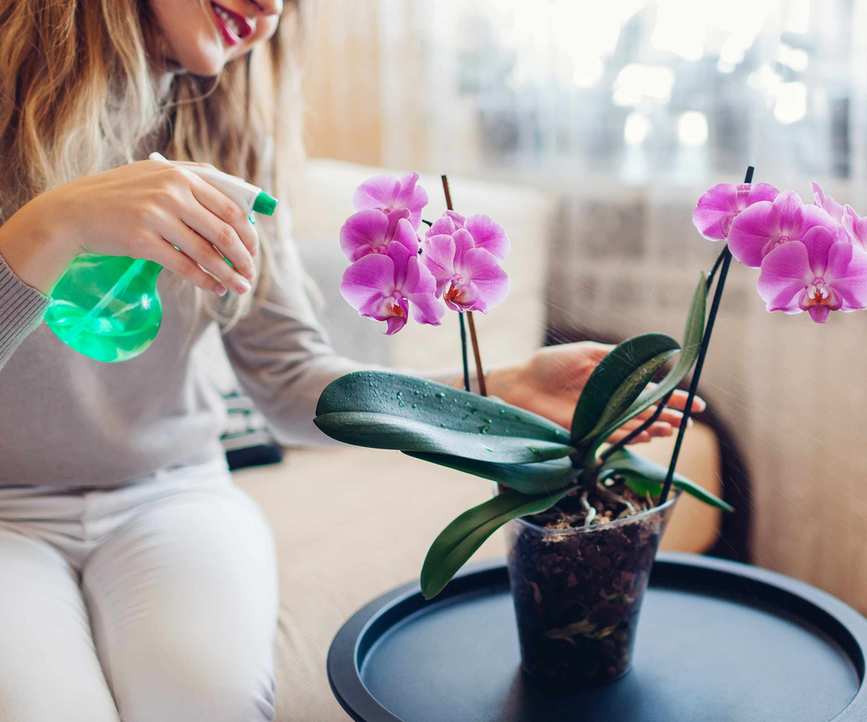
Orchids may lose flowers and buds due to drought stress caused by insufficient humidity. Low humidity can deplete moisture from the leaves, roots, and flowers, causing them to fall off.
Using a plant humidifier can help. Consider placing your orchid in a bathroom where humidity is naturally higher, as long as there's enough natural light and warmth.
6. End of Flowering Season
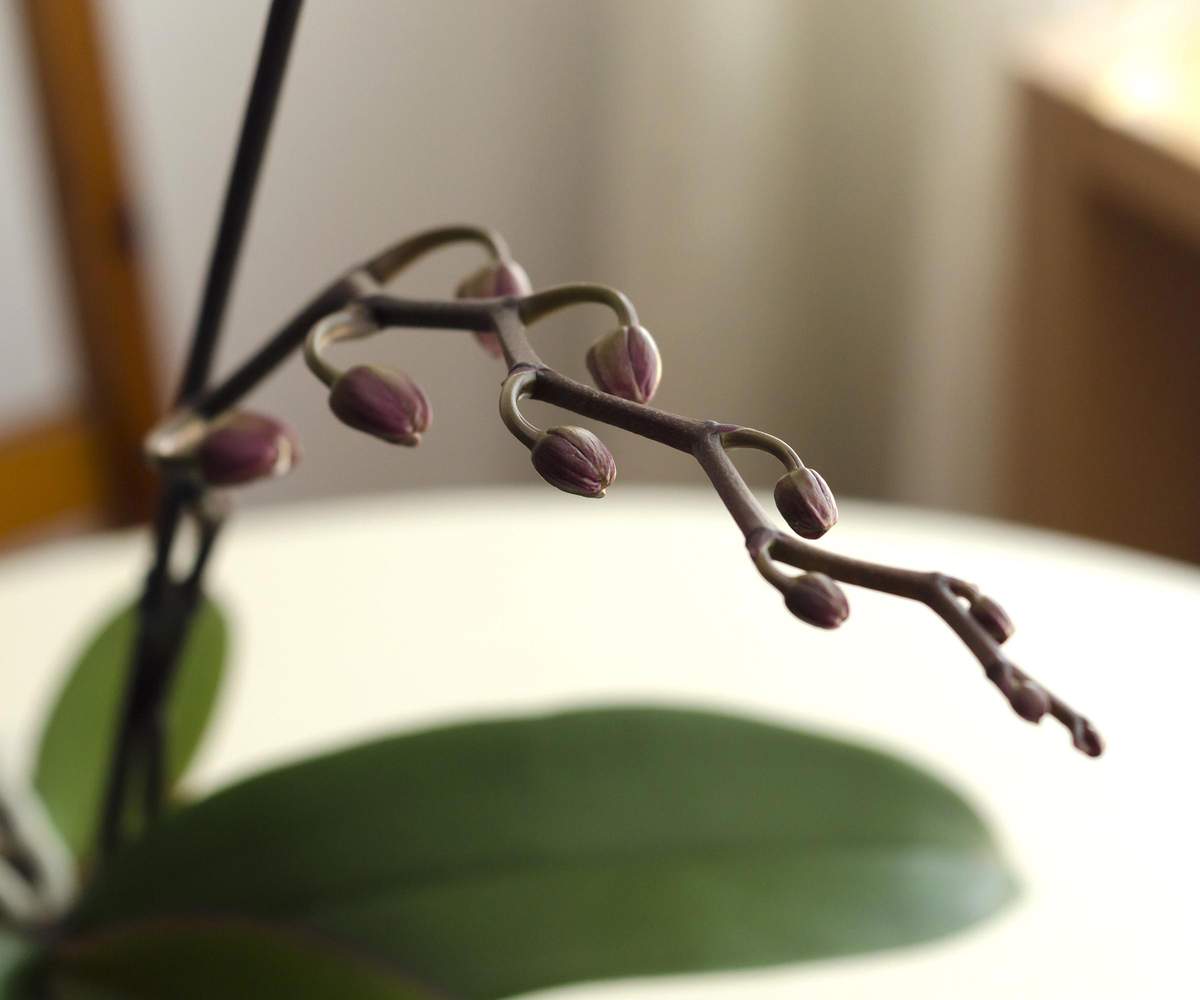
Orchids don't bloom indefinitely. If you've tried everything and nothing works, your orchid may have simply finished its flowering season. To encourage future blooms, you'll need to prune the plant.
Keep providing proper care, using rainwater for watering when possible, and maintain humidity levels. Dormancy can last for a while, so patience is key until new blooms emerge.
FAQs
What should I do if my orchid's flowers have fallen off?
Lisa Basset, a gardening expert, suggests the following: 'Leave the flower spike intact, trim it down to a node, or remove it completely. If the stem turns brown or yellow, it's best to cut it off at the base.'
If your orchid is suffering from root rot, you'll need to address that issue and repot your orchid. Trim away any blackened roots, as healthy roots are firm and white, turning green when hydrated.
Pruning will also tidy the plant and encourage more blooms in the upcoming season.
If you've successfully cared for your tropical flowers, consider learning how to propagate orchids for even more beautiful blooms next season.