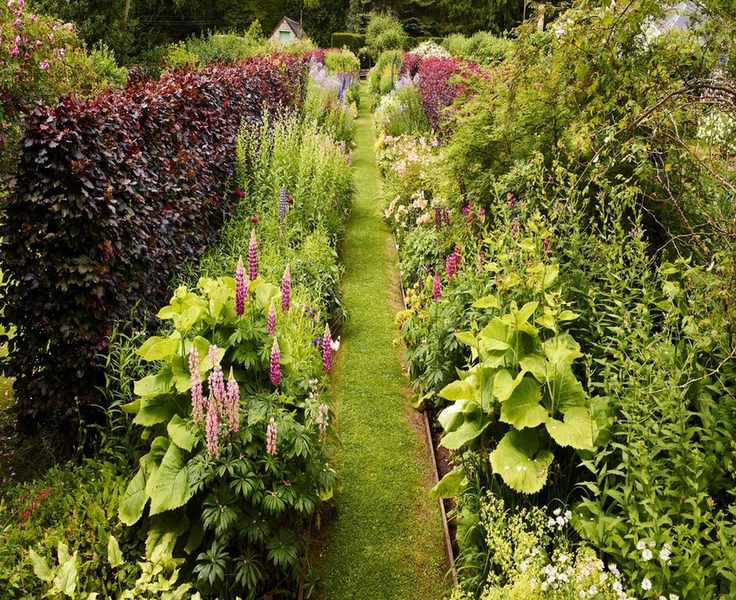
If you're curious about planting a flower bed but unsure where to start, you're in the right place.
This essential guide for beginners will inspire you to craft a flower garden that matches your dreams.
As summer approaches, flower beds burst into vibrant colors and delightful scents, transforming our gardens into spectacular displays.
You can establish beautiful beds in various garden settings. While sunny spots accommodate the widest range of plants, shady areas can still thrive with the right selections and careful planning.
There are countless flower bed ideas to explore, but let's focus on the critical steps of planning and building first. With some preparation, you'll soon enjoy a lively, flower-filled garden.
Before you start planting, take a moment to envision your design. Walk around your outdoor space, whether it's the backyard or front yard, and identify the perfect location for your flower beds.
Not sure where to begin? We've got you covered with everything you need to know about preparing a flower bed.
Steps to Plant a Flower Bed
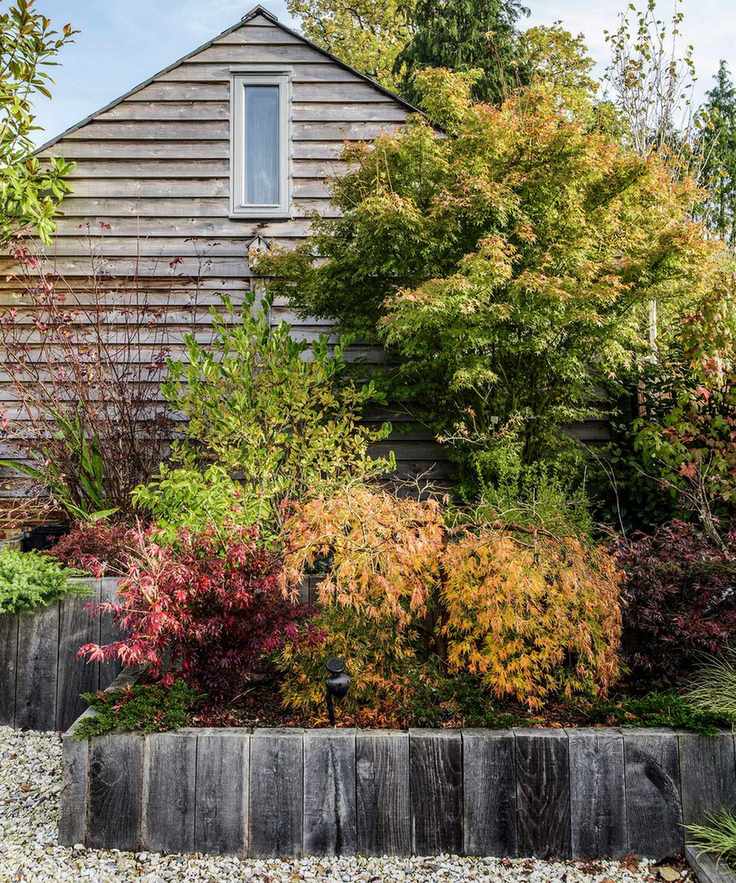
Whether you're filling a new bed, enhancing a rock garden, or refreshing an existing space, growing flowers from seeds is a rewarding option.
Annuals are particularly appealing as they grow quickly, completing their life cycle in a single year. Plant seeds now to enjoy blooms by summer, and consider collecting seeds from your own flowers to expand your garden for free.
Even beginners can create a beautiful border on a budget by following some essential guidelines:
1. Prepare Your Site
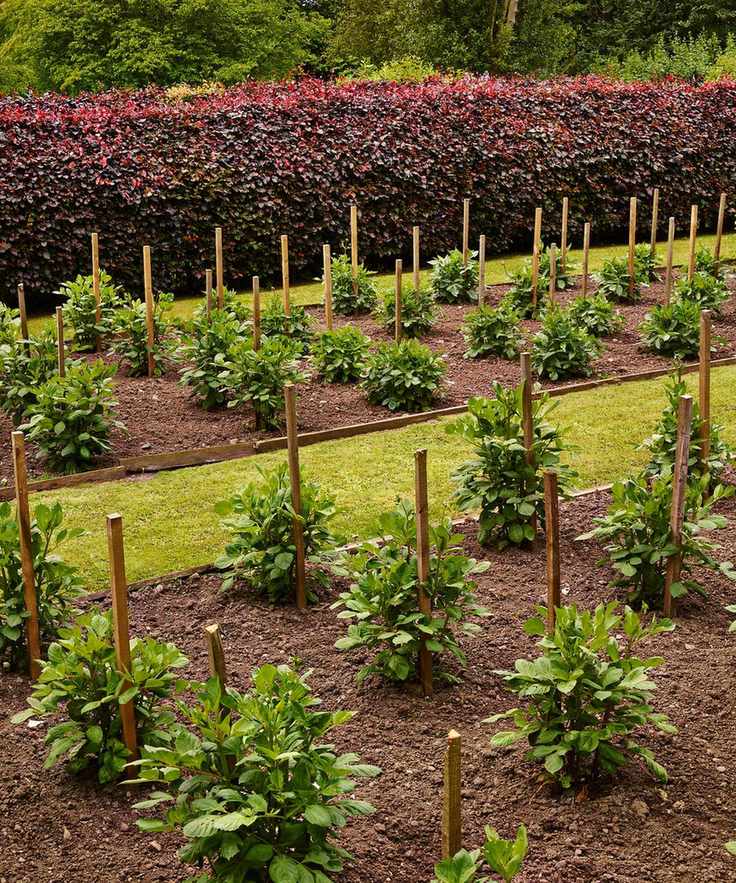
Select a sunny location and clear it of weeds and their roots. Rake the soil until it resembles fine crumbs.
2. Assess Your Soil Type
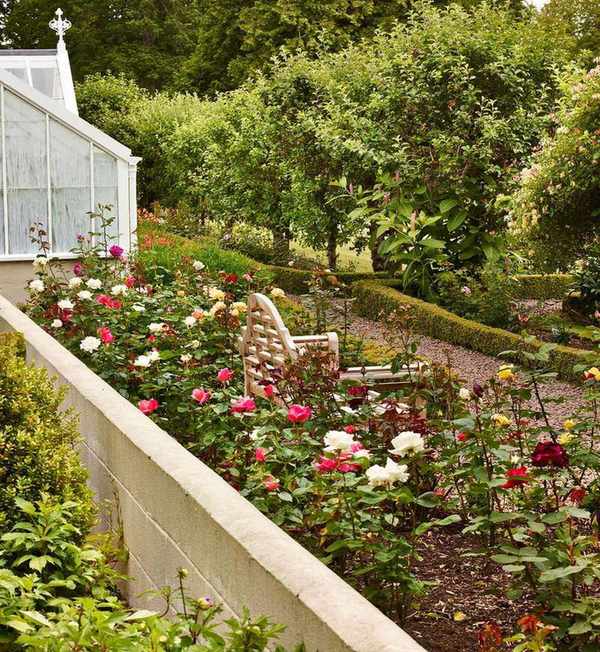
To ensure your plants thrive, it's vital to test your soil. This is especially important if you've recently moved and plan to make significant changes to your garden.
Test different areas, as pH and nutrient levels can vary across even small spaces. Soil tests are available at garden centers and online, explaining which minerals might be lacking.
Incorporate well-rotted compost and manure to nourish your flower beds, using chicken manure pellets for an excellent organic boost rich in nitrogen, phosphorus, and potassium. Mix these into your soil every four to six weeks during the growing season and water them in.
Improve Heavy Clay Soil
As any gardener knows, soil health is crucial for successful growth. If your soil lacks life, it's time to revive it.
Introduce grit and pine bark in large amounts to enhance drainage and add mushroom compost to improve soil vitality.
Once incorporated into your existing topsoil, tread down the soil to expel air, allowing for leveling and preparation for planting in late spring.
3. Choose Plants Wisely – Height Matters in Beds and Borders
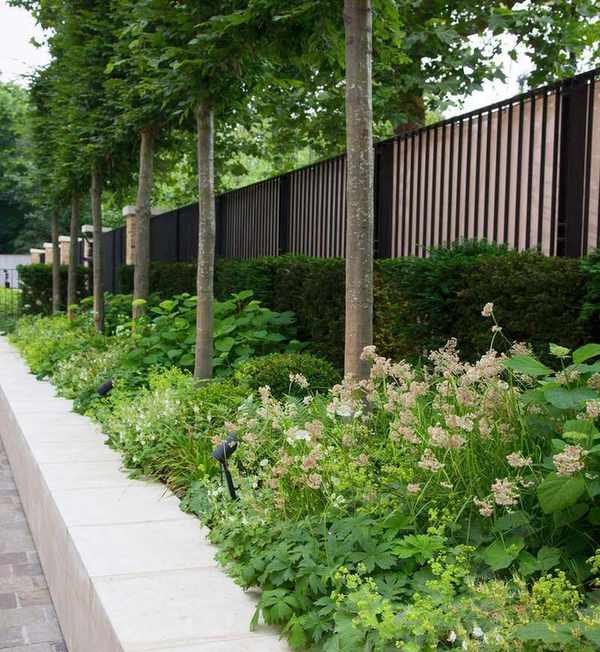
For beginners, annuals labeled as 'easy to grow' are ideal choices. Place taller plants in the back and shorter ones in front, deciding on a complementary or contrasting color scheme.
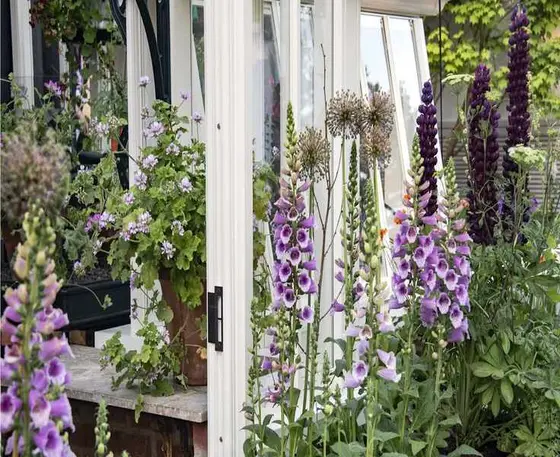
Use Tall Plants for the Back
Choose tall, elegant plants for a striking backdrop. Fast-growing sunflowers or cosmos, which can reach 120cm, add color and height. If planting against a wall or fence, consider annual climbers like sweet peas or morning glories.
Use Medium-Height Plants for the Middle Row
In the center of borders, create swathes of color using groups of three or five plants for a more effective look. If growing from seed, thin out excess plants as they develop.
Use Low-Height Plants for the Front Row
Opt for low-growing plants at the front, such as dwarf annual phlox that bloom for months or fragrant candytuft, which grows up to 30cm. Poached Egg Plant, with its bright yellow blooms, is also a great option.
For a natural look in raised beds, let trailing plants spill over the edges. Cascading lobelias are perfect and may self-seed, while nasturtiums thrive best in less rich soil to ensure blooms over foliage.
4. Consider a Color Palette
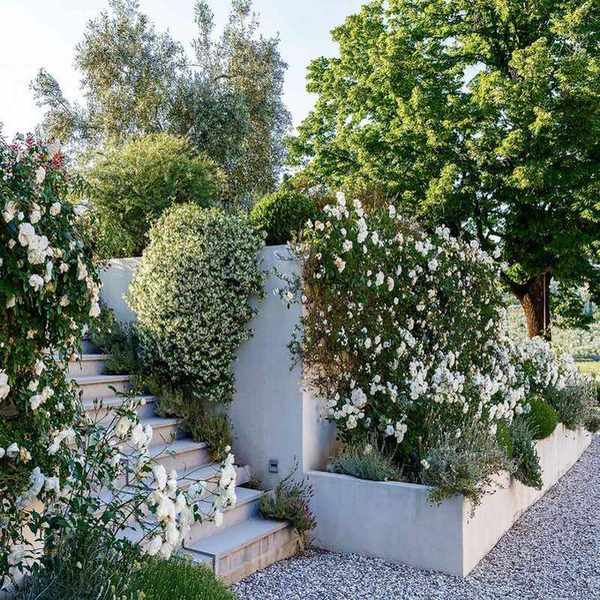
Color plays a crucial role in your garden design.
When selecting your color scheme, it's often better to opt for fewer, cohesive colors rather than a chaotic mix. Consider your space size; lighter colors can make small areas appear larger, while vibrant tones can create a more enclosed feel.
Use bold colors as accents, but avoid overwhelming the entire border with them.
5. Regular Watering and Weeding – Remove Weeds First
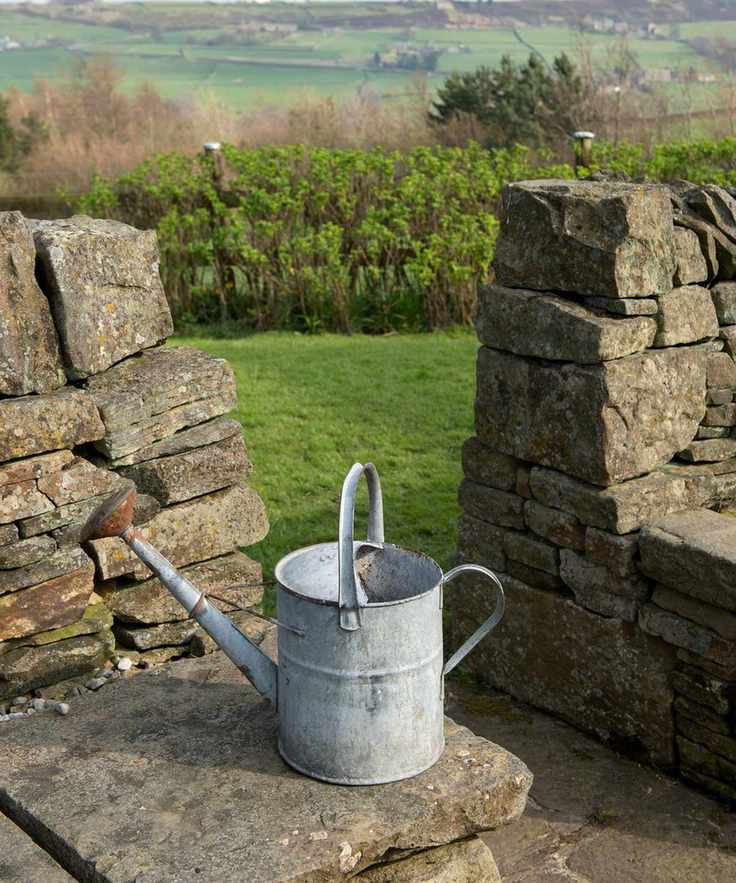
Planting in rows makes it easier to distinguish seedlings from emerging weeds.
While you can build new beds over existing grass, it's best to cut the grass short first, as it will die off without light. However, be cautious of persistent weeds with underground runners like buttercup, which may require herbicide treatment as a last resort.
Top 5 Plants for Your Flower Beds
Your list of suitable plants is likely becoming clearer. If you're feeling inundated by choices, consider these top picks for your flower beds:
1. Perennials
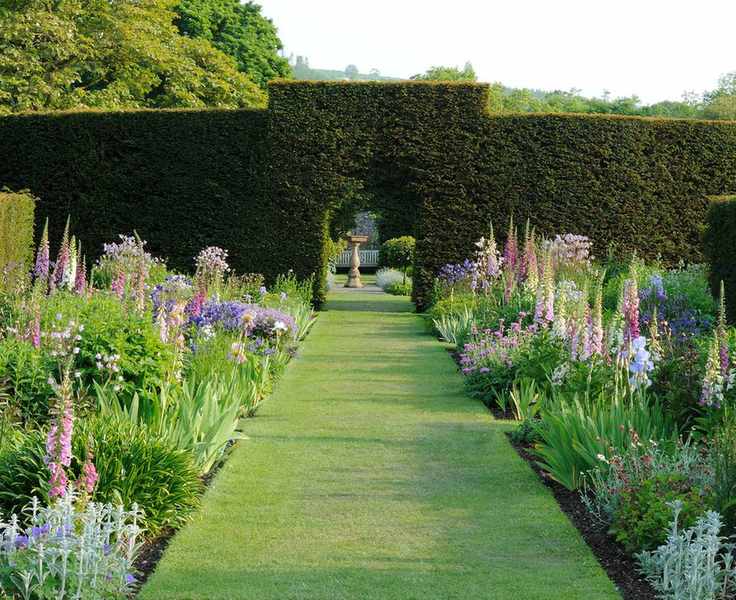
Perennials are fantastic since they return year after year, providing lasting color.
Don't feel confined to the traditional layout. Short early bloomers like hellebores can thrive in the back while enjoying the shade of taller plants.
2. Cosmos
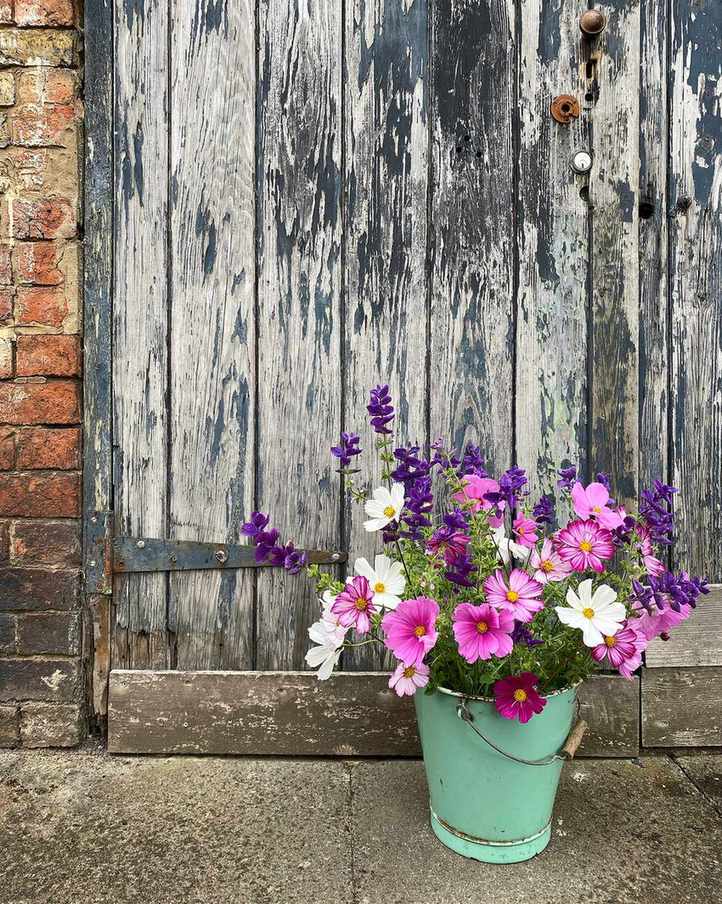
Cosmos are beloved for their wide array of colors and instant appeal. They also attract pollinators, making them a great addition to any garden.
3. Ornamental Grasses
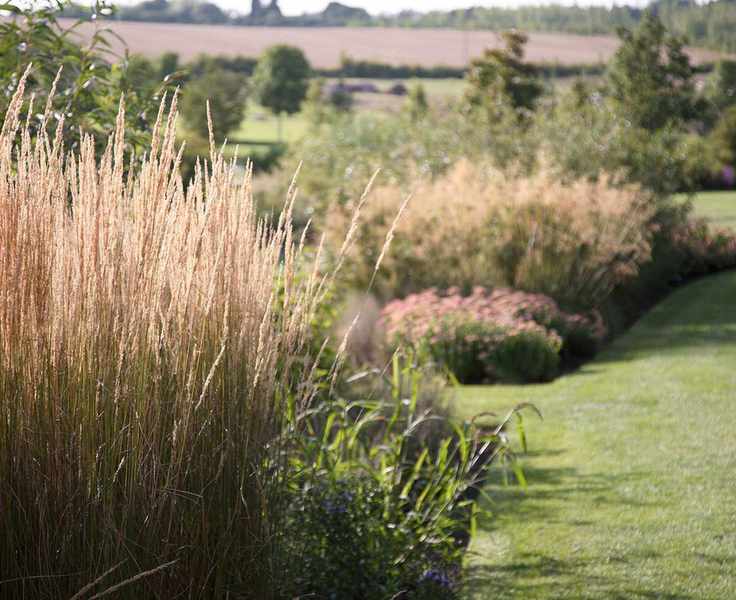
Ornamental grasses require little care while adding texture to your planting scheme. They shine in late summer when other blooms fade.
For low-maintenance options, consider Anemanthele lessoniana for dry shade or Calamagrostis for a cornfield feel.
4. Herbs

Create a charming herb garden in containers, dedicated beds, or within a herbaceous border. Grow herbs that you love to use.
Both formal and informal herb gardens can flourish with the right planning, ensuring compatibility in size and growth of neighboring plants.
5. Lavender
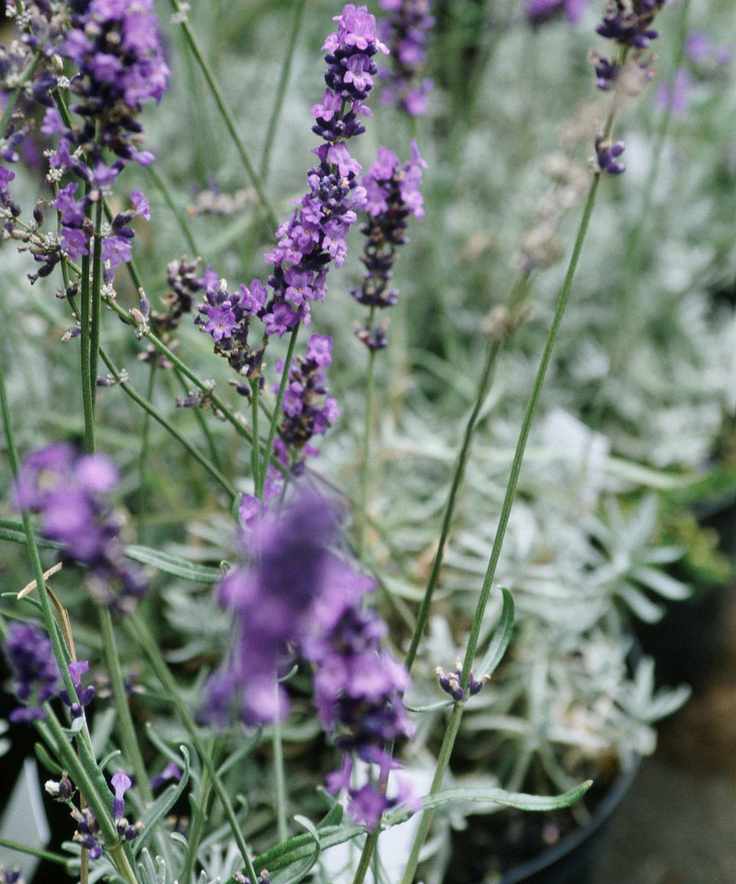
Lavender offers color, fragrance, and structure, making it a must-have in any garden. It's drought-tolerant and provides nectar for wildlife.
With its culinary and medicinal uses, lavender fits beautifully in both herb and cutting gardens. Dried lavender can last long after the blooms are gone.