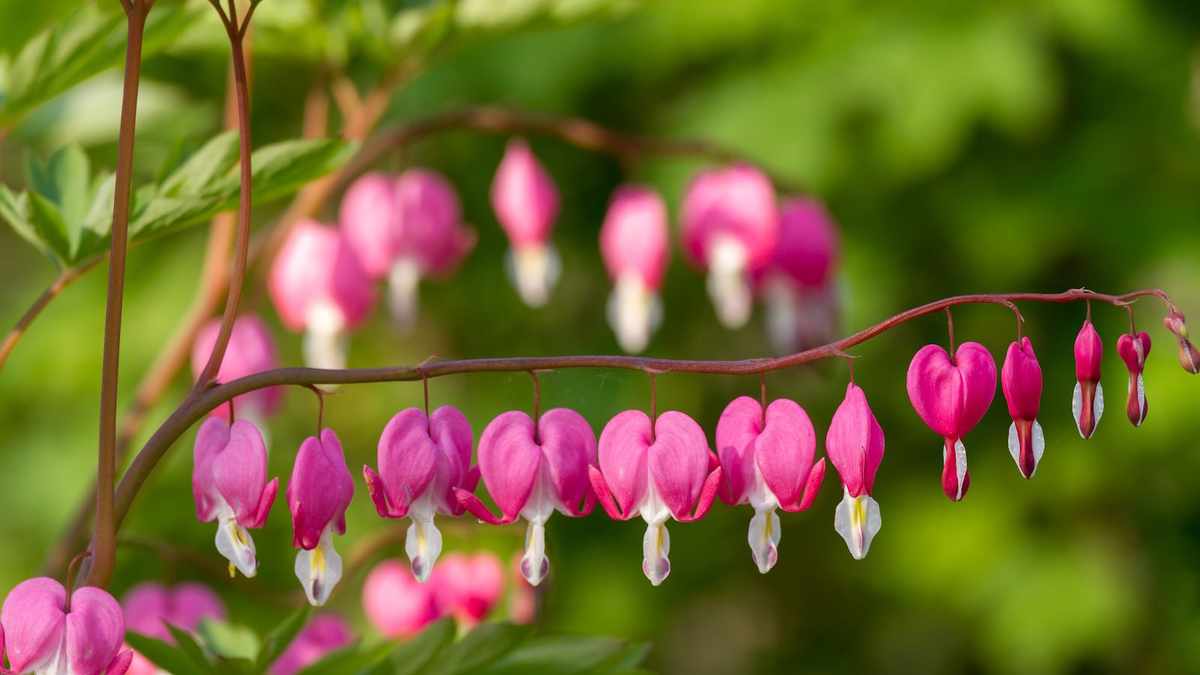
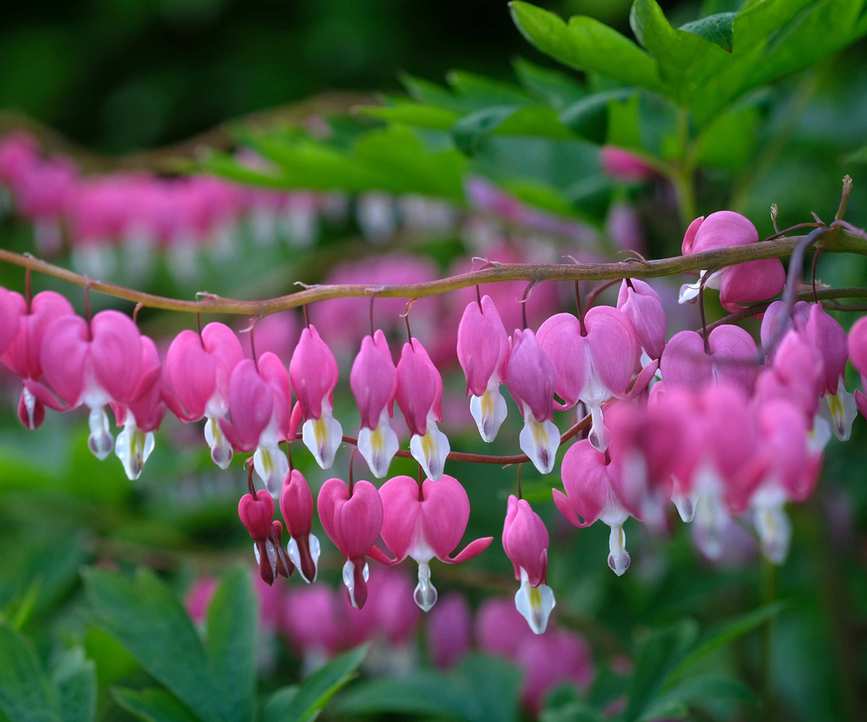
Bare-root bleeding heart, known scientifically as Lamprocapnos spectabilis, is cherished for its graceful, heart-shaped flowers that bloom in red, pink, or white. This perennial is perfect for adding romance and vibrancy to shaded spots in your garden.
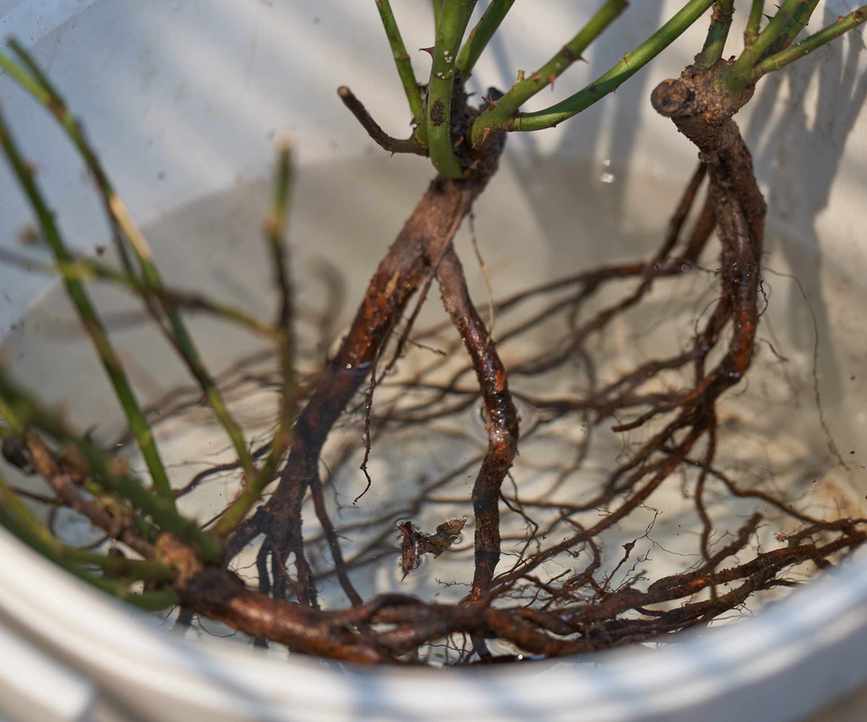
One effective approach to cultivating these plants is by using bare-root stock. This means the roots and crown arrive without soil, having been harvested while dormant in the fall. Typically, you should plant bare-root bleeding hearts in late winter or early spring, around February or March, once the last frost has passed, varying by region.
We'll guide you through the entire process, from preparing your bare-root plants to their care during the growing season. If you're curious about growing bleeding heart this year, we have the essential tips you need.
Steps for Planting Bare-Root Bleeding Heart
This part-shade perennial thrives in woodland habitats across regions like China, Japan, and Siberia. Despite its delicate appearance, bleeding heart can flourish in cooler northern climates, including states like Maine, New York, North Dakota, and Wisconsin. You can find bare-root bleeding heart plants available from Burpee.
Getting Ready to Plant Bare-Root Bleeding Heart
Choosing the right location is key for your bleeding heart. According to Dr. Ross Bayton, Director at Heronswood Gardens, these plants prefer part shade. Avoid full sun, as excessive direct light can damage the foliage.
As Dr. Bayton notes, bleeding heart can thrive in US hardiness zones 3 to 8. In warmer areas, shade is best, while cooler regions can benefit from some sun exposure.
Enhancing your soil quality before planting is essential. Bleeding heart prefers loamy, moist, well-draining soil—think of a woodland floor with rich organic matter. Adding compost or mulch during winter will help achieve ideal conditions. You can find organic compost at Walmart.
Before planting, soak the bare roots in lukewarm water for one to two hours to hydrate them. While they soak, prepare the planting site by loosening the soil with a garden fork and incorporating organic matter.
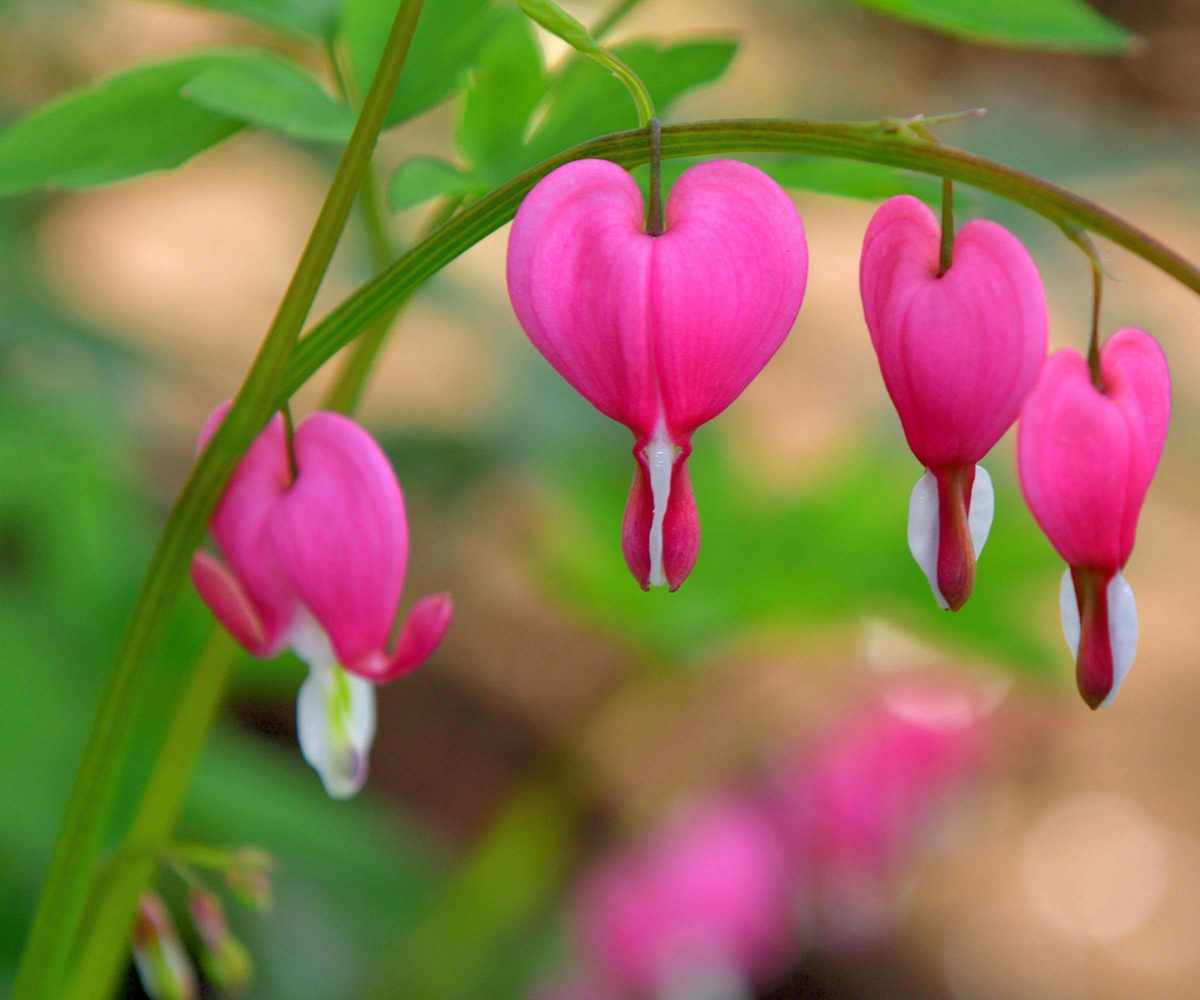
Dicentra spectabilis 'Hordival', or the valentine bleeding heart, produces vibrant red blooms in spring and can thrive down to zone 3.

Planting Your Bare-Root Bleeding Heart
To plant, dig a hole that's deep and wide enough for the roots. Place the plant in the hole, spreading the roots gently. Ensure the crown is at the correct level, identifiable by a color change on the stem where it was previously growing. Avoid planting too deep, which can lead to rot, or too high, which may cause instability.
Once positioned correctly, backfill with garden soil mixed with compost, pressing it down to eliminate air pockets. After this, deep watering is advisable to help settle the soil.
Applying a thin layer of mulch, about one to two inches, can be beneficial, especially in areas prone to late frosts in April or May.
Care Tips for Bare-Root Bleeding Heart
In the weeks following planting, keep the soil consistently moist, particularly during dry spells. As the plant blooms in spring, feel free to deadhead for a neat appearance, but try to leave the flowers as long as possible. Once blooming ends, the plant will naturally die back in summer, allowing you to cut back when the foliage turns brown in July or August.
According to Dr. Bayton, this perennial will gradually develop larger clumps over time, but patience is essential, as it doesn't spread quickly. It's wise to mark the spot where you plant your bleeding heart, as you may forget once it dies back. This way, you won't accidentally damage the crown with a spade.
Can I Grow Bare-Root Bleeding Heart Plants in Pots?
Yes, it's possible to grow bare-root bleeding heart plants in containers, but planting them in the ground is generally preferable. Since these plants die back in summer, using a pot might waste space that could accommodate longer-lasting perennials. Woodland plants need consistent moisture, and containers can dry out quickly in warm weather. So while you can grow them in pots, it isn't the best option.
Planting bare-root stock in February or March is an excellent way to enhance your garden for the upcoming growing season. Numerous plants are available in this form. You can also explore growing bare-root roses for adding enchanting blooms to your garden this year.