
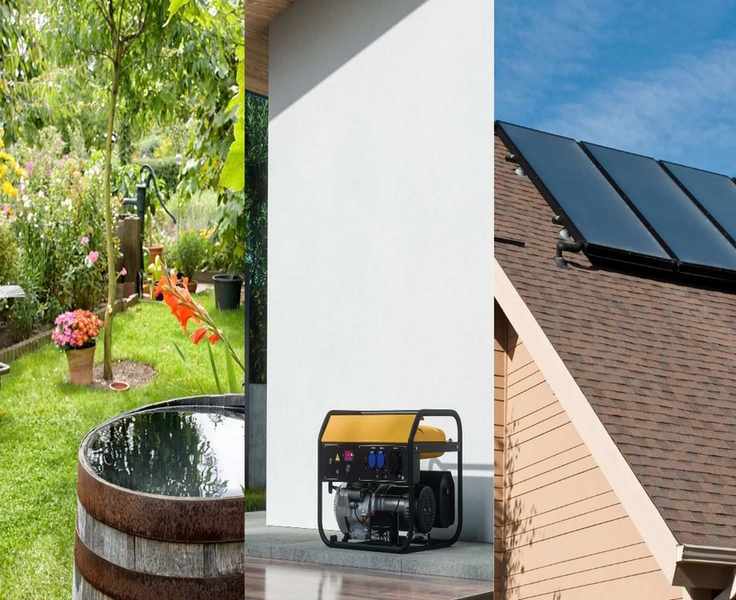
Instead of worrying about potential disasters, investing time in preparing your home for extreme weather can yield significant benefits.
Pew Research Center indicates that extreme weather occurrences, such as floods, snowstorms, and power outages, are on the rise in the U.S. Safeguarding your biggest investment with strategic home upgrades is a smart move.
Experts recommend these 10 projects to prepare your home for emergencies and severe weather.
Home Upgrades to Fortify Your House Against Extreme Weather
While these upgrades may require an upfront investment, they prove invaluable during emergencies, ensuring safety during water or power supply disruptions.
1. Portable Generators
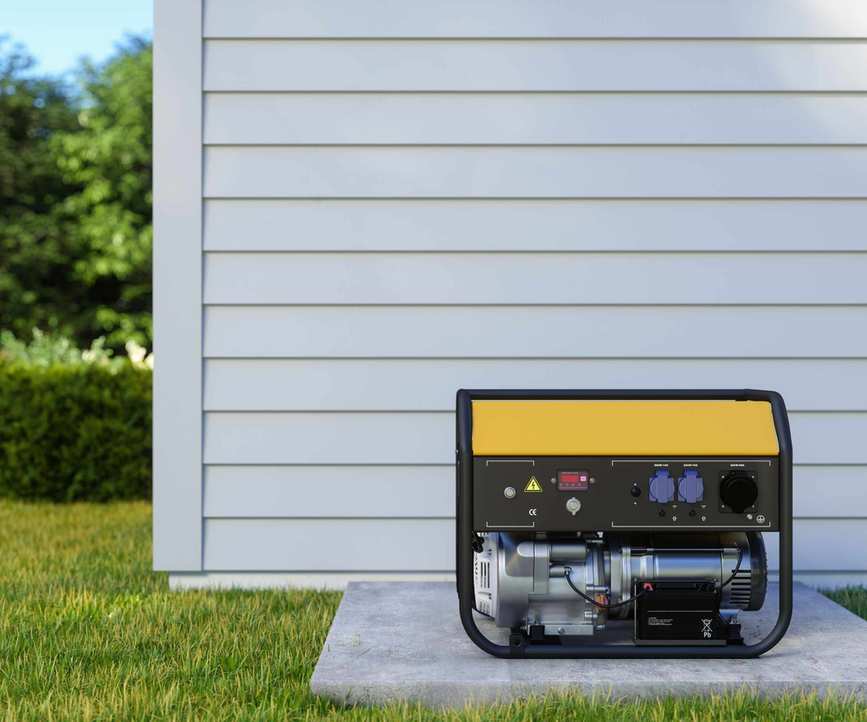
Daniel Vasilevski, owner of Bright Force Electrical, explains that power outages during severe weather can last from hours to days. Without electricity, appliances fail, security systems deactivate, and homes with medical equipment face risk. Thus, having a backup power solution, like a generator or home battery backup, is crucial.
Standby generators, which connect directly to your electrical system, activate immediately upon detecting an outage. They can power essential appliances, regulate temperature, and support medical devices during prolonged blackouts.
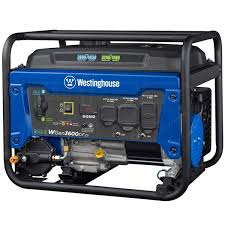 14,500 Watts
The WGen11500TFc tri-fuel generator runs on gasoline, propane, or natural gas, providing power for up to 19 hours on a 9.5-gallon gas tank.
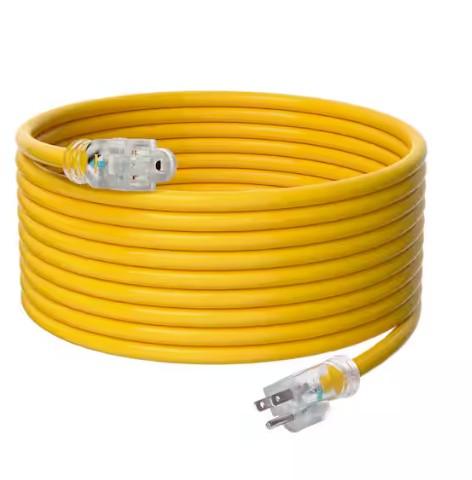 Four length options
This generator cord, featuring twist-lock connectors, ensures a secure power supply even in adverse conditions.
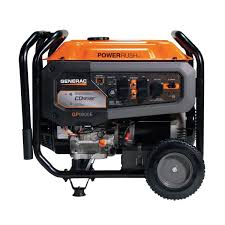 18000 Watts
Ideal for emergency backup, DIY tasks, or job sites, the Generac GP18000EFI delivers reliable, high-wattage portable power.
2. Solar Panels

For sustainable energy solutions, consider solar panels. Aiden Charron, associate director at Global Earth Day, advises investing in solar panels paired with battery storage. This ensures you have energy during grid outages, allowing you to power essential appliances.
Keep several battery chargers handy to ensure communication devices remain functional during power failures.
Multifunctional Tanbaby 10000mah Hand Crank RadioThis hand-crank radio includes a phone charger, flashlight, and light box, perfect for staying connected during power outages.
3. Whole Home Surge Protectors

Surge protection is vital, particularly when preparing for thunderstorms. Joel Worthington, president of Mr. Electric, recommends installing whole-home surge protection to safeguard vital systems. This helps keep lighting and HVAC units operational during outages.
While whole-home systems are ideal, even a single surge protector can be beneficial for essential items during storms.
4. Xeriscaping for Fire Protection

David Gilliland, founder of The Paulele Hale Association, suggests xeriscaping to create defensible landscaping. This approach minimizes fire risks by clearing flammable materials around your home.
Consider using non-combustible materials like pebbles and succulents to significantly reduce the chances of fire reaching your home.
5. Water Butts
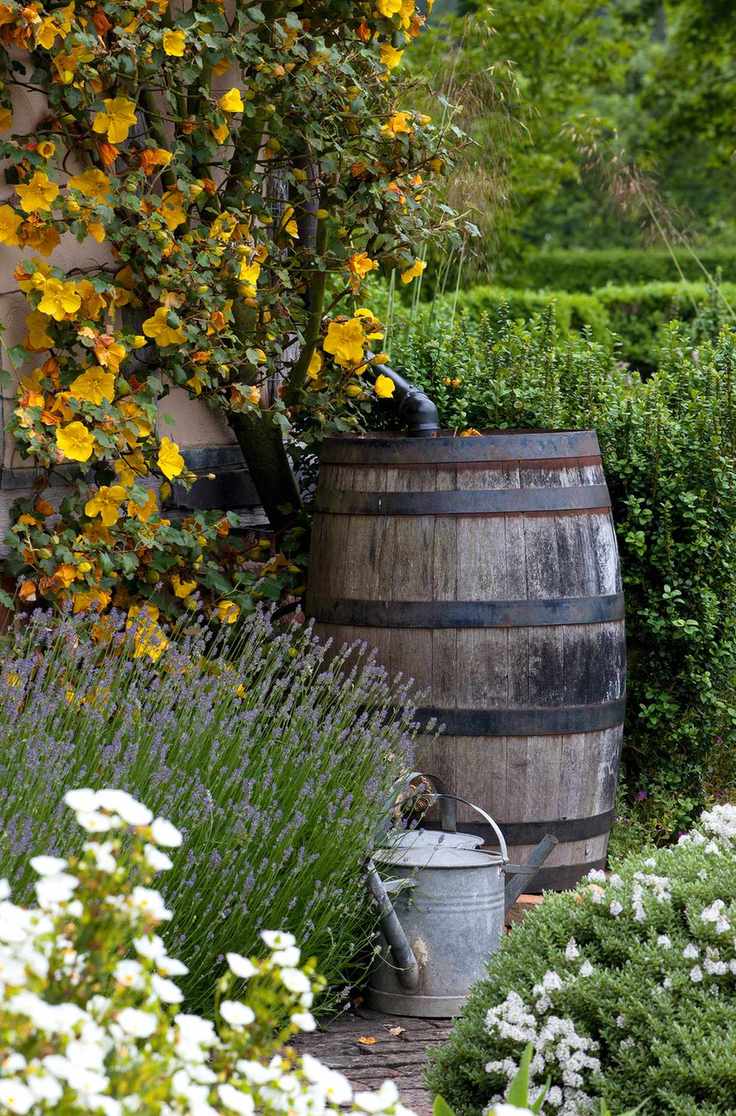
Aiden Charron emphasizes the importance of rainwater harvesting for extreme weather preparations. Use water butts to collect rainwater, primarily for flushing toilets and washing, especially when the water supply is disrupted. Simply place a water butt beneath your gutter for runoff collection.
Having a supply of water is advantageous for gardening while also aiding in fire prevention.
For DIY enthusiasts, creating your own rain barrel is a feasible project, plus you can use rain chains to direct water more efficiently.
Given that extreme weather can contaminate water, consider a filtration system to ensure safety. Michael Peck, VP of installation at Leaf Home, recommends a filtration system to remove harmful contaminants that can enter water supplies during major weather events.
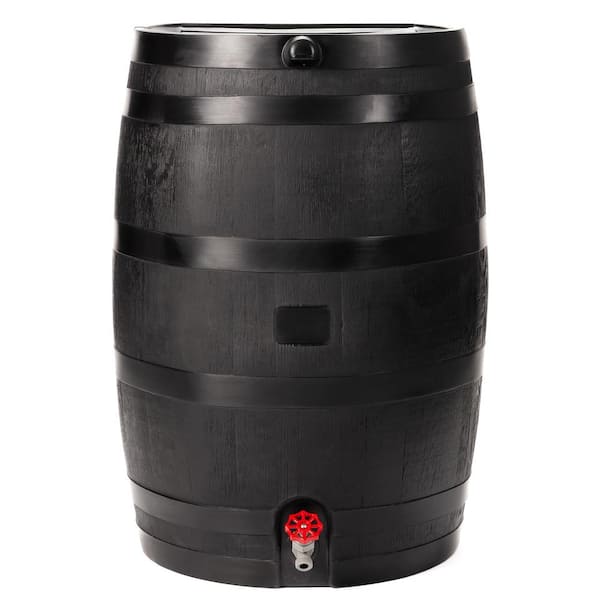 50 gallon
Featuring a flat back, this rain barrel easily fits against walls for efficient water collection.
 Adjustable
This rain chain effectively directs water from roofs into barrels and can be adjusted by removing links.
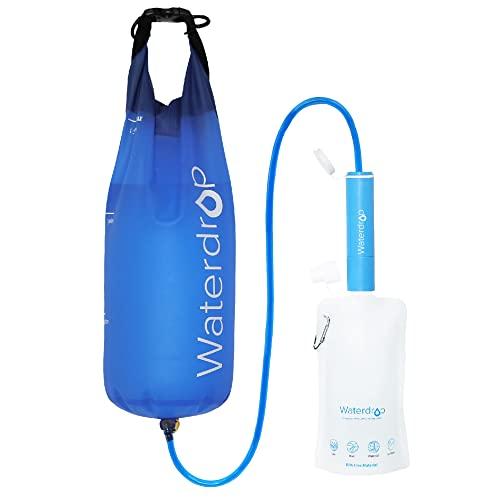 1.5 gallon bag
This gravity filtration bag is designed for camping and effectively removes harmful substances for safe drinking water.
6. Sump Pump with Backup Battery

Matt Kunz, president of Mr. Rooter, recommends installing a sump pump with a battery backup for effective basement drainage during heavy rainfall. This ensures the system operates even if the power is lost.
7. Storm Shutters
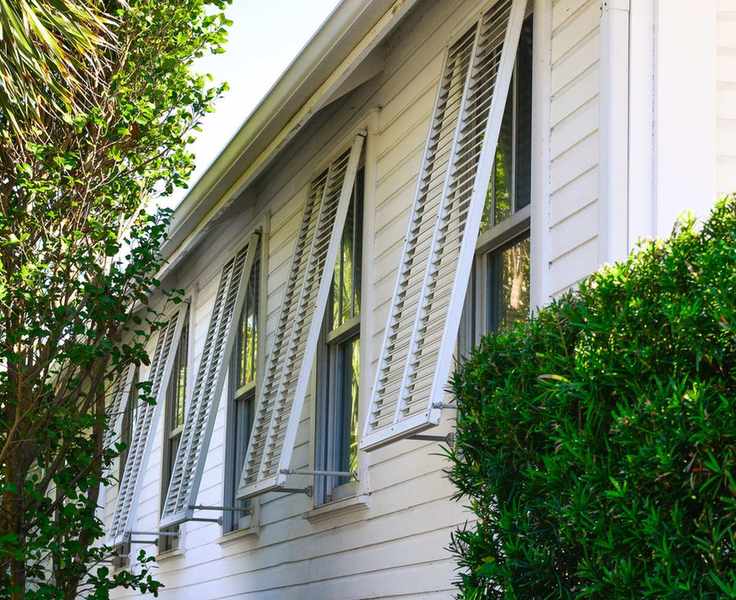
For hurricane preparedness, Sam Tamlyn, a window and ventilation expert, suggests storm shutters. These protect windows from flying debris, reducing the risk of injury and property damage while maintaining the home's structural integrity.
You can find high-quality polycarbonate hurricane shutters at Home Depot for quick installation.
8. Insulation Systems

Proper insulation is crucial for maintaining comfort during temperature extremes. Paigh Bumgarner, general manager for Ply Gem Portfolio, states, 'Minimizing heat or cooling loss through the building envelope is essential for both comfort and savings. Effective weatherproofing helps homes endure freezing winters and sweltering summers.'
Advanced insulation systems, integrating vinyl siding with breathable foam, significantly reduce energy loss while offering protection against hail and ice during storms.
Insulating pipes is another important step to prevent freezing during cold spells and to avert bursting pipes.
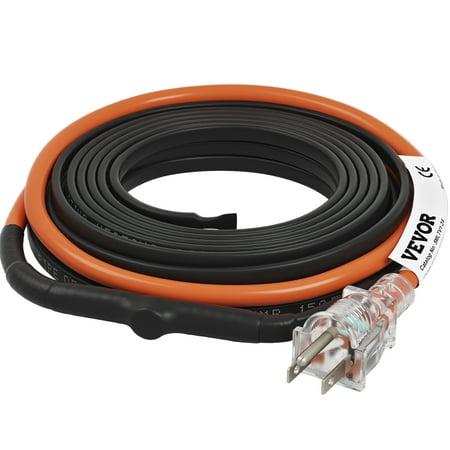 Self-regulating
This heat tape runs along your water pipes, providing warmth to prevent ice formation, requiring a safe electrical outlet.
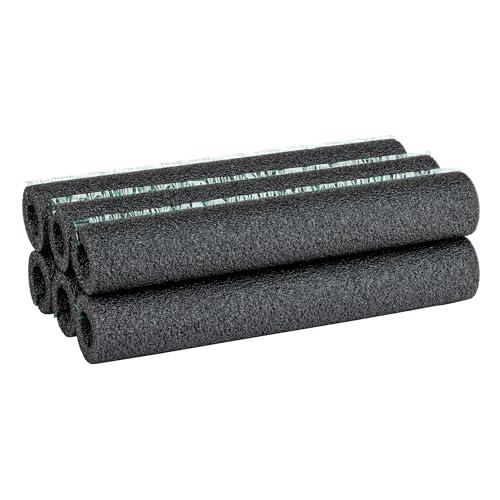 Pack of six
This six-pack of foam insulation covers is a cost-effective solution for quickly insulating exposed pipes around your home.
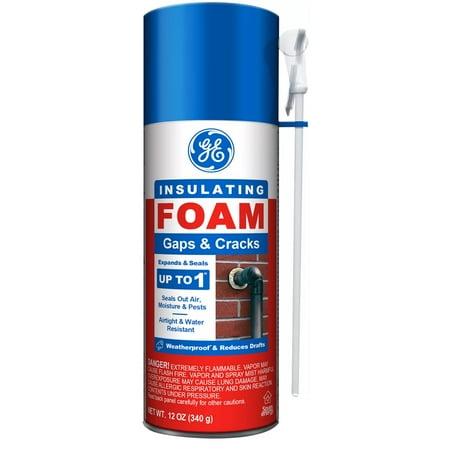 Water resistant
This expanding foam fills gaps up to one inch, enhancing existing insulation and eliminating cold spots.
9. Durable Vinyl Siding

Paigh Bumgarner emphasizes that homes face threats from high-velocity winds nationwide. Siding acts as a frontline defense and must be robust against severe weather.
Modern vinyl siding boasts innovations that yield resilient, thick panels designed to withstand impact from debris and strong winds. These features enhance security during stormy conditions.
10. Metal Roofing and Hurricane Windows
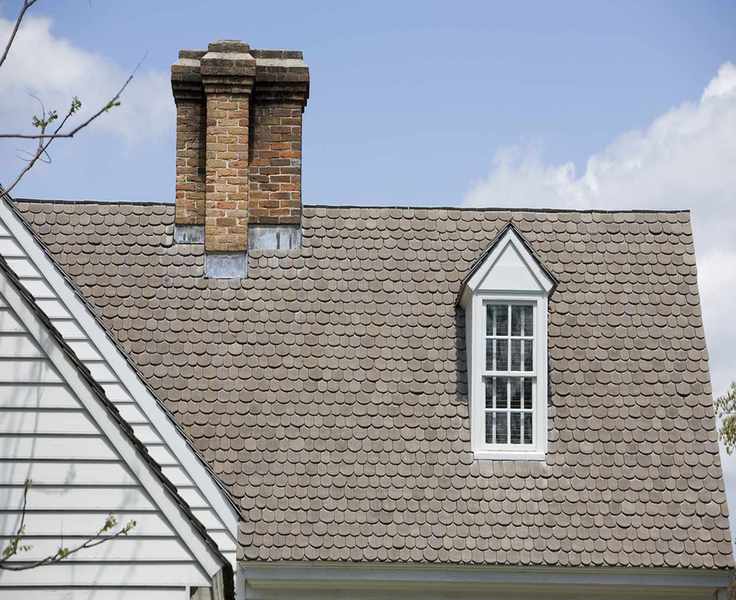
When future-proofing your home against extreme weather, consider upgrading your roof. David Gilliland suggests replacing traditional asphalt shingles with metal roofs, which are interlocked to resist high winds. Adding hurricane straps available at Home Depot enhances stability.
Additionally, installing multi-pane, impact-resistant windows can protect against flying debris and are beneficial in wildfires.
Preparing your yard for storms is equally vital, helping safeguard plants and reduce structural damage during severe weather.