Want to fill your home with Swiss cheese plants without overspending? With just one robust monstera, you can create multiple new plants through propagation.
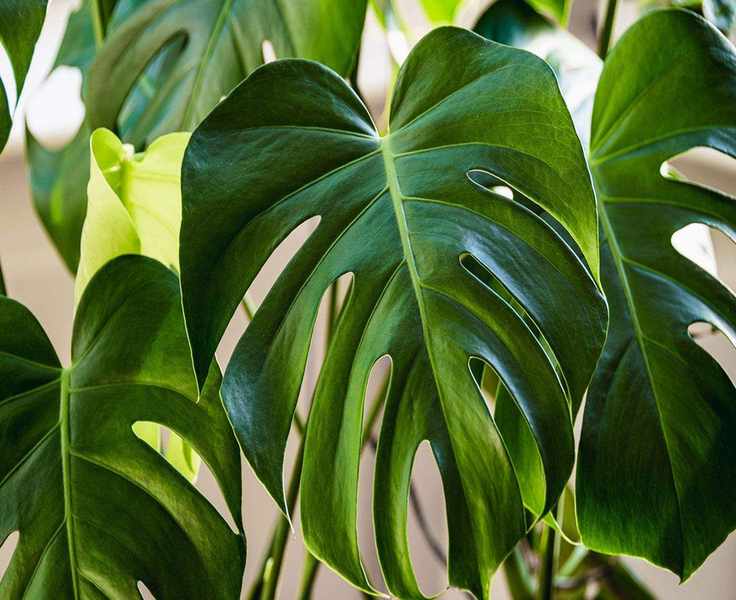
Monstera plants, known for their characteristic holes and splits in leaves, belong to the Monstera genus. Their tropical vibe and ease of care have made them a favorite among plant enthusiasts globally.
By using some basic tools and a healthy monstera, you can effortlessly expand your plant collection at no additional cost. You can take one cutting at a time or several, depending on your plant's size, and root them in water or soil.

Pro Tips for Propagating a Monstera
Before getting started, it's wise to clean your pruning shears and any containers previously used for propagation. A clean setup gives your cuttings the best chance for healthy root development.
In just a few minutes, you can begin the process of growing a new monstera.
If you also need to repot your existing monstera, consider taking a couple of cuttings simultaneously.
1. Select the Right Stem
When taking plant cuttings, picking a healthy stem is crucial for propagating a monstera. Avoid any stems that show signs of disease or damage, as they won't root well and may lead to rot.
Choose a stem with one or two healthy leaves. This ensures the cutting can photosynthesize and gather energy for root growth. Bright, indirect light is essential for the cutting's survival.
It's also beneficial to select a cutting with an aerial root at the base. While not mandatory, these cuttings often root faster and exhibit stronger growth. If you find several suitable stems, you can take multiple cuttings, but be cautious not to remove more than one-third of the parent plant to avoid shock.
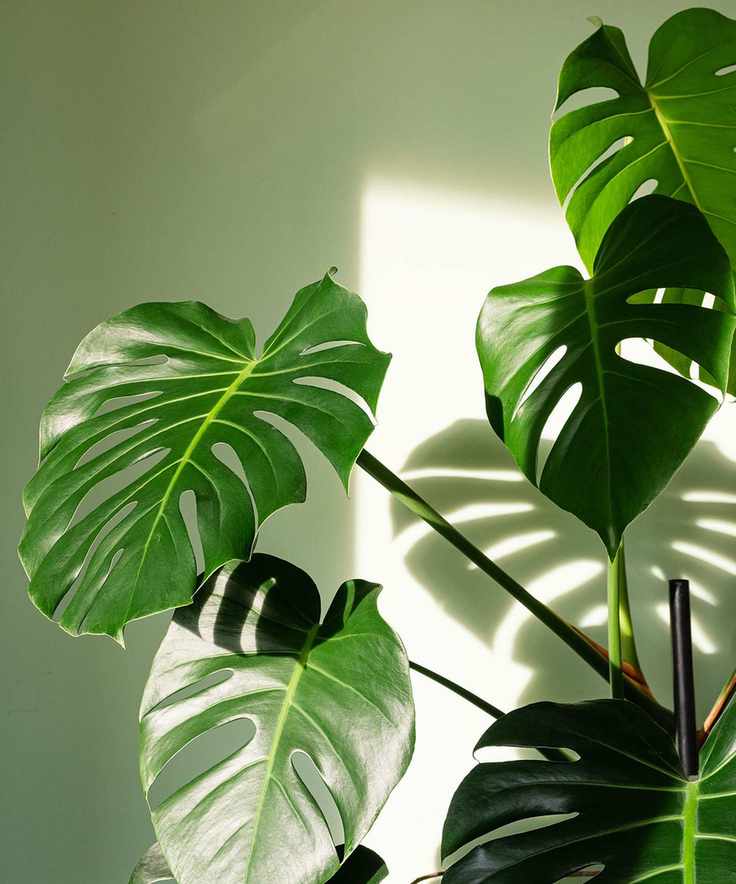
Ensure your plant is healthy before taking any cuttings
2. Cut the Stem
To remove a monstera cutting, make your cut just below a node—the bumps on the stems where new growth appears. These nodes hold the potential for root development.
If your cutting has aerial roots, locating the node is straightforward. Otherwise, look for rings near the base of the plant. Cut about an inch or two below the node, ensuring you don't damage it.
Use sharp shears for a clean cut; blunt tools can harm the cutting's base, making rooting difficult and slowing recovery for the parent plant.
3. Root Your Cutting
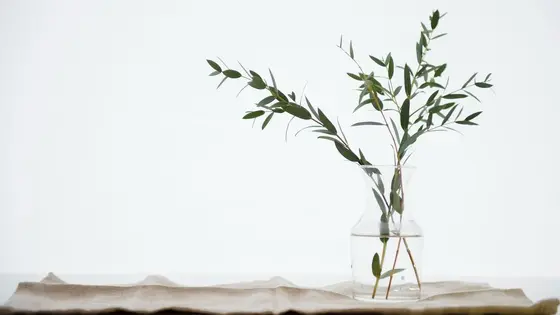
Monstera cuttings can root quickly in either water or soil. Personally, I prefer water rooting because it allows me to monitor root growth easily. Plus, cuttings in a stylish vase add an appealing touch to your decor.
However, soil rooting has its perks too. Cuttings often develop stronger roots in soil, minimizing transplant shock later. Choose whichever method suits you best.
For water rooting, place your cutting in a clean glass of filtered or rainwater. Any clear container will work, as long as you can observe the roots. For soil, use a light propagating mix, such as equal parts perlite and coconut coir or peat moss, ensuring it drains well.
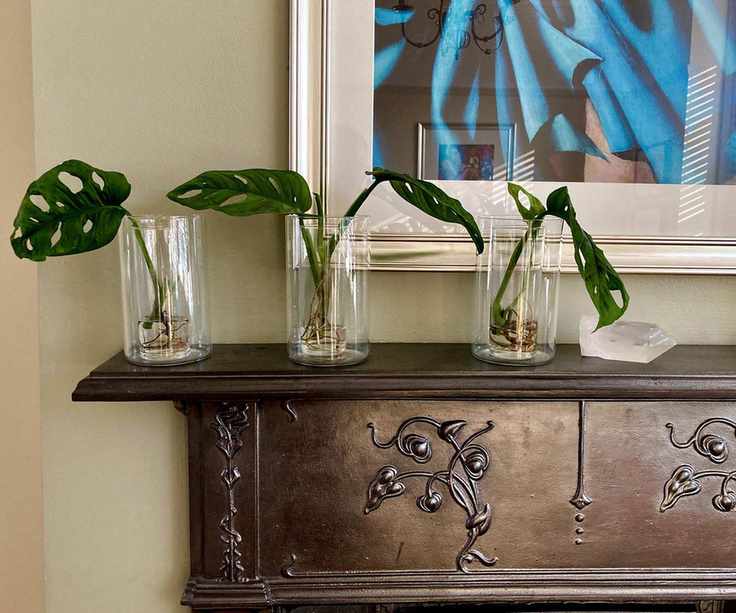
Cuttings in water can create a lovely display
4. Place in a Warm, Bright Area
Regardless of your rooting method, position your cutting in a warm, bright location to promote root growth. Your monstera needs adequate light and warmth to thrive. Avoid direct sunlight to prevent leaf scorch.
Keep the water level above the node and refresh it weekly to avoid bacterial buildup. For soil-rooted cuttings, maintain slight moisture without overwatering, as soggy soil can lead to rotting.
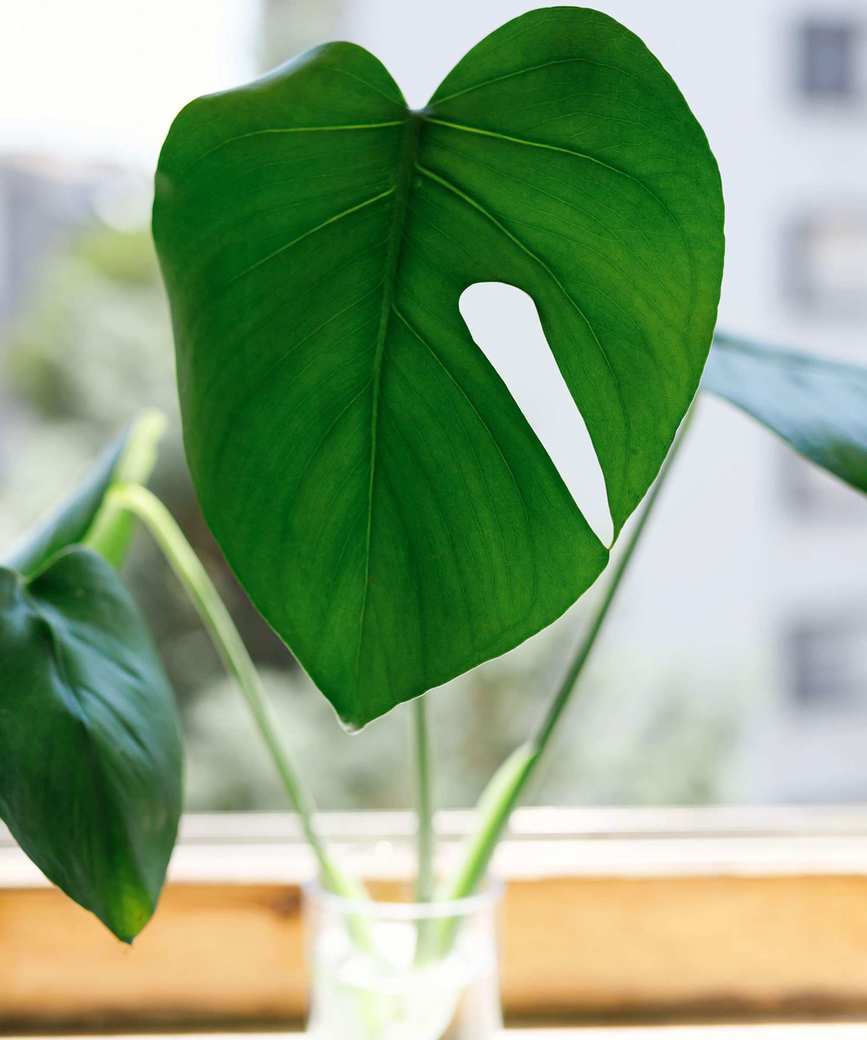
Keep your cutting in a warm, well-lit spot
5. Transplant Your Cutting
Once the roots reach a few inches, it's time to transplant into soil. Cuttings in propagating mix can stay there temporarily but will eventually need to be moved to a potting mix for sustained growth.
Select a container with good drainage and fill it with a quality houseplant potting mix, or create your own by mixing two parts potting soil with one part coconut coir and one part perlite. After transplanting, water the cutting thoroughly to help it settle.
Alternatively, you can keep your monstera cuttings in water long-term. I've done this successfully, adding a few drops of liquid fertilizer to the water. The plant has thrived, producing fresh leaves each season.
Best Time for Propagation
For optimal root development, propagate during the active growing season—early spring is ideal, but spring and summer work well too. You can propagate in fall and winter if you provide enough warmth, though roots will take longer to develop.
Timeframe for Propagation
Roots typically start forming within a few weeks under the right conditions. It takes about two months for cuttings to grow long enough roots for transplanting, and new leaf growth may take several months.
Whether you propagate in water or soil, both approaches yield great results and help you expand your collection of low-maintenance indoor plants to beautify your home.