
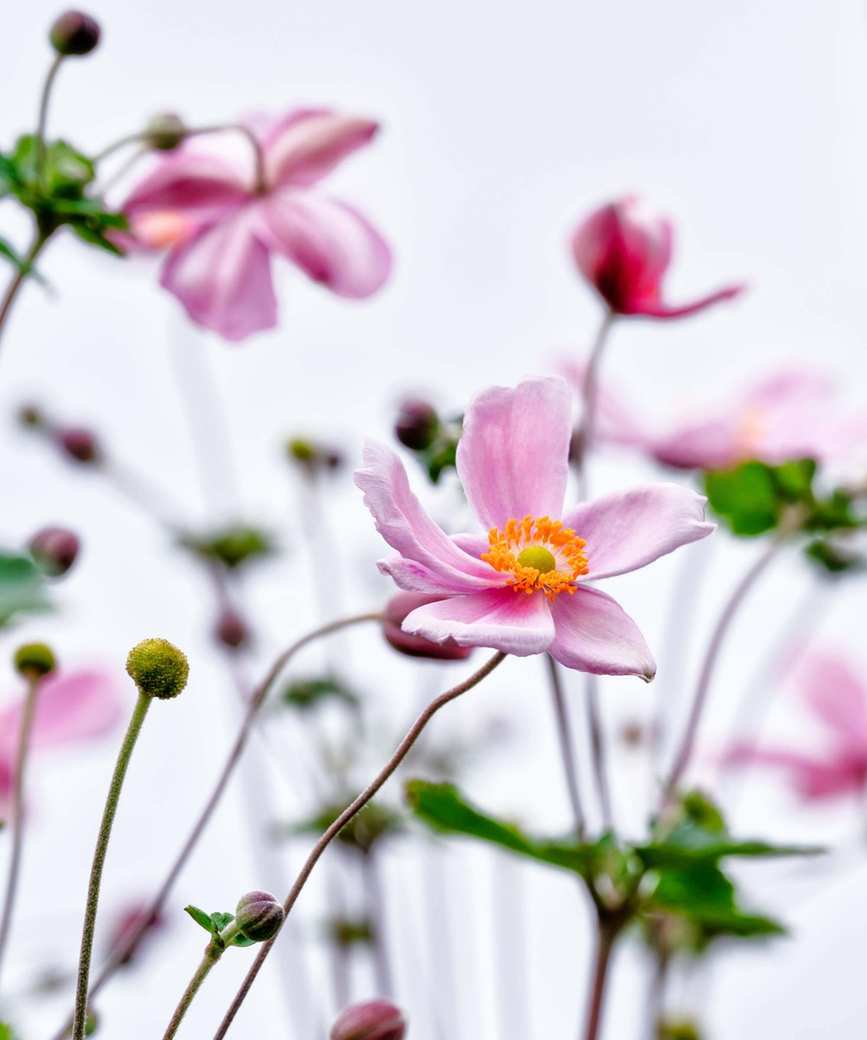
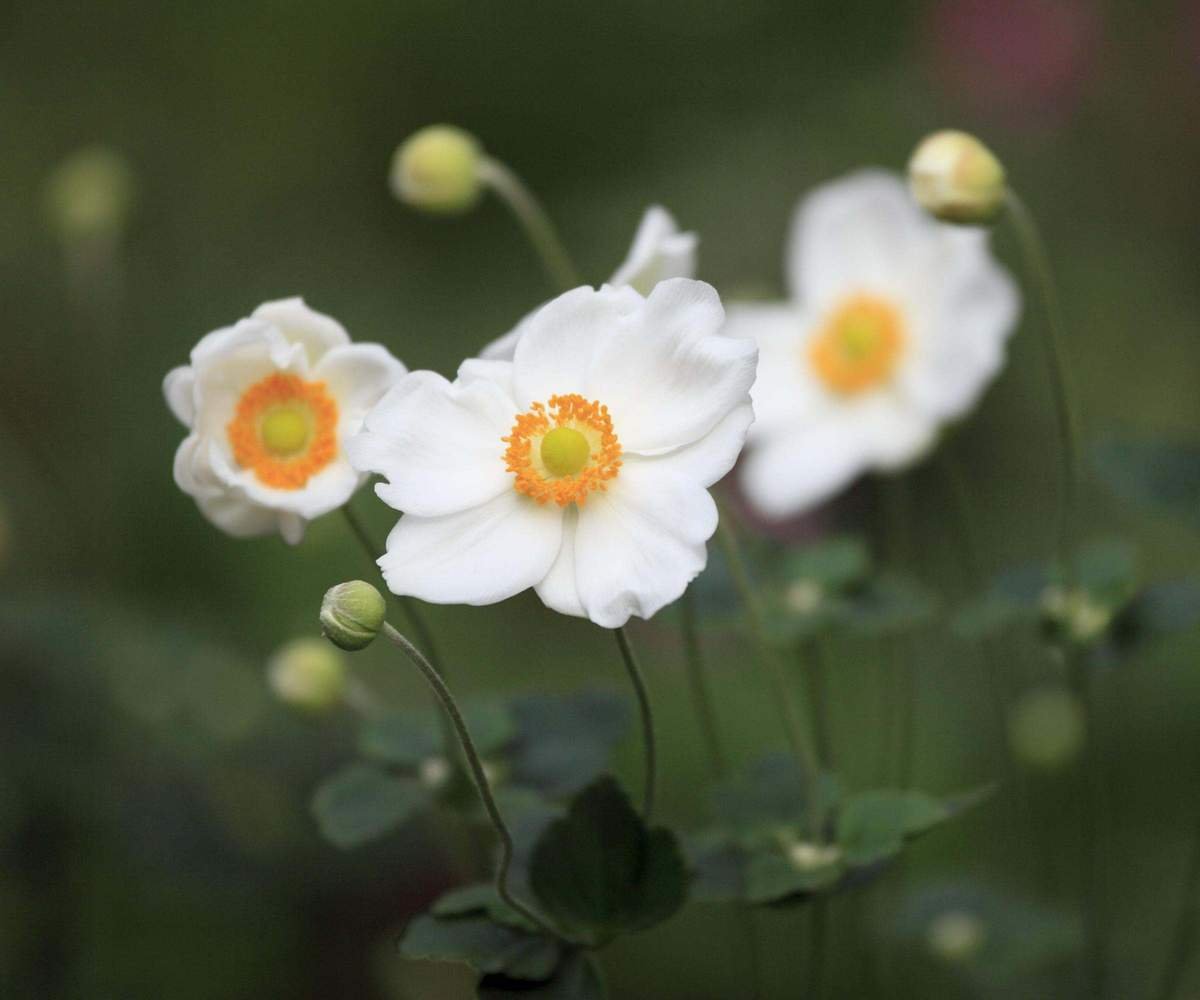
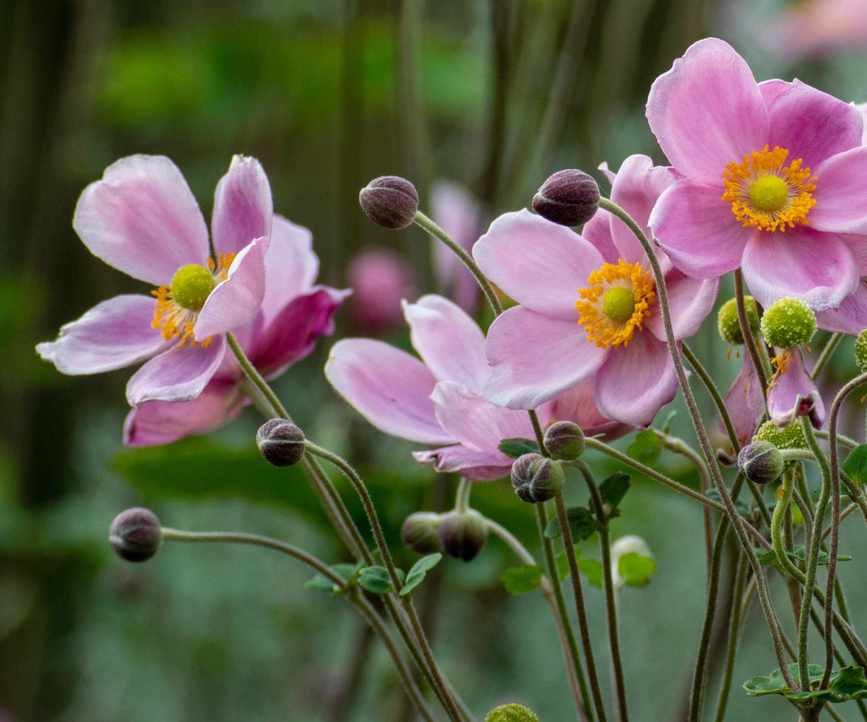
Japanese anemones showcase a stunning array of white and pink blooms on tall stems, making them a must-have in any garden during this season. By learning how to propagate these beauties, you can enjoy even more of their charm next fall.
These perennials thrive in partial shade, making them perfect for planting near trees or in woodland settings. They also provide nectar late in the season, supporting bees when many other flowers fade. Consider adding them to your garden to attract fall pollinators, with blooms continuing into October and November.
- Height: 2-4 ft
- Spread: 1-3 ft
- Hardiness: USDA Zones 5-8
- Ideal for: Late-season blooms
Effortless Propagation of Japanese Anemones
Follow these expert techniques to multiply your Japanese anemone plants without any cost.
Dividing Japanese Anemones for New Plants
One common and effective method for propagating Japanese anemones is through root division during fall or early spring. Dig up the plant and separate the root ball into sections with a spade. If you're unfamiliar with propagation, it may seem like you're harming the plant, but rest assured, it will thrive.
After dividing, replant each section in your desired location and ensure they receive plenty of water. For those with limited space, Japanese anemones adapt well to container gardening. Just use rich organic compost and ensure adequate drainage.
According to gardening expert John Negus, "Japanese anemones prefer fertile, well-drained but moisture-retentive soil in partial shade. They flourish best in protected spots that avoid the harsh midday sun."

John has over 50 years of experience in garden journalism and regularly answers gardening queries.

Root Cuttings for Propagation
Another simple way to grow new Japanese anemones is by taking root cuttings. Gently unearth some plants and remove excess soil to reveal the roots.
You'll notice small nodules along the roots called rhizomes, which would naturally develop into new shoots if left undisturbed.
Using a sharp knife, cut the roots into pieces about 2 inches long and lay them horizontally in a seed tray filled with gritty potting mix. Lightly cover with soil and water thoroughly. Place in a sunny location, and you should see new growth within three to four weeks.

Letting Nature Do the Work
Once established, Japanese anemones can naturally spread over time. Instead of self-seeding, they grow new shoots from their roots, expanding your flower area effortlessly.
As John Negus notes, "Most of the young plants in my garden come from roots spreading underground, rather than from seeds. They can spread quite efficiently and are challenging to remove once settled in a spot."
To manage their spread, simply dig up a few clusters and replant them in different areas of your garden. According to our seasonal gardening tips, now is an excellent time to move and divide perennials.
Common Questions
When should I prune Japanese anemones?
"There's no need for pruning, as Japanese anemones are resilient perennials that die back each winter and return in summer," explains John Negus. The plant doesn't have a woody structure, so pruning isn't necessary.
What's the best tool for propagating Japanese anemones?
A garden fork or spade is ideal for digging and dividing the root ball. For root cuttings, a sharp knife is best, and remember to place them horizontally in the potting mix when trying to encourage growth.
Japanese anemones can flourish abundantly in your garden, multiplying with minimal effort. Now you have the knowledge to propagate them effectively, giving you control over their growth and spread in your flower beds.