Decluttering can be both physically and emotionally taxing, as it forces us to confront memories tied to our belongings. However, small changes can significantly enhance the feel of your home. Below, I share simple decluttering strategies for each room.
These tips are quick to implement, allowing you to tackle clutter without feeling overwhelmed. While I've highlighted some useful storage solutions, you can often achieve results without purchasing anything new.
Quick Decluttering Tips for Every Room
We’ll focus on manageable steps instead of tackling everything at once. If you find success and want to spend more time in a specific area, our decluttering checklist offers additional inspiration for items to eliminate without second thoughts.
1. The Entryway
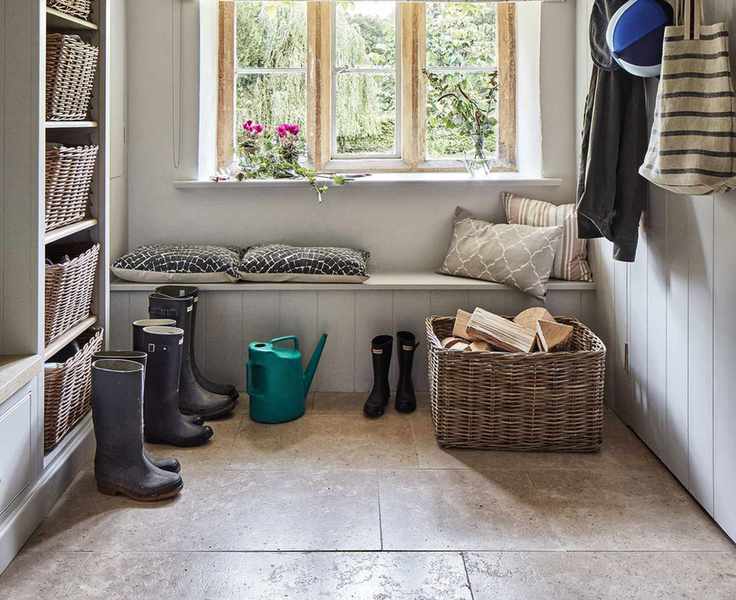
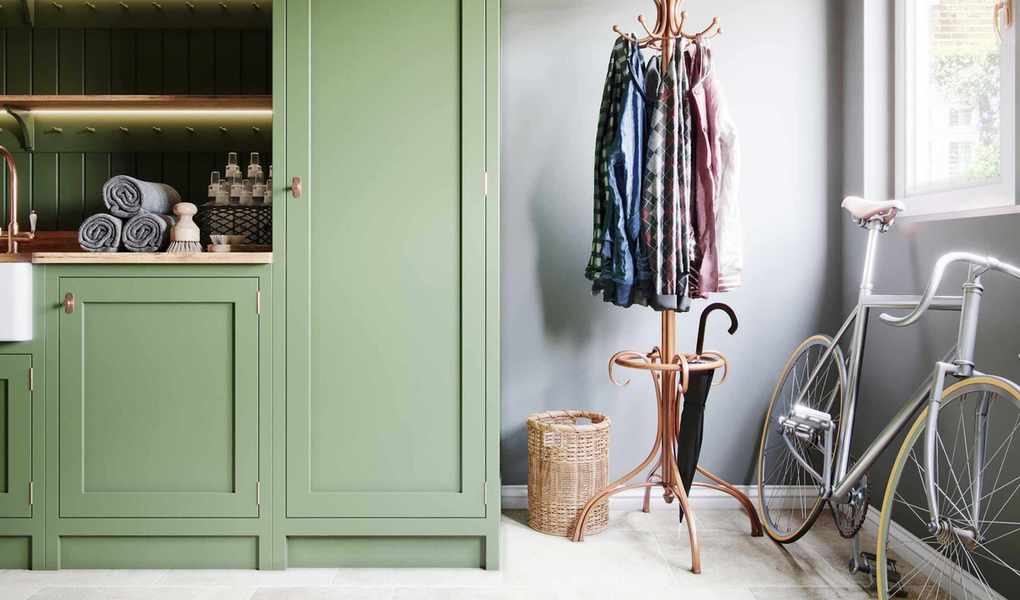
Shoes tend to accumulate everywhere. To prevent clutter in the entryway, keep only your most frequently worn pairs in a basket near the door and store the rest elsewhere. Consider using an over-the-door shoe organizer in another closet if space is tight.
You can also use a bench that fits well in the hallway to contain shoes. Aim to minimize the number of shoes in the entryway to create a more welcoming atmosphere.
To tackle coat and tote bag clutter, move any items that aren't in regular use or are out of season, and consider parting with some bags.
2. The Living Room
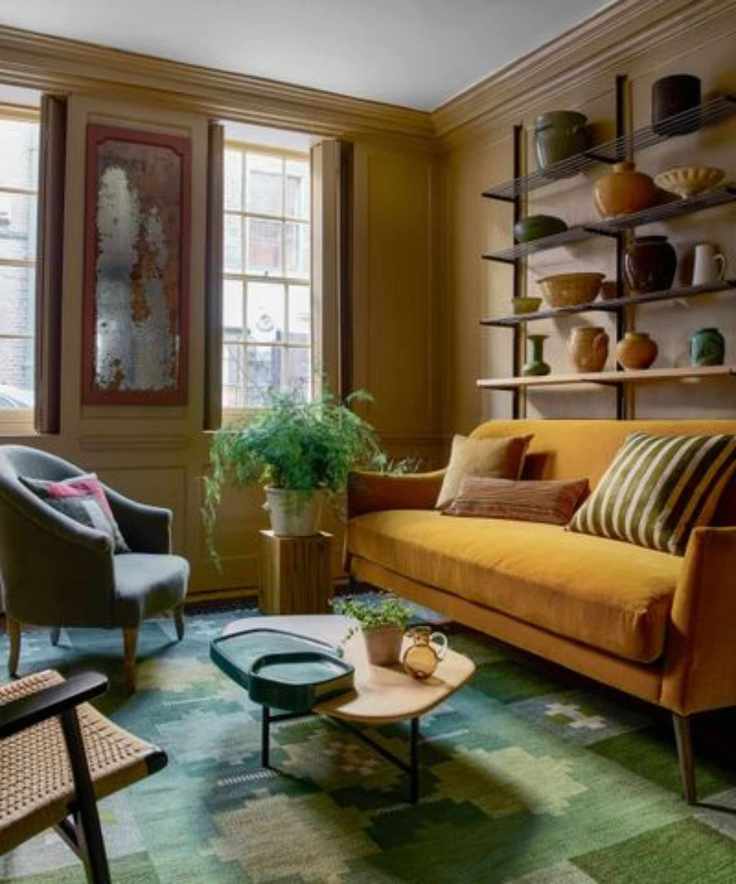
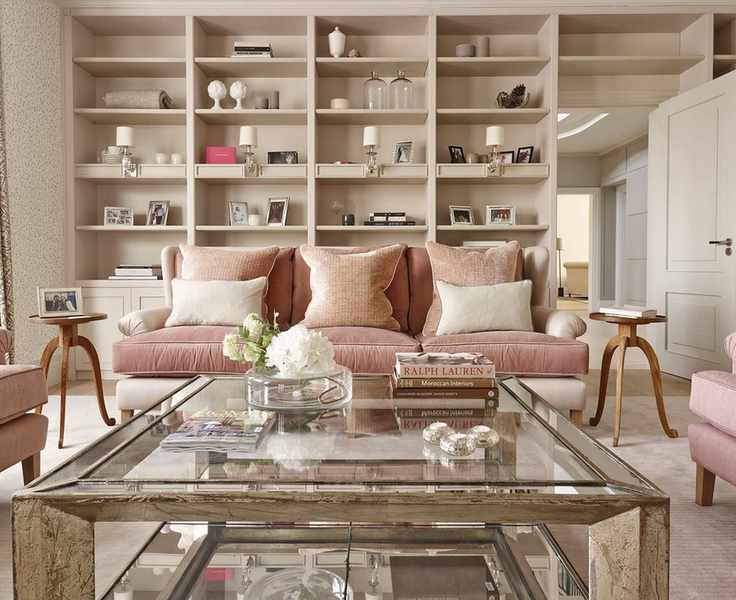
The living room often becomes cluttered due to its multifunctional nature. We tend to leave behind items like delivery boxes, coffee mugs, and mail as we pass through.
Try setting a timer for a five-minute cleaning challenge: snap a before-and-after photo to track your progress. Concentrate on clearing surfaces such as the coffee table, seating areas, and shelves. Use your living room storage solutions to discreetly stow away items like toys and cables.
If you prefer a structured approach, the 12-12-12 decluttering method categorizes items to discard, trash, or return to their rightful place, while the junk drawer organizing trick helps on busier days.
3. The Kitchen
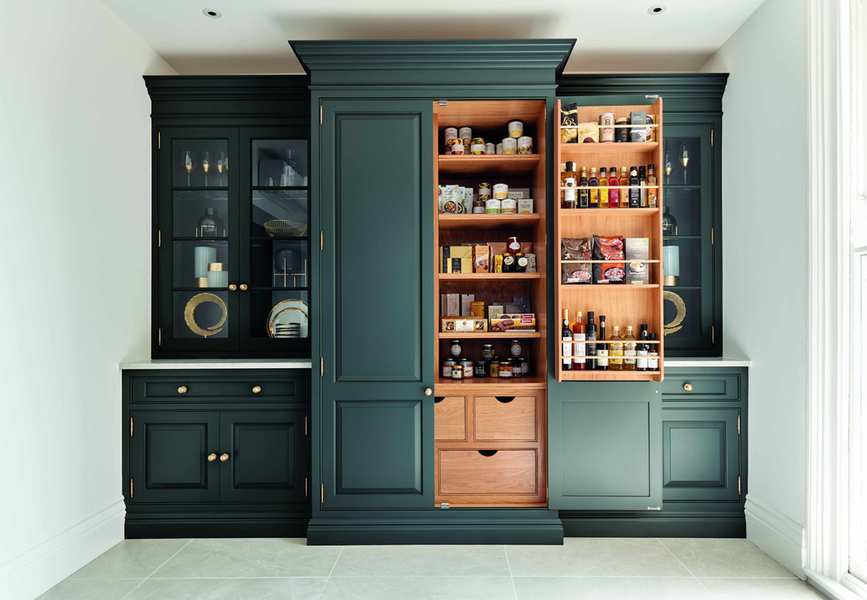
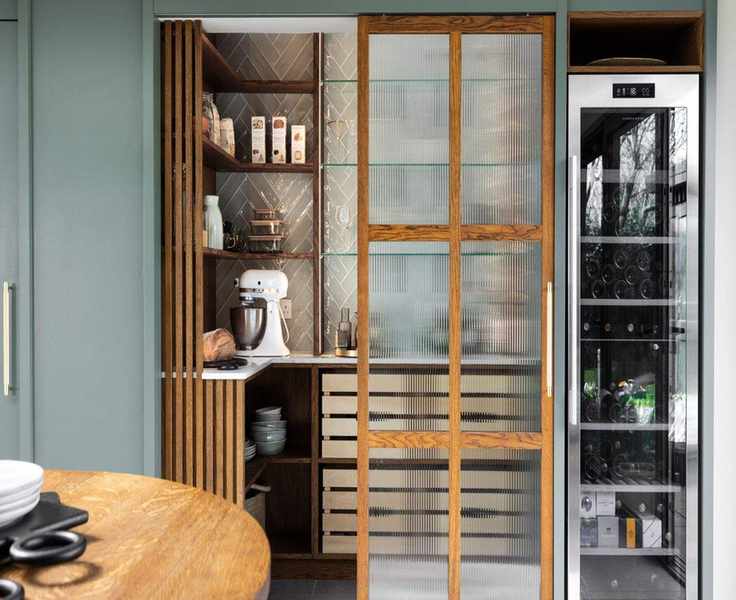
Start by addressing mismatched Tupperware and plastic containers.
“If I had a dollar for every time I opened a client’s drawer to find a jumble of Tupperware!” remarks a home organizing expert. A handy solution is a lid organizer that sorts lids by height, or an over-the-cabinet rack for easy access.
Before recycling extra containers, think about repurposing them for other storage needs around the house, such as organizing your junk drawer or pantry. You can even keep spare plastic utensils in your car for road trips.
For more tips, we compiled ten ways to organize Tupperware and containers, from stacking to using shelf risers.
4. Your Workspace
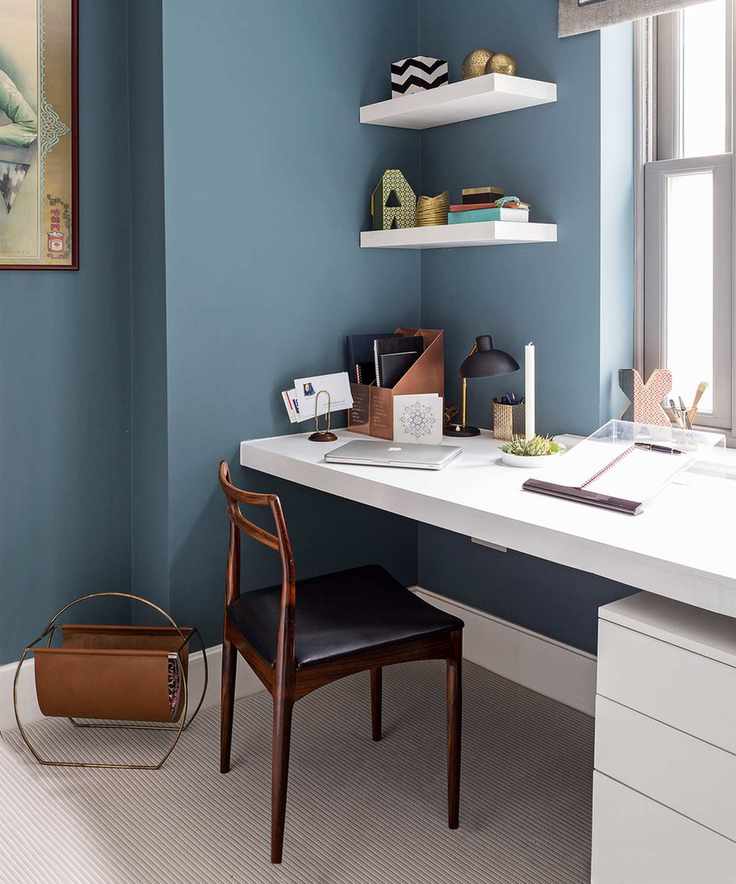
Managing cables can significantly enhance your workspace's appearance. If you don’t want to spend money, consider using a decorative basket to store extra cords.
In my office, I use cable clips to keep cords neat and tidy, preventing tangles. They can be affixed to your desk, monitor, or any suitable spot.
I also recommend a cable management box to conceal cords, making vacuuming easier and keeping your space looking tidy.
5. The Bedroom
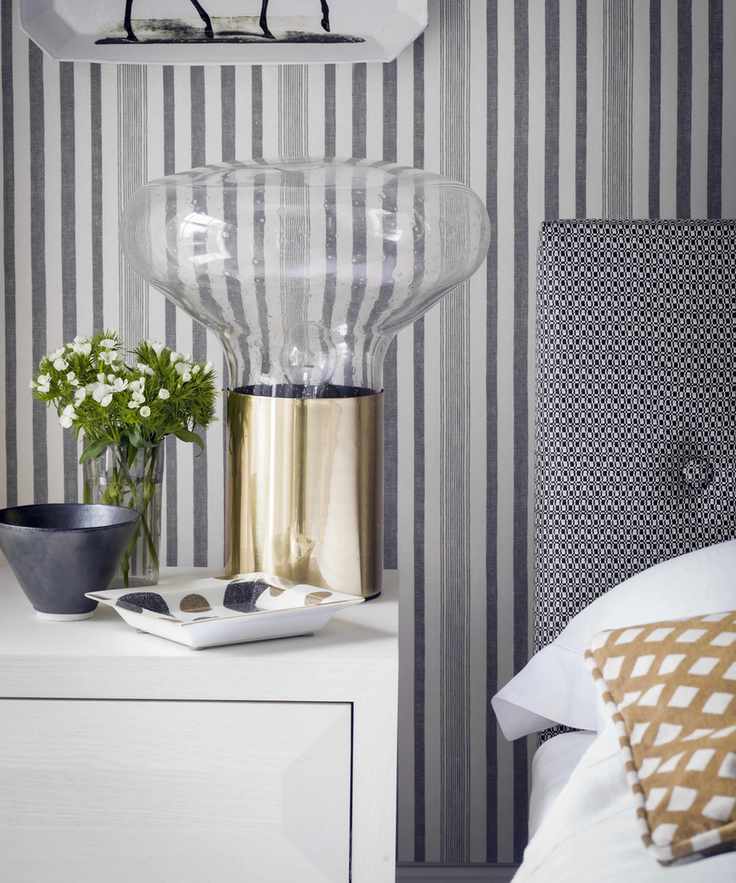
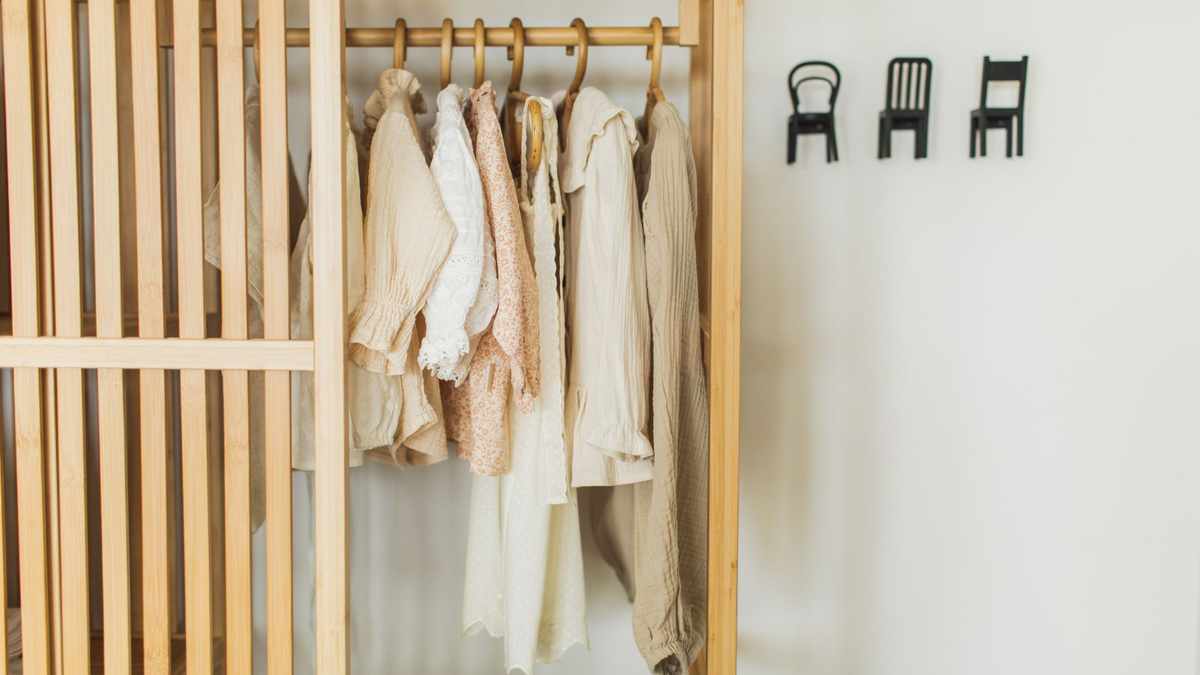
Maximalists may find this challenging, but consider reducing visual clutter in your bedroom. Too many decorative items can hinder relaxation, making it hard to unwind.
To quickly declutter, box up some decor to revisit later or relocate pieces to other areas of your home where they can shine without cluttering.
6. The Bathroom
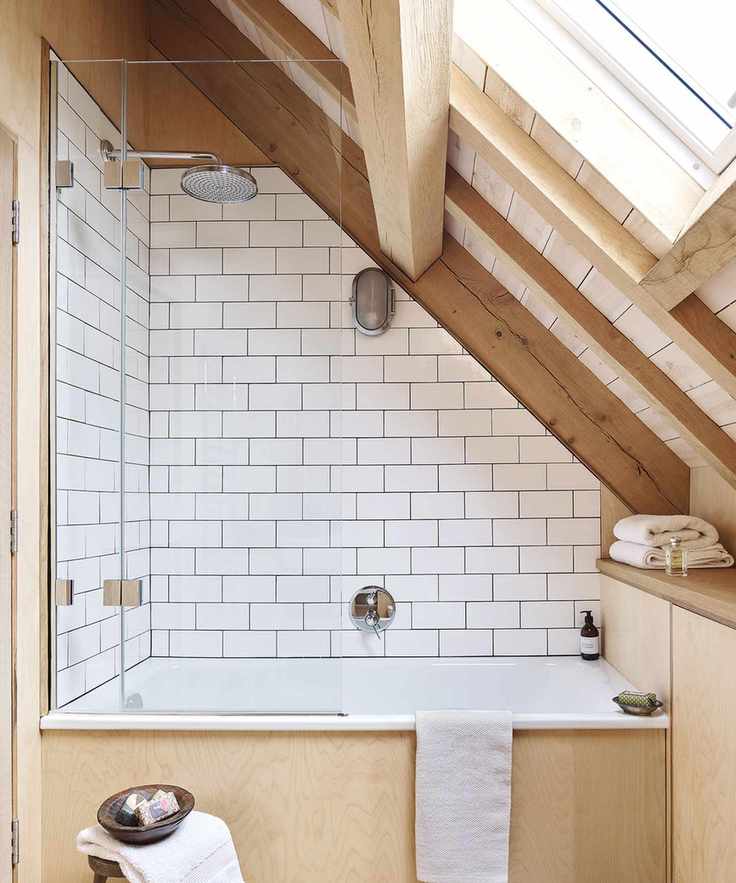
Organize backups of toiletries in their own designated space. While stockpiling essentials is smart, multiple bottles of mouthwash or toothpaste can unnecessarily crowd your vanity.
Consider storing extra items in a basket in a hallway cupboard for easy access without cluttering your bathroom. For tight spaces, a great option is a slim storage cart, perfect for squeezing into tight corners.
In a pinch, empty shoeboxes can serve as makeshift organizers for toiletries and hair tools.