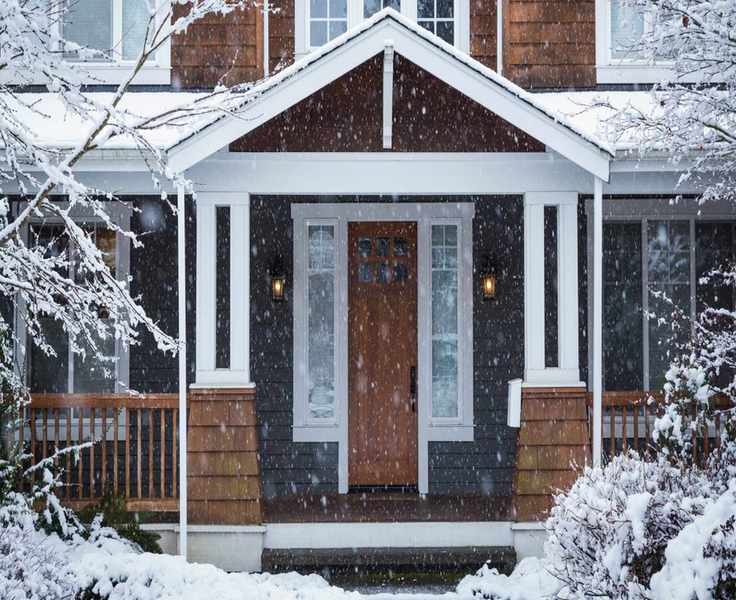

Buying a house right now? Here's what you need to know to navigate today's competitive real estate market and make an informed purchase.
With more time spent at home, many are reevaluating their living situations. The pandemic has reshaped what we want from our homes, emphasizing the need for dedicated workspaces, outdoor areas, and privacy. The compact urban living that once served well may now feel cramped, prompting a shift toward suburban or rural properties where space and affordability are more attainable. If you're contemplating a house purchase, now might be the right time.
A recent survey from a real estate platform revealed that 75% of buyers felt the pandemic has influenced their housing plans, with 25% accelerating their timelines. The demand for specific features has altered too: 21% desire a home office, 21% seek outdoor spaces, 13% want larger yards, while another 13% are looking in different locations. Financial strains have also prompted 17% to look for less expensive options. Remote work flexibility may provide opportunities to move to more affordable areas without the burden of long commutes.
As you consider purchasing a home, reflect on how your needs might evolve and carefully evaluate your financial situation, especially amidst economic uncertainty. With heightened interest in properties outside urban centers, it's crucial to prepare your finances to seize opportunities and benefit from low mortgage rates. Essentially, be ready to compete in a dynamic market.
Think Long Term: Beyond the Present Moment
Will your job require a return to the office? What about your children's schooling? These are important considerations when contemplating a significant move and the associated costs. Buying a home is a substantial financial commitment, and you'll want to ensure it remains appealing both now and in the future. You don't want to be stuck with a lengthy commute if your office reopens.
Clarify Your Budget
While realtors might show properties over your budget, they don't handle the payments. Focus on homes within your financial limits. Lenders typically prefer a debt-to-income ratio of 43% or less. To determine this, calculate your total monthly debt payments and divide by your gross income. Just because you qualify for a larger loan doesn't mean you should take it. Assess how mortgage, taxes, and insurance fit into your budget, especially considering potential job instability. Being conservative with borrowing is wise, even with low interest rates.
If you're experiencing financial strain, downsizing to a more affordable home can help stabilize your finances. Consider using any profits from selling your current home to bolster savings and reduce monthly expenses.
Engage with a qualified real estate agent early to evaluate your budget and timeline for saving a down payment. In competitive markets, it's beneficial to know strategies to make your offers stand out.
Account for Additional Homeownership Costs
When moving to a new area, don't overlook the additional costs that come with homeownership. Beyond your mortgage, you'll need to budget for property taxes, insurance, upgrades, and ongoing maintenance. New expenses, such as changes in car insurance rates or commuting costs, may arise from relocating. An initially cheap home could result in higher long-term expenses.
Save Extra Cash
The pandemic has underscored the importance of emergency savings. If you aren't selling a home with significant equity, you need to save for a down payment while maintaining your other savings. Lenders generally expect a 20% down payment to avoid private mortgage insurance. Additionally, set aside funds for repairs and unforeseen costs associated with homeownership. Aim to keep at least six months' worth of expenses saved as a safety net during economic downturns.
Maintain Good Credit
Many face financial challenges due to the pandemic, which can adversely affect credit scores. If you're struggling with payments, reach out to creditors before missing any dues to safeguard your credit rating. This is essential for qualifying for favorable mortgage rates, whether you buy now or later. Checking your credit report regularly can help you identify any inaccuracies or suspicious activity. Consider freezing your credit with the major bureaus to prevent unauthorized access, a free step that won't impact your score. You can obtain a free copy of your credit report annually from each bureau at www.annualcreditreport.com.
Enhance Your Credit Score
Your credit score significantly impacts your mortgage rate. The most commonly used score ranges from 300 to 850, with a score of 740 or higher typically needed for the best rates. Even if your report looks solid, understand how it translates into your score. You can view your credit score for free on several platforms. While these scores may differ from those used by lenders, they can offer insight into your standing and areas for improvement.
Timely bill payments are crucial for a healthy score, and your credit utilization ratio also plays a key role. Aim to keep your credit card balances under 30% of your available limit, and consider reducing this further before applying for a mortgage. For more information on improving your score, visit www.myfico.com/credit-education.