
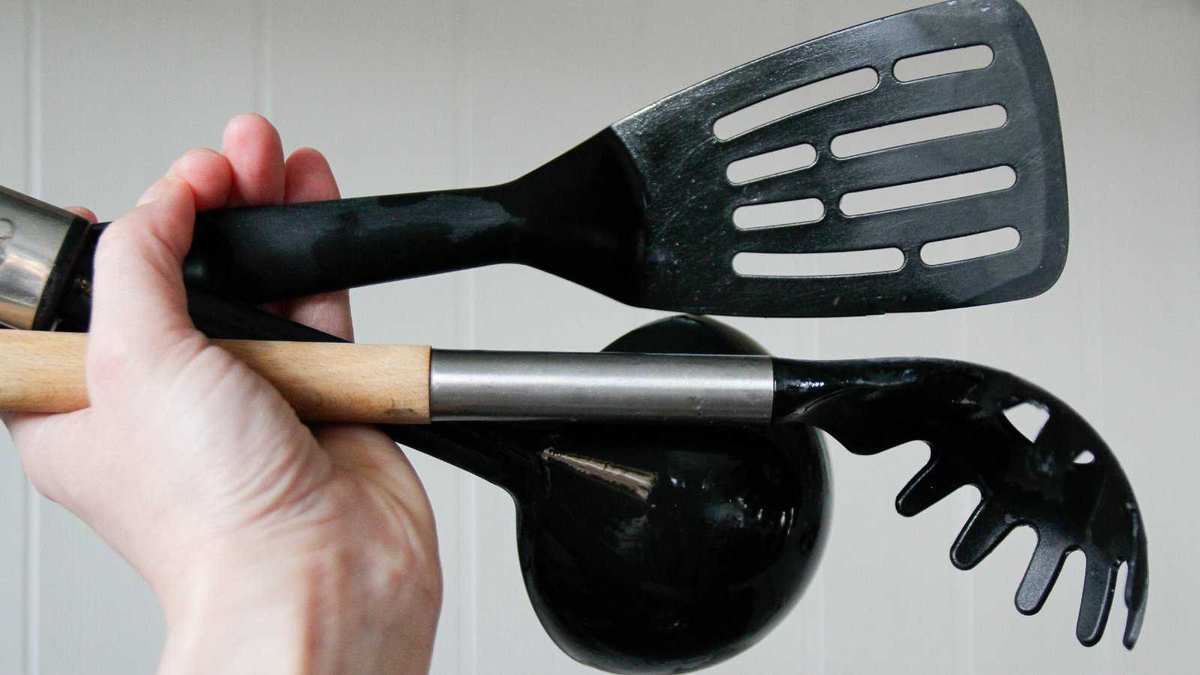
You might have seen the concerning reports about black plastic recently. A study in Chemosphere indicated high amounts of harmful flame retardants in black plastic kitchen items. However, it was later revealed that the researchers miscalculated the 'maximum exposure' limits, which could have exaggerated the actual dangers. This may leave you puzzled about what to do with your black plastic utensils.
In my quest for non-toxic air fryers and through conversations with toxicologists, I discovered that managing plastic in kitchens isn't as complex as it seems. If your goal is to minimize any risk of toxins leaching into your food, the safest route is to steer clear of black plastic altogether. If you prefer to keep your existing tools, be cautious: avoid heating them and regularly inspect them for any signs of wear, such as peeling or chipping, which could contaminate your meals.
As someone who values health, I'm using the New Year as a chance to refresh my kitchen tools. Here's how I'm assessing my black plastic utensils, identifying which ones to discard, and what options I'm selecting for a safer kitchen in 2025.
Getting Started
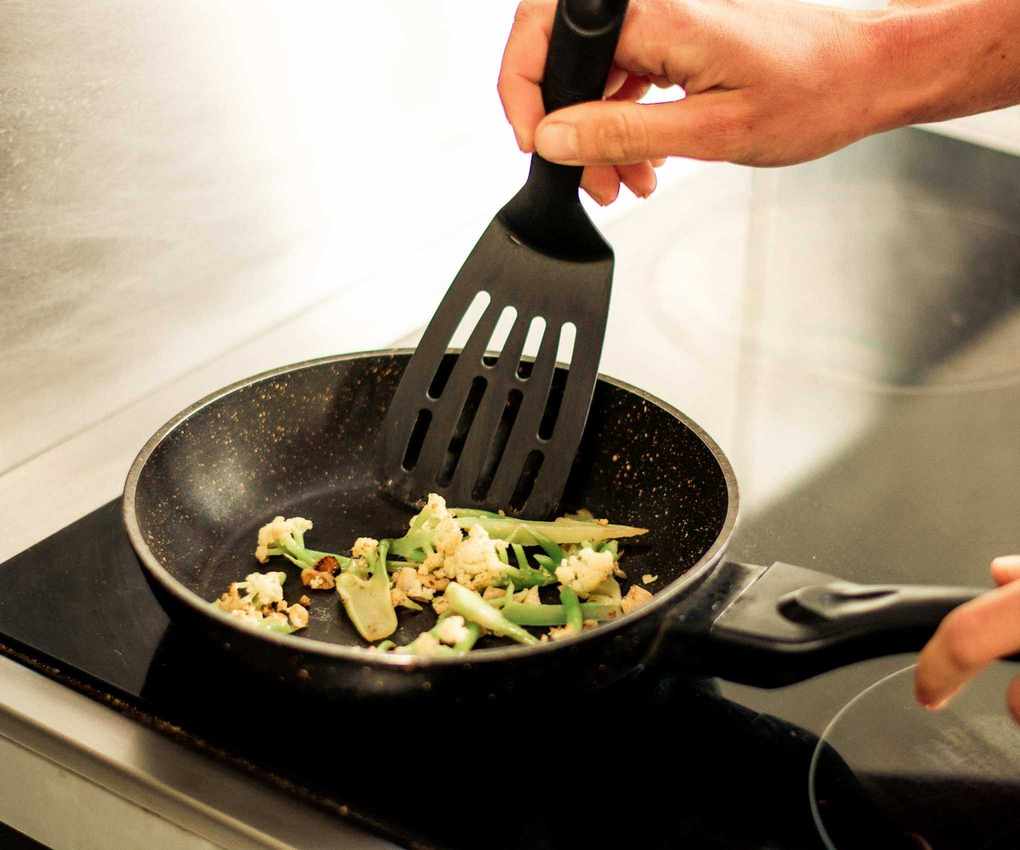
Begin by surveying your kitchen for all black plastic items. You might find a spatula near the stove, a slotted spoon in a drawer, or even some plastic-lined travel mugs at the back of your cupboard.
If you're unsure which items are plastic, look for specific characteristics. Black plastic tends to be smooth, hard, and generally inexpensive. If you find black silicone, it will have a more rubbery and flexible texture.
Next, inspect your utensils for damage. Signs like peeling, chipping, or deep scratches indicate deterioration, which raises the risk of chemicals leaching into your food. Additionally, consider whether the item will come into direct contact with heat during cooking or serving, as this increases the toxicity risk, making it a candidate for disposal.
Items I Discarded
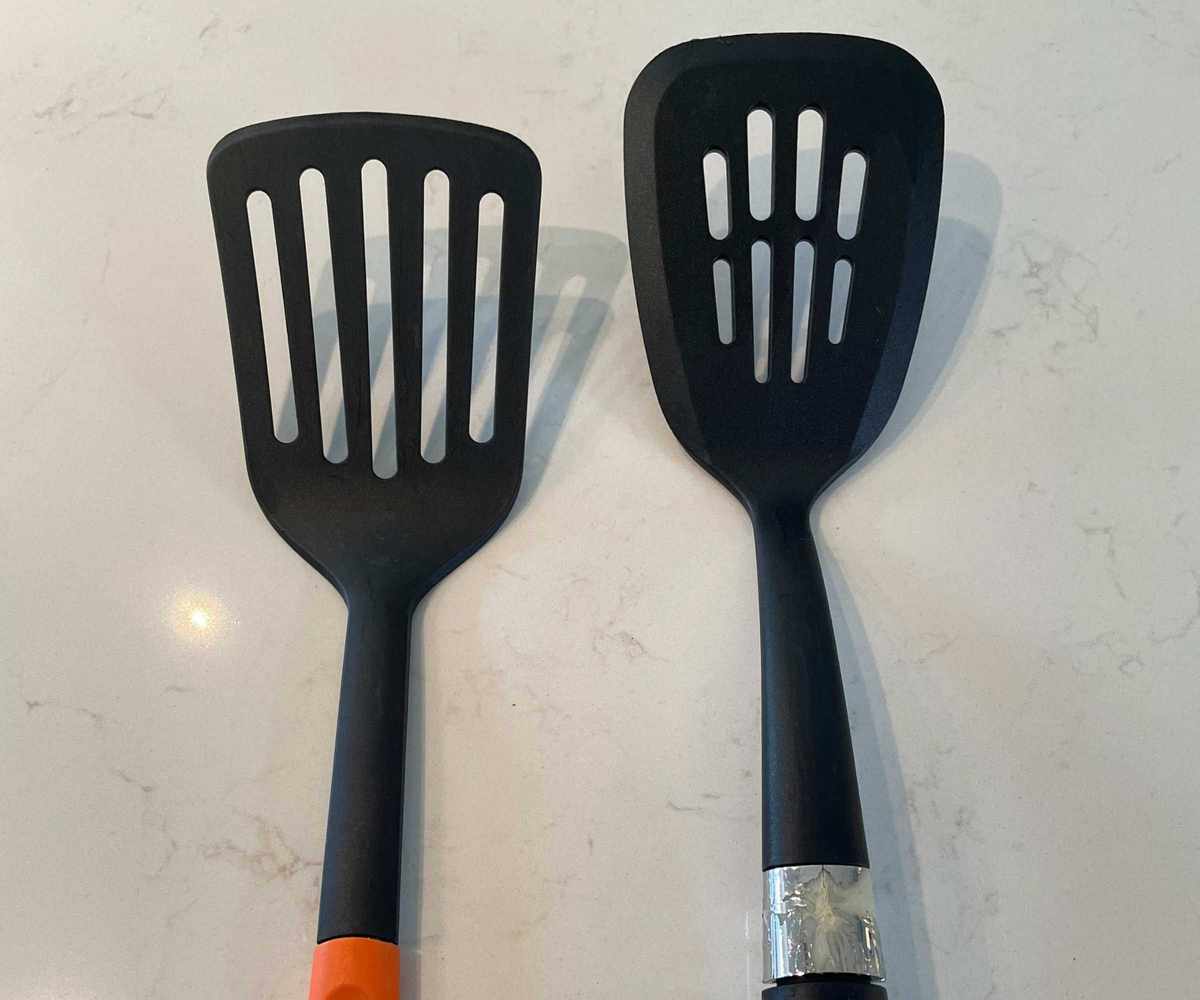
I uncovered two black plastic spatulas tucked away in my kitchen drawers. Since these will be exposed to high heat and food in a frying pan, I'm concerned about the potential toxicity. I also noticed that one spatula had a chipped silver handle, which could end up in my meals.
Items I Kept
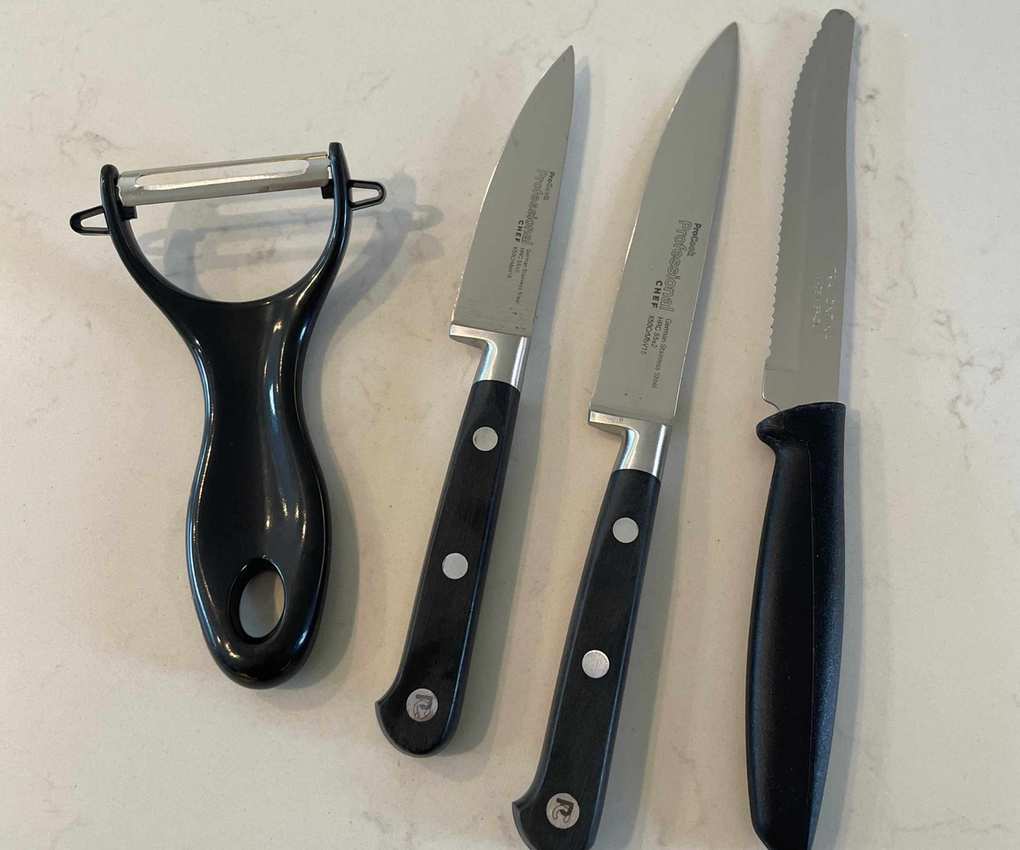
There were additional black plastic tools in my cutlery drawer, but I'm not worried about these. They won't touch food or heat directly, and their handles are in good shape without any signs of damage.
What to Do with Old Black Plastic Utensils?
Unfortunately, black plastics aren't recyclable. You can throw them in the trash (though it's not the most eco-friendly option since they'll likely end up in a landfill). Alternatively, consider adding them to your DIY box for projects like stirring paint.
Recommended Replacements
Choosing replacements is straightforward. Various materials (like stainless steel, BPA-free silicone, bamboo, and wood) can serve you well if cared for properly. Here are my top recommendations:
Oxo Good Grips Stainless Steel Kitchen Tools
Oxo produces some excellent utensils. This six-piece set features stainless steel construction with soft-grip handles. They're dishwasher-safe and come with a convenient caddy. Just avoid using them on non-stick surfaces, as stainless steel can damage the coating, leading to potential toxicity.
New Star Foodservice Fish Spatula
After consulting chef friends, I learned this is the best spatula available. It's made from thin, flexible stainless steel, perfect for flipping delicate items like fish, eggs, and pancakes. Just remember, it's not suitable for non-stick pans.
Our Place Silicone Utensil Essentials
This silicone set is safe for non-stick frying pans and air fryers. Each utensil is BPA-, BPS-, and phthalate-free and produced without lead or cadmium. Plus, they're also dishwasher-safe.
Our Place Beechwood Spatula
My beechwood spatulas are fantastic for stirring sizzling onions and sauces, made from 100% natural materials. You can use wood on any frying pan type. To prolong its life and prevent cracking, rub it with food-grade oil when it feels dry.
Gray Kunz Sauce Spoon - Original
Replace a plastic spoon with this elegant stainless steel version. This favorite among chefs is ideal for stirring sauces, plating, and basting in professional settings. You won't regret it.
Williams Sonoma Stainless-Steel Silicone Slotted Turner
Materials used for this turner are selected for safety. The retailer assures that the silicone head and 18/10 stainless steel handle meet California Prop 65's stringent food safety standards.
If you want more tips on creating a clean, healthy kitchen, check out my guide on the best non-toxic kitchen appliances for 2025, which covers top air fryers, frying pans, coffee makers, and more.