
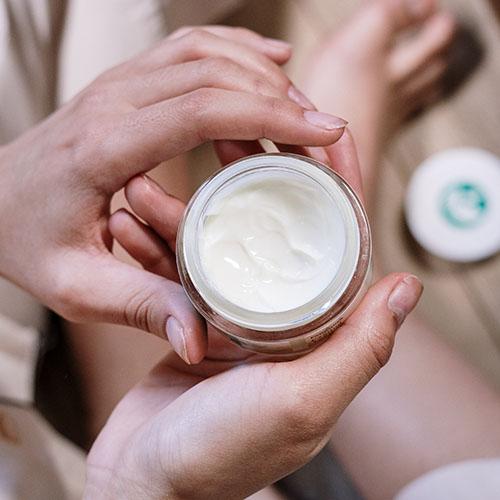
Ever seen an ad proclaiming, "Now with retinol!" and thought, "What's the big deal?" You're not alone. Many people hear about retinol as a must-have in skincare, but what makes it so special? Let's uncover the facts.
Understanding Retinol
Simply put, retinol is a form of vitamin A. It belongs to a category called retinoids, which come in various forms and strengths.
Some products contain a specific retinol known as Retin-A, which requires a prescription. No need to fret, though; there are plenty of over-the-counter options that feature gentler yet effective retinol.
Why Is Retinol a Skincare Favorite?
What gives retinol its reputation as an anti-aging wonder? Its ability to multitask is key.
Retinol helps exfoliate dead skin cells, boosts collagen production, and repairs sun damage simultaneously. These benefits are crucial for maintaining youthful, vibrant skin.
Additionally, it can help balance your skin tone, effectively reducing both wrinkles and dark spots.
Using Retinol Effectively
As with any skincare product, there are smart ways to use retinol and others that can lead to irritation. Follow these tips to maximize its benefits while minimizing potential side effects.
1. Start Slowly
Retinol can be harsh if you dive in too quickly. Begin with lower concentrations to ease your skin into it.
Consider using a product like Biopelle Retriderm Serum Mild 0.5%, applying it just once a week at first.
After a few weeks, increase usage to twice a week. Monitor your skin's response, and if you feel comfortable, you can gradually switch to a stronger formulation.
If irritation occurs, dial back your usage, particularly if you have conditions like eczema or rosacea. Take your time to let your skin adjust.
2. Choose One Product
There's a wide variety of retinol products available, including serums, creams, and masks. While it may seem logical to layer several, it's best to start with just one.
Once your skin adapts to twice-weekly application, wait a month before introducing another retinol product. Always keep an eye on your skin for any signs of inflammation.
3. Stay Consistent
Skincare isn't an instant fix. You can't expect to use retinol once and see miraculous results overnight.
Patience is essential. Regular use is required to see improvements, especially with gentler formulations. If you have an event coming up, begin incorporating retinol well in advance to achieve your desired look.
4. Opt for Quality
This is true for all skincare, but with retinol, it's critical: not all products are equal.
Success depends not only on the concentration but also on the formulation and preparation of the retinol. Aim for high-quality products with positive customer feedback, and consider consulting your dermatologist for recommendations.
5. Use at Night
Retinol and sunlight don't mix well. It can degrade in UV light, decreasing its efficacy and making your skin more susceptible to sun damage.
The solution? Apply retinol products at night. Always pair it with a broad-spectrum sunscreen of SPF 30 or higher, as even nighttime use can leave your skin sensitive.
6. Don't Forget Moisturizer
Moisturizing is crucial, particularly when using retinol.
Retinol can dry out your skin, so applying a soothing moisturizer daily will help mitigate this effect. This is especially important for those prone to dryness.
Embrace the Retinol Benefits
As time passes, it affects all of us, but your skin doesn't have to show it. Retinol products are excellent for treating existing signs of aging and preventing new ones. With these tips, you can effectively harness the power of retinol!