

If you're looking to revive your succulent, you're in luck. Even a wilting plant can bounce back with some care and attention.
Succulents are popular among plant enthusiasts due to their unique shapes, attractive leaves, and low-maintenance qualities. Their resilience makes them ideal for those just starting with indoor gardening.
However, proper care is essential. If your succulent appears unhealthy, with shriveled or discolored leaves, there are straightforward methods to help it recover.
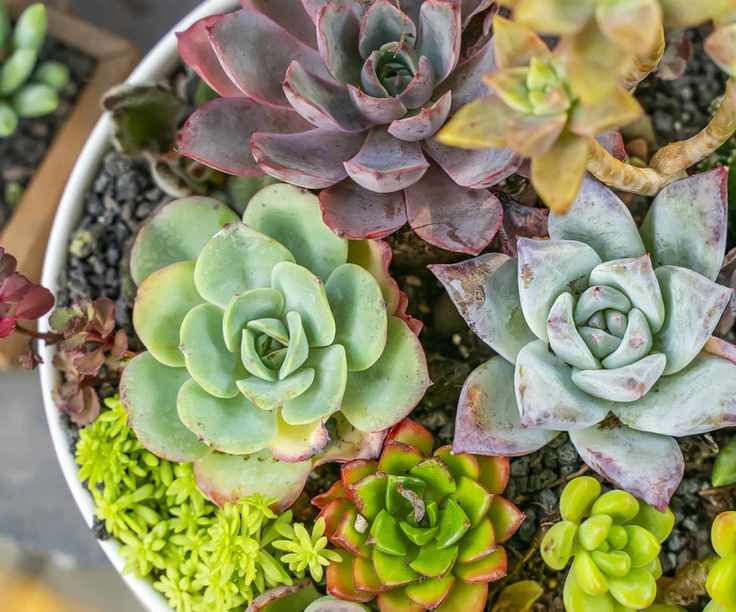
Reviving a Succulent in 6 Steps
If your succulent is looking sad, try these six effective tips to help it thrive again.
1. Identify the Issue
Start by figuring out what's affecting your succulent. Factors to evaluate include soil condition, light exposure, and watering habits. Pay close attention to the moisture in the soil; shriveled leaves suggest dehydration while droopy leaves may indicate overwatering.
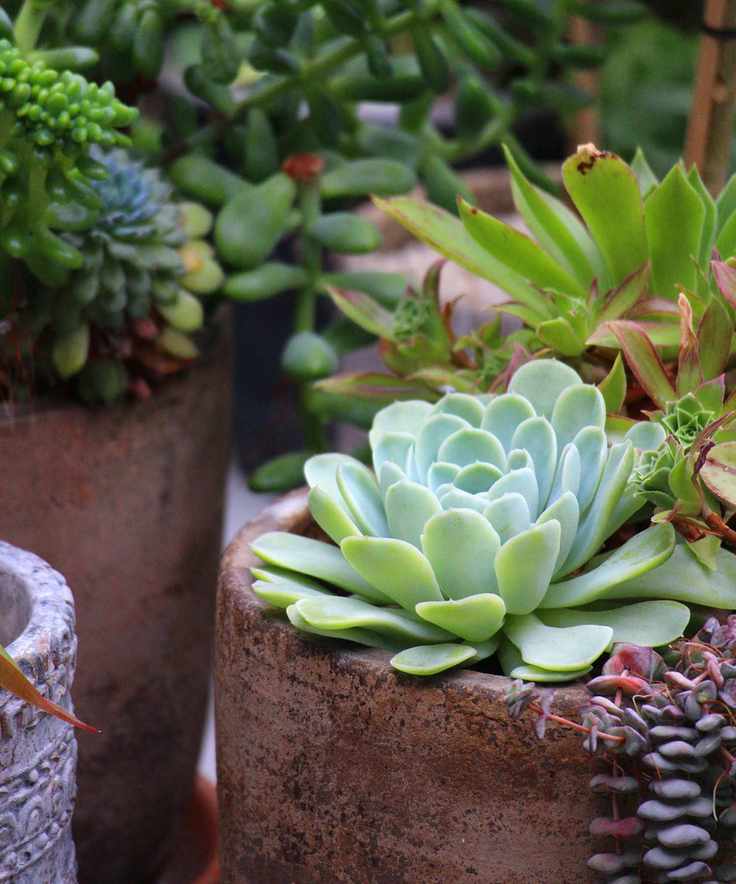
2. Adjust Your Watering Routine
Most issues with succulents arise from improper watering. To check the soil, insert your finger; if it feels dry, it's time to water. If it's damp, hold off for another day. Though succulents can occasionally suffer from underwatering, they are drought-resistant. Water only when the soil feels dry, and avoid overwatering to prevent root rot. Typically, most can go two to three weeks without water, particularly in colder months.
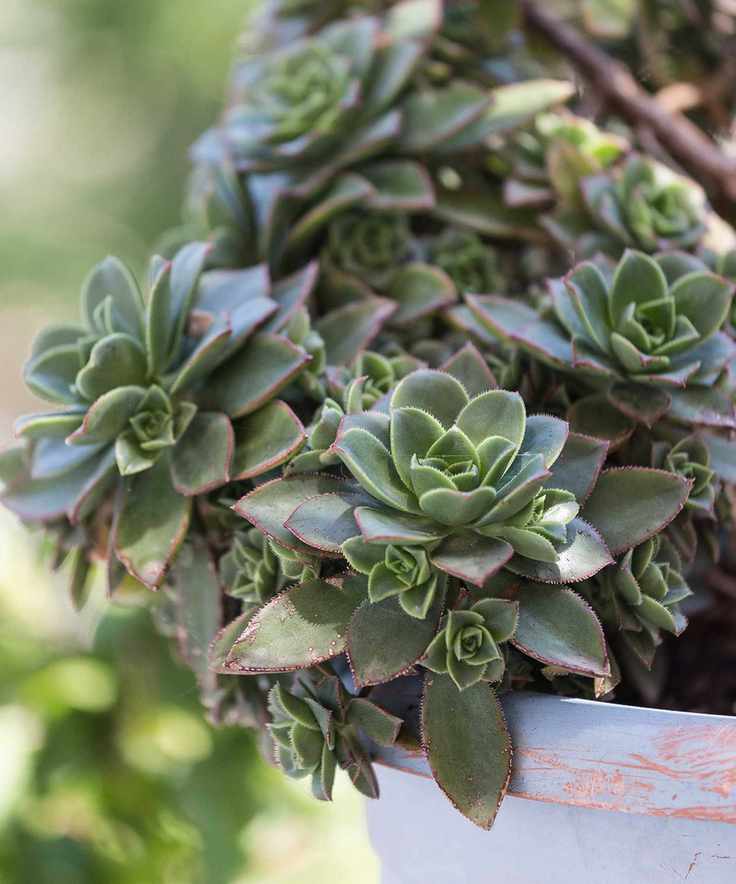
3. Relocate Your Succulent
While they're generally easy to care for, succulents need sufficient light. They thrive in indirect sunlight and should receive at least six hours of exposure daily. If your plant is shaded, move it to a sunlit windowsill to encourage growth.
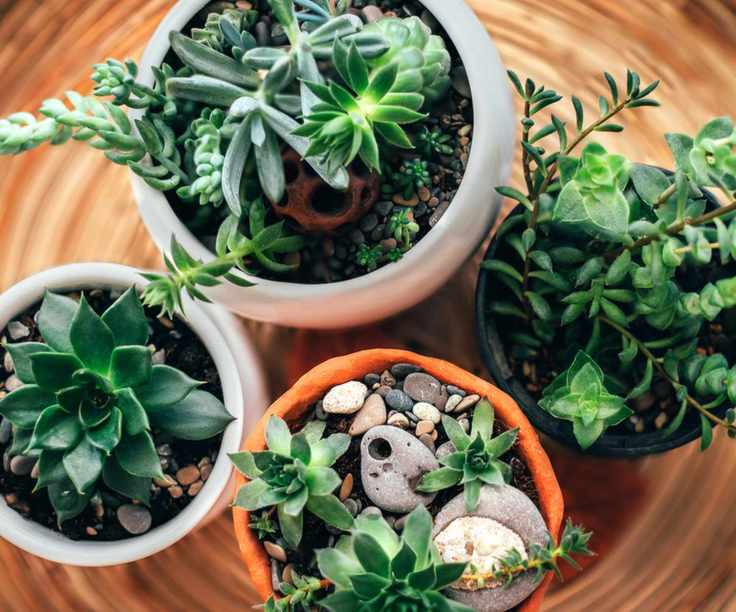
4. Repot if Necessary
Your succulent might need a new pot if it has outgrown its current one. When roots start to grow through the drainage holes, or if the plant is too large for its pot and topples over, it's time to repot.
5. Fertilize Occasionally
Like other houseplants, succulents benefit from occasional fertilization. It's recommended to fertilize every three months with a product designed specifically for succulents.

6. Check for Pests
Lastly, inspect your succulent for pests. Look out for small white or brown spots on the leaves, which may indicate scale, aphids, or mealybugs. These can be treated with insecticidal soap.
FAQs
Can a succulent heal on its own?
Yes, with proper care, a succulent can recover. Ensure it gets the right amount of light, water, and nutrients. Give it some time, and you should notice improvement.
Reviving succulents is straightforward. Once you grasp the basics, these tips can apply to your other houseplants as well. Their simple upkeep means they can even surprise you by bouncing back on their own with a bit of patience.