
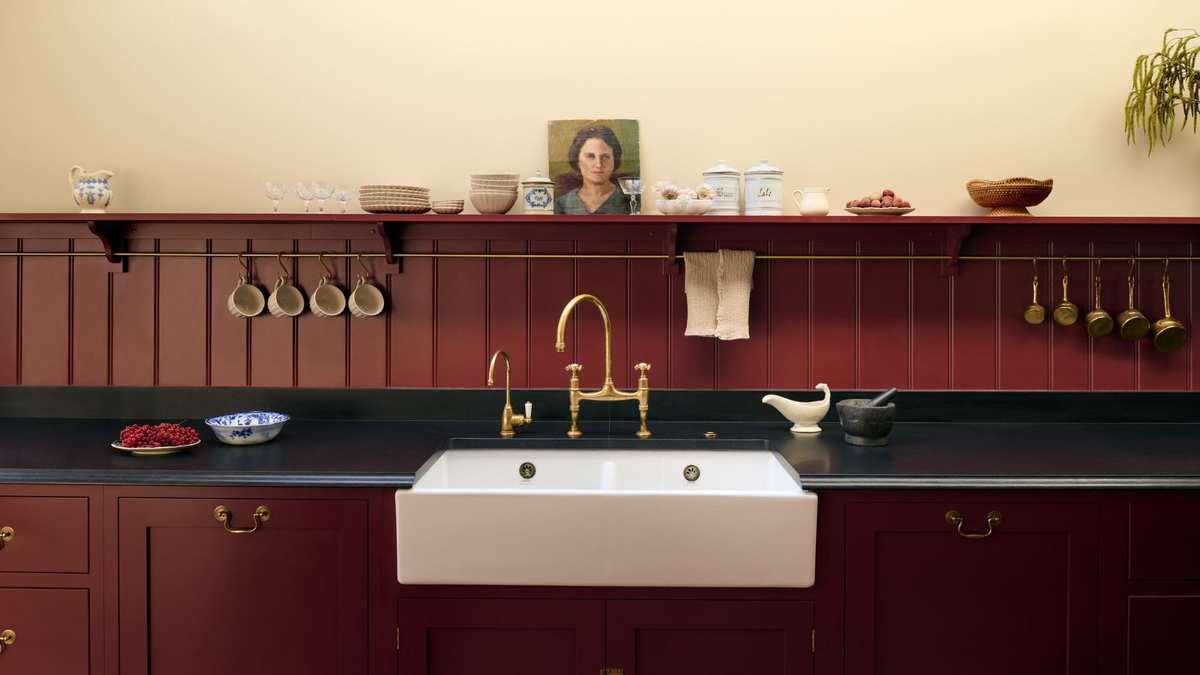
Recently, I've noticed a delightful trend in kitchens—paneled backsplashes. Where tile and stone once dominated, wood is stepping in to add warmth.
While paneled wood backsplashes may seem nostalgic, often found in rustic kitchens, they fell out of favor as trends shifted towards bold stone and subway tiles. However, 2025 is bringing back these once-loved elements, with paneling now extending beyond cabinetry.
I spoke with designers to uncover why paneled backsplashes are resurging and whether they're practical for such a key design feature.
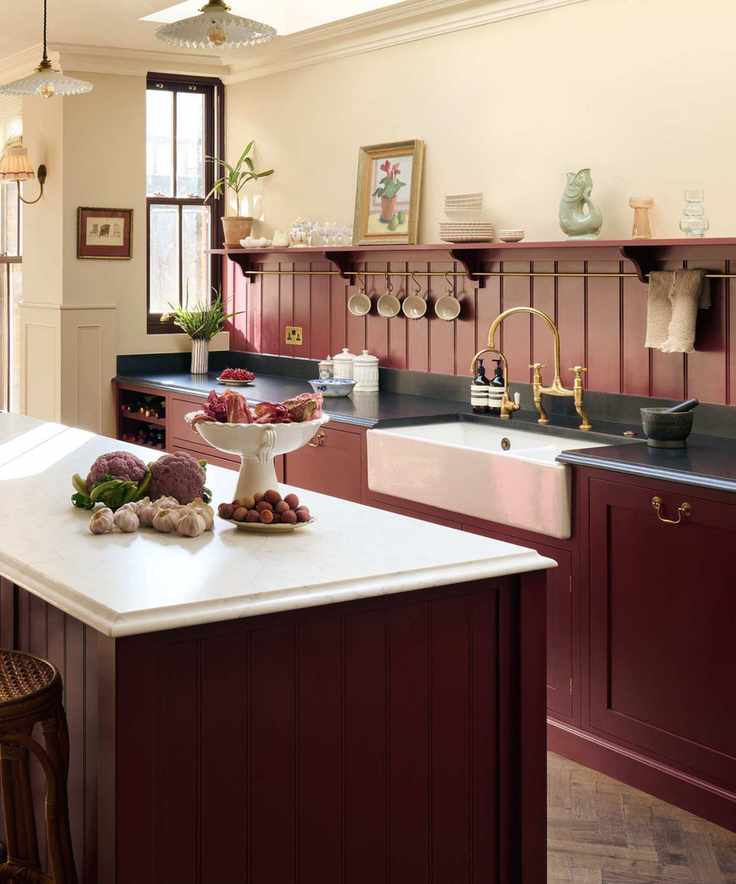
Paneling remains one of the most classic wall finishes that can transform any space. From bedrooms to living areas and even hallways, it's become a favored choice for adding texture and depth.
As our kitchens evolve to feel more like cozy, lived-in spaces, it's no surprise that paneling is increasingly finding its way into kitchens.
According to interior designer Christopher Boutlier, 'A paneled backsplash exudes understated elegance; it's simple yet feels purposeful and refined. It's more architectural than merely decorative, which is likely why it's trending right now.'
He adds, 'Clients are leaning towards kitchens that possess a timeless quality. Paneling embodies that sentiment, with its roots in traditional craftsmanship, providing a sense of history even in modern settings.'
This trend aligns with the shift towards more inviting kitchens that blur the lines between utility and comfort, transforming them into multi-functional gathering spots.
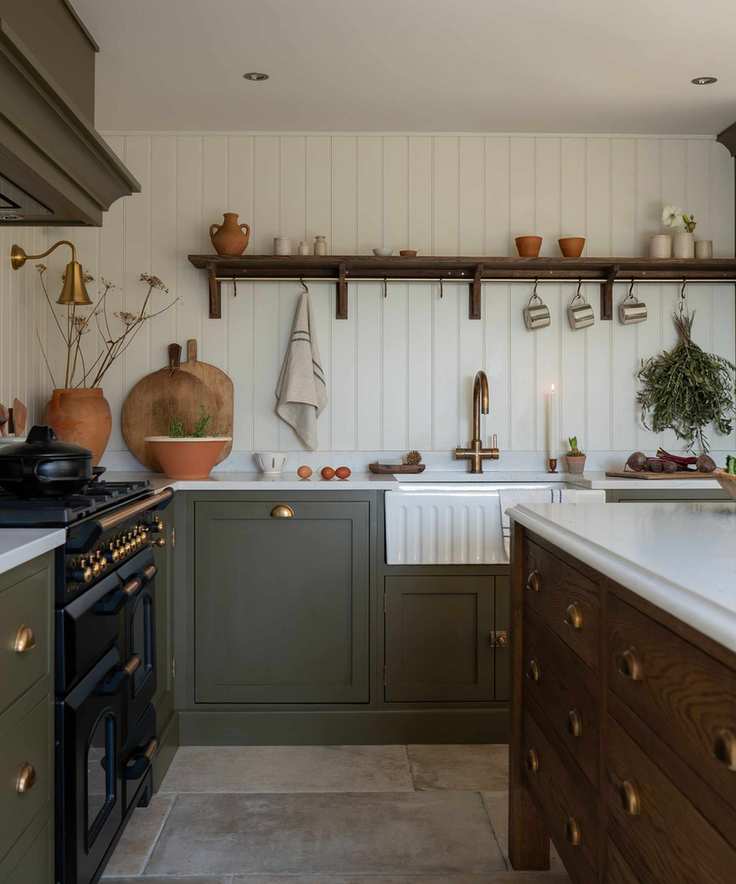
Richard Davonport, managing director at Davonport, notes, 'The rise of paneled backsplashes reflects a broader movement towards kitchens resembling living areas. Paneling is a familiar architectural element that enhances the blend of practicality and comfort, especially when complemented by open shelves or painted in warm tones.'
Moreover, using paneling creates a curated vibe typical of cozier spaces, particularly when it harmonizes with the existing colors and materials.
'It's incredibly cohesive. When the backsplash matches the cabinetry, the kitchen feels like a unified piece rather than a collection of competing elements,' Christopher explains.
'This unity is especially beneficial in open-plan homes, where the kitchen is visible from other areas. It offers a calming effect without drawing too much attention, enhancing the overall ambiance.'
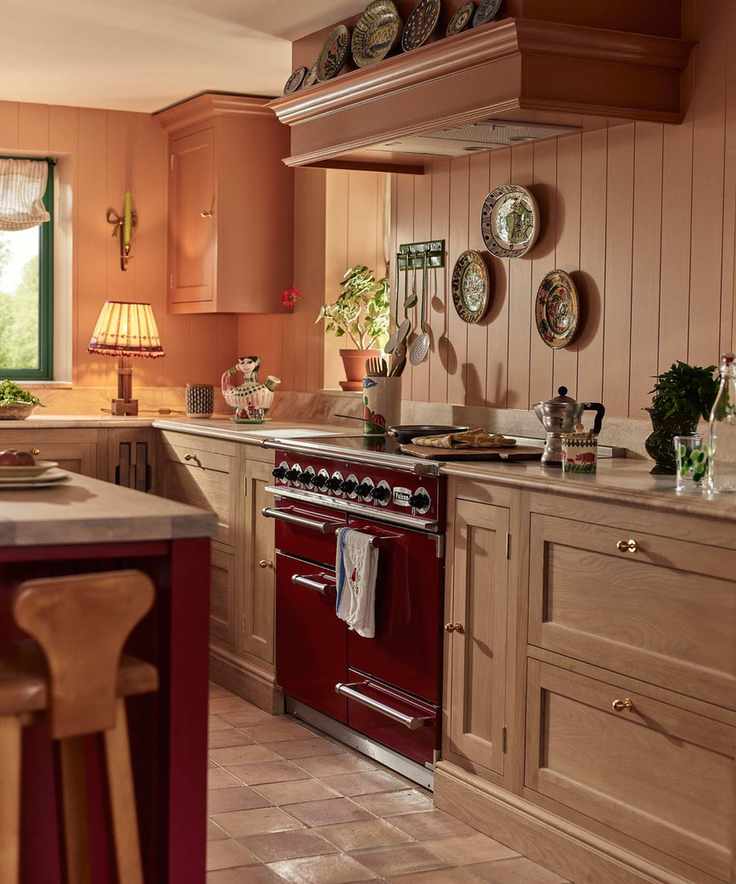
However, there are practical considerations to keep in mind. Since paneling is made from wood, which can be less resistant to water and stains, it's essential to assess its suitability for your kitchen.
'Many panels are constructed from MDF or wood veneer, which can be sensitive to moisture and grease. Be realistic about usage; I wouldn't recommend placing it behind a stove without a protective glass or stainless steel barrier,' Christopher cautions.
'In lower-impact areas, like behind a sink or around open shelves, it can thrive, especially if finished with a durable satin or semi-gloss that can withstand daily cleaning.'
Proper installation is also vital. 'Ensure that installation, sealant, and ventilation are executed correctly. Poor execution can lead to warping from moisture,' warns Maggie Goodrich of Third Street Architecture.
'For longevity, seal all edges and consider a robust paint or clear finish based on your choice. Good ventilation and regular cleaning will help maintain the surface over time,' Richard suggests.
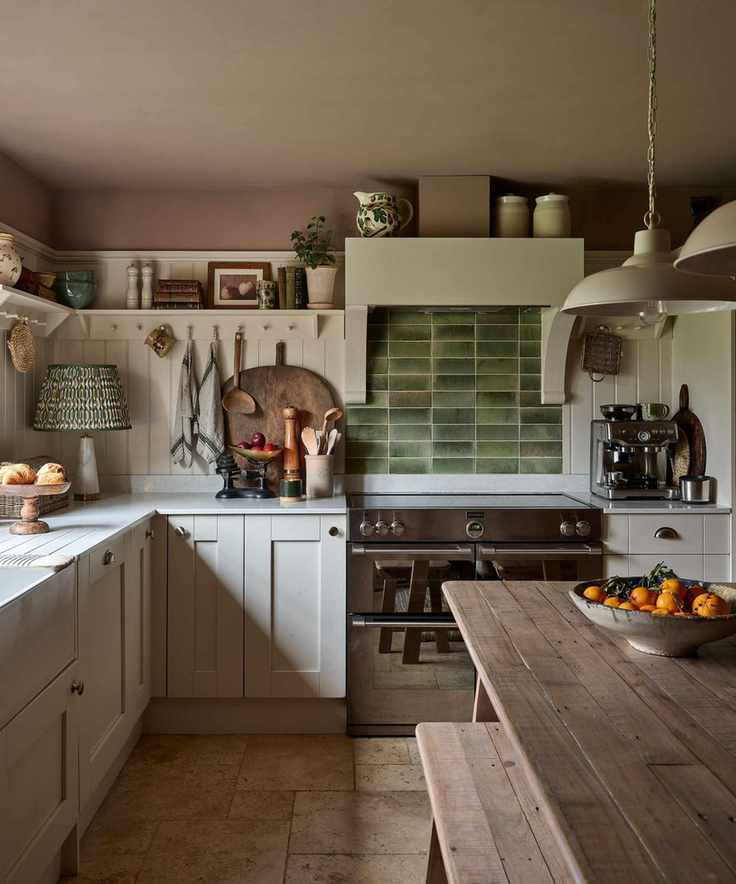
If practicality is a concern, there are stylish ways to incorporate paneling without compromising durability.
'Paneling can coexist beautifully with tiles,' shares Grazzie Wilson, head of creative at Ca' Pietra. This combination can enhance both aesthetics and functionality.
'That glossy green tile? Stunning. But it wouldn't shine as brightly without the understated paneling flanking it. It creates a layered, curated kitchen feel—never too matching, just the right balance.'
In conclusion, despite some practical drawbacks, these kitchens showcase that paneled backsplashes can be a timeless and charming feature when done thoughtfully. This approach emphasizes creating a personalized, inviting kitchen rather than a sterile environment filled with cold materials.
There are simplified options available too. Paneling kits offer an easy route, like this set of 6 Nickel Gap Shiplap Panels. You simply need to trim the lengths to fit, eliminating the hassle of cutting panels from scratch.
As Christopher emphasizes, 'Treat paneling like any other kitchen material: understand its strengths and limitations, and apply it wisely. When executed well, it introduces subtle texture, warmth, and a sense of history without overwhelming the design.'