
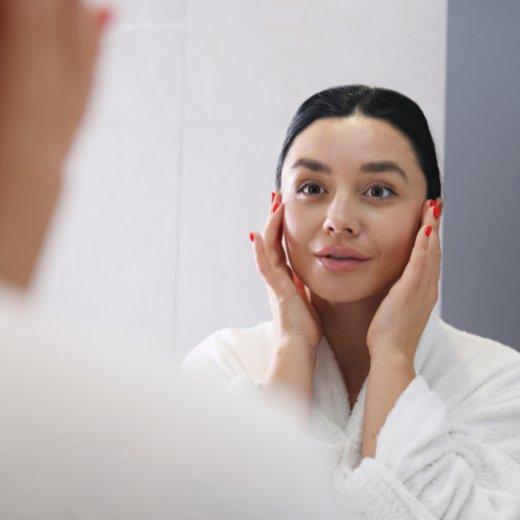
Achieving that radiant glow is easier with a well-chosen facial peel. Once exclusive to spas and dermatologists, these effective treatments are now accessible for at-home use, providing convenience without sacrificing results.
With numerous choices available, picking the right at-home peel can be daunting. This guide will assist you in discovering the best peel for your skin type and specific concerns, whether you're a beginner or a skincare expert.
Understanding Skin Peels
At-home peels are skincare solutions designed to exfoliate the surface layers of your skin, eliminating dead cells and promoting cell turnover. They often feature active ingredients like alpha hydroxy acids (AHAs), beta hydroxy acids (BHAs), or enzymes that reveal smoother, fresher skin underneath, enhancing texture, tone, and clarity.
The appeal of at-home peels is their ability to achieve spa-like results right in your home. However, choosing the right peel tailored to your skin's needs is essential. Familiarizing yourself with the various types can make this task easier.
Identify Your Skin Type
Before selecting a peel, assess your skin type. This step is vital as it dictates the strength and type of peel suitable for you. For sensitive skin, start with a gentle peel containing lactic acid. This mild AHA exfoliates effectively without irritation.
If you have oily or acne-prone skin, a salicylic acid peel, which is a BHA, can help clear pores and minimize breakouts.
For dry or mature skin, a glycolic acid peel may be beneficial. This stronger AHA smooths fine lines and reduces hyperpigmentation. The DCL G20 Radiance Peel, with 20% glycolic acid, is a fantastic choice for anti-aging and acne treatment.
A versatile option is the Murad AHA/BHA/Retinoid Daily Clarifying Peel, recommended for clearing pores and enhancing skin texture. For brightening effects, vitamin C-infused peels or those with fruit enzymes can significantly boost radiance.

Selecting the Right Strength
At-home peels vary in strength, from mild options suitable for frequent use to intense treatments recommended once or twice a month. If you're new to peels, begin with a lower concentration to allow your skin to adapt and minimize irritation risk.
More experienced users may consider stronger peels, but it's important to adhere to guidelines and avoid overuse. Excessive exfoliation can lead to redness, sensitivity, and potential damage to the skin barrier. When uncertain, start gradually and increase potency over time.
Incorporating Peels into Your Routine
After selecting your peel, consider how it fits into your skincare regimen. Generally, peels should be applied on clean, dry skin and left on for a designated time before rinsing.
Most peels should be followed by a gentle moisturizer to calm and hydrate the skin. Be cautious of combining peels with other active ingredients in your routine.
Using peels alongside products like retinol, vitamin C, or other exfoliants may heighten irritation risks. Ensure you give your skin a break by applying peels on nights without these strong ingredients.
Post-Peel Care Essentials
Your aftercare is just as vital as the peel process. Since peels remove the outer skin layer, your newly revealed skin will be more susceptible to sun damage.
This makes sunscreen essential. Apply a broad-spectrum SPF of at least 30 daily, even indoors, as UV rays can penetrate glass.
Hydration is crucial in post-peel care. Use a gentle, nourishing moisturizer to replenish your skin's moisture barrier and aid recovery. Avoid harsh products for a few days post-peel to allow your skin to heal.
Lastly, remember that skincare is not universal. What works for someone else might not suit you. Always pay attention to your skin's signals and adjust your routine as needed.
If your skin reacts with sensitivity or redness after using a peel, it's a sign to reduce frequency or switch to a milder option. Choosing an at-home peel doesn't have to be intimidating. With proper knowledge and patience, you can find the perfect peel for a luminous complexion.
Want more skincare tips? Discover whether coffee benefits or harms your skin here.