
Are you dealing with persistent redness and skin sensitivity? You're not alone—about 14 million individuals in the U.S. have rosacea. If you're among them, consulting a dermatologist is crucial for tailored advice. However, several universal skin care tips can help soothe your skin and lessen irritation.
Seek Out Sensitive Formulations
When choosing skin care products, look for labels that indicate "sensitive" or "for sensitive skin." Since rosacea involves a propensity for inflammation triggered by various factors, opting for these products can minimize flare-ups.
While many sensitive skin products are gentler, individual reactions can vary. It's essential to test products and see what works for you.
Adopt Gentle Cleansing Practices
Cleansing shouldn't irritate your skin, yet it often does for those with rosacea. This usually indicates the need for a gentler product or technique.
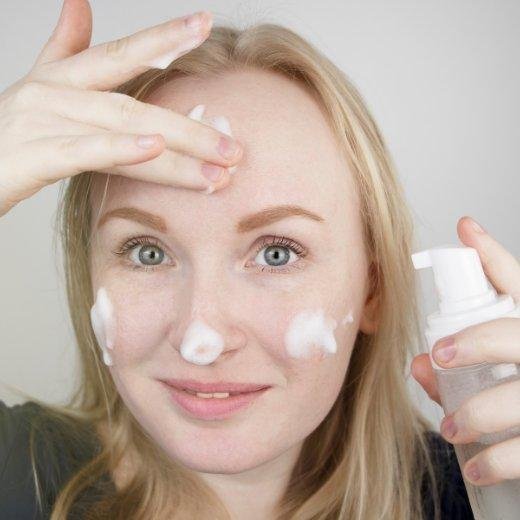
Start with a hydrating cleanser that's suitable for sensitive skin. Use your fingertips to dampen your face, apply the cleanser, gently massage it in, and rinse thoroughly. Avoid washcloths or other harsh tools. After cleansing, gently pat your face dry with a clean towel and apply moisturizer immediately.
Prioritize Sun Protection
Sun safety is crucial for everyone, but especially for those with rosacea. Sun exposure can trigger symptoms, so it's vital to choose a sunscreen containing zinc oxide or titanium dioxide that is:
- Broad-spectrum
- SPF 30 or higher
- Fragrance-free
Limit direct sun exposure, seek shade when outdoors, and wear a wide-brimmed hat along with large sunglasses to protect your face.

Create a Trigger List
Everyone with rosacea has unique triggers. Keeping a list of ingredients that irritate your skin is essential. Common culprits include:
- Alcohol
- Fragrance
- Glycolic acid
- Sodium lauryl sulfate (SLS)
- Camphor
- Lactic acid
- Menthol
- Urea
Also, note any products that have previously caused irritation. Tracking these will help identify patterns and manage your skin's health effectively.
Make Moisturizing a Priority
Moisturizing is vital for those with rosacea, second only to sun protection. A strong moisture barrier helps shield your skin from irritants. The right moisturizer can significantly improve your skin's condition.
Have Soothing Products Ready
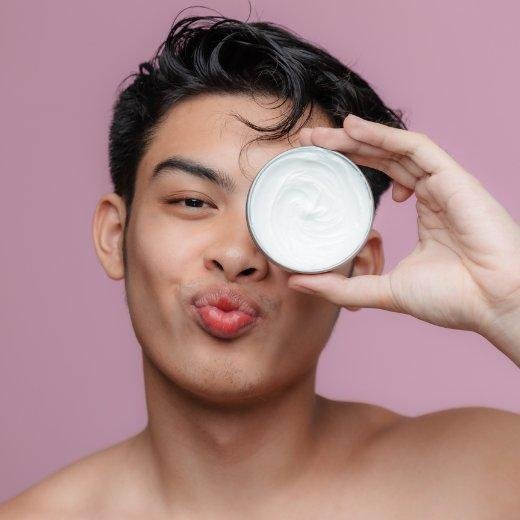
Managing rosacea involves identifying and avoiding triggers, but flare-ups can still occur. Be prepared with soothing products such as redness-reducing creams, green tea extract formulations, or calming face masks. Ice packs can also help reduce inflammation if cold doesn't provoke your symptoms.
Keeping Your Skin Calm and Collected
Rosacea is a chronic condition that can fluctuate, but while it may not be curable, you can manage symptoms effectively. Implementing these strategies can lead to clearer, calmer skin.