Most people are familiar with pH from testing water or exploring food types. However, skin also has its own pH, significantly impacting its health and look. So, what is skin pH, and how can you restore its balance? Let's explore.
Understanding Skin pH
Simply put, skin pH indicates how acidic or alkaline your skin is.
When pH is balanced, skin retains moisture and keeps harmful bacteria at bay. This is thanks to the acid mantle, a delicate barrier formed by a slightly acidic film on the skin's surface.
A balanced pH can work wonders for your skin, reducing signs of aging, enhancing hydration, and minimizing breakouts. You can promote a healthier pH through diet and a suitable skincare regimen, while poor choices can disrupt this balance.
Measuring Skin pH
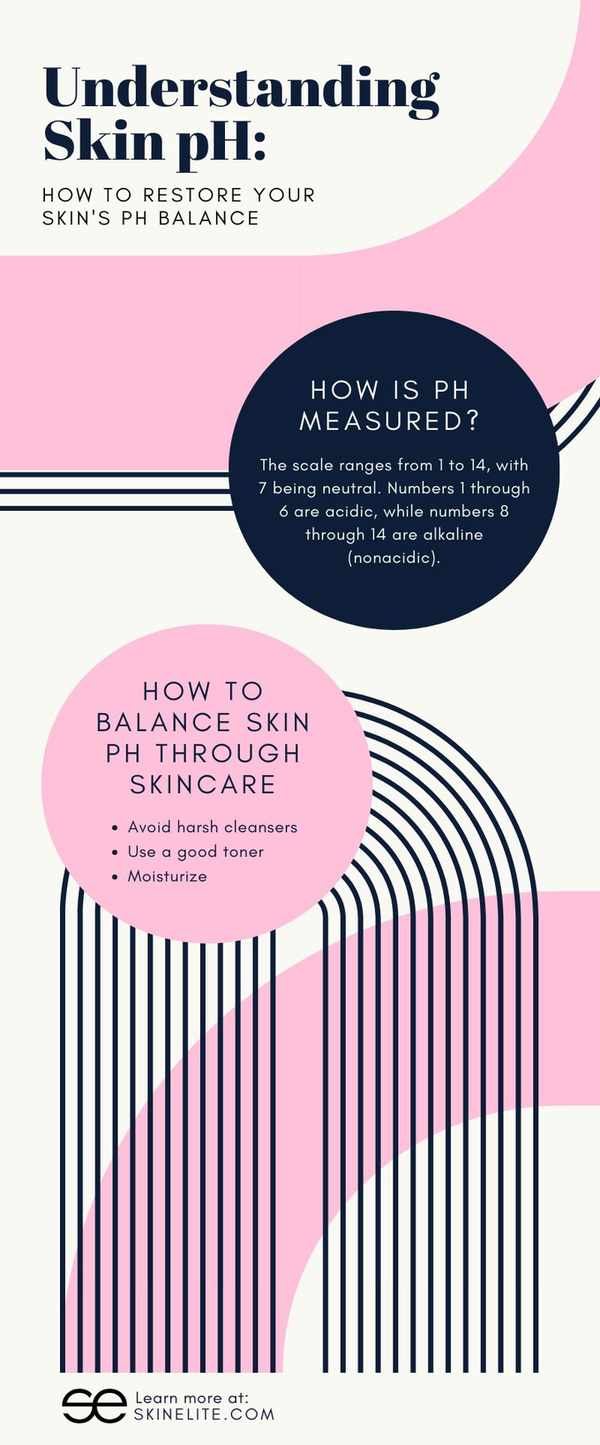
Skin pH is gauged using a scale from 1 to 14, where 7 is neutral. Numbers 1 to 6 are acidic, and 8 to 14 indicate alkalinity.
Healthy skin leans slightly acidic, as the acid mantle thrives in that range. Contrary to common belief, acidity isn't harmful; it actually helps fend off bacteria and free radicals. Conversely, more alkaline skin is vulnerable to damage and dryness.
What Influences Skin pH?
Different body areas possess varying pH levels. Covered regions, like armpits, maintain their acidity, while exposed areas, such as the face, can drift toward alkalinity.
Factors impacting skin pH include:
- Air pollution
- Antibacterial soaps and gels
- Seasonal changes
- Beauty products
- Laundry detergents
- Diet
- Harsh cleansers
- Sweat
- Tap water
- Excessive sun exposure
- Genetics
The Role of Sebum and pH
Sebum is the skin's natural oil, essential for moisture, hydration, and protection. Insufficient sebum leads to a more alkaline pH, increasing the risk of breakouts and dryness. Low sebum levels make skin less elastic, contributing to fine lines.
On the other hand, excessive sebum can also cause issues. While it may lower pH, too much oil can result in greasy, irritated skin prone to breakouts.
Finding the right balance between pH and sebum is vital for maintaining healthy, youthful skin.
Assessing Your Skin's pH
The first step in restoring pH balance is assessing your current levels. If your skin is more acidic, opt for products that slightly reduce acidity. If it's more alkaline, look for items that help lower pH. Here's how to determine your skin's pH:
- Observe your skin: Soft, well-hydrated skin usually indicates balanced pH. If it's rough, dry, or overly oily, you may have alkaline or excessively acidic skin, respectively.
- Consult a dermatologist: Professionals can accurately assess your skin's pH and recommend suitable products.
- Use at-home tests: Various tests are available for checking overall body pH, including urine, saliva, and skin tests.
Balancing Skin pH with Skincare
Now that you know your skin's pH, it's time to rebalance it. Consider these steps for your skincare routine:
Skip Harsh Cleansers
Cleansers with aggressive ingredients strip essential oils and often have high pH levels. Avoid parabens, fragrances, silicones, and BHT. Instead, look for gentle cleansers that respect your skin.
Select an Effective Toner
Toners without alcohol are essential. After cleansing, apply a toner suited to your skin type to restore hydration and pH balance. Alcohol-based toners can lead to redness and irritation.
Moisturize Regularly
Keeping skin moisturized enhances its glow and health. Choose a moisturizer that fits your skin type.
A quality moisturizer supports the acid mantle and prevents alkalinity. Hydrated skin nurtures the acid mantle, leading to a balanced pH and vibrant skin.
Look for products with Vitamin C and antioxidants, or try natural options like aloe vera gel or diluted apple cider vinegar.
In addition to products, maintaining a balanced diet, applying sunscreen daily, and avoiding harsh cleansers can help restore your skin's pH.