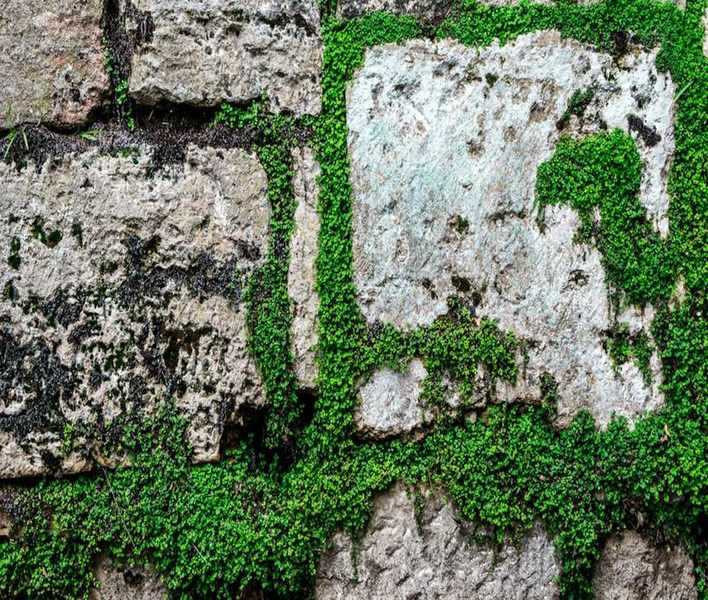
If you're looking to fill small areas in your garden, the fast-growing creeper Soleirolia soleirolii can be a fantastic choice.
Known as mind-your-own-business or baby's tears, this vibrant green plant may not demand attention, but its tiny leaves form a lush carpet. It's an adaptable variety that can thrive in various settings.
"This creeping plant is great for filling unsightly gaps in paving or cracks in walls, demonstrating its ability to flourish in diverse conditions," says a gardening expert.
Native to the Mediterranean region, this plant grows well outdoors in US hardiness zones 9-11, but it also makes a lovely houseplant.
We've consulted with specialists to gather key insights on how to keep your mind-your-own-business plant healthy and thriving.

5 Essential Tips for Caring for Soleirolia soleirolii
This humble creeper can easily be overlooked, yet its delicate foliage is perfect for filling empty spaces outdoors or bringing greenery indoors. Here are expert suggestions for keeping Soleirolia soleirolii thriving.
1. Opt for Shady Locations
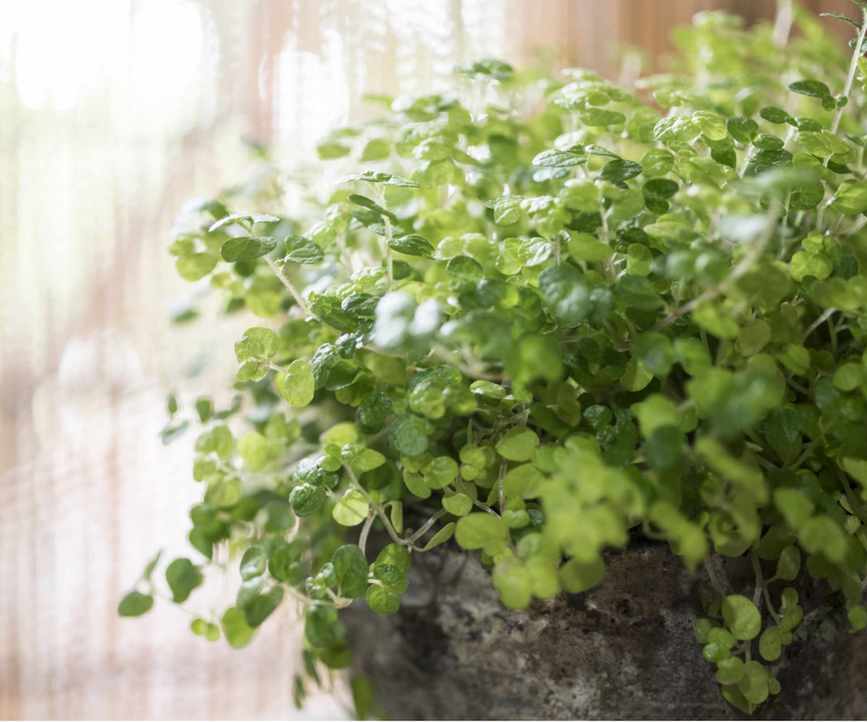
This resilient plant adapts well but prefers shadier environments.
"It thrives in damp, shaded areas, although it can tolerate brighter spots in your garden," shares the expert.
Indoors, Soleirolia soleirolii enjoys bright, indirect light, particularly on east or west-facing windowsills.
"Avoid direct sunlight as it may scorch the leaves," advises a houseplant specialist.

2. Maintain Consistent Moisture
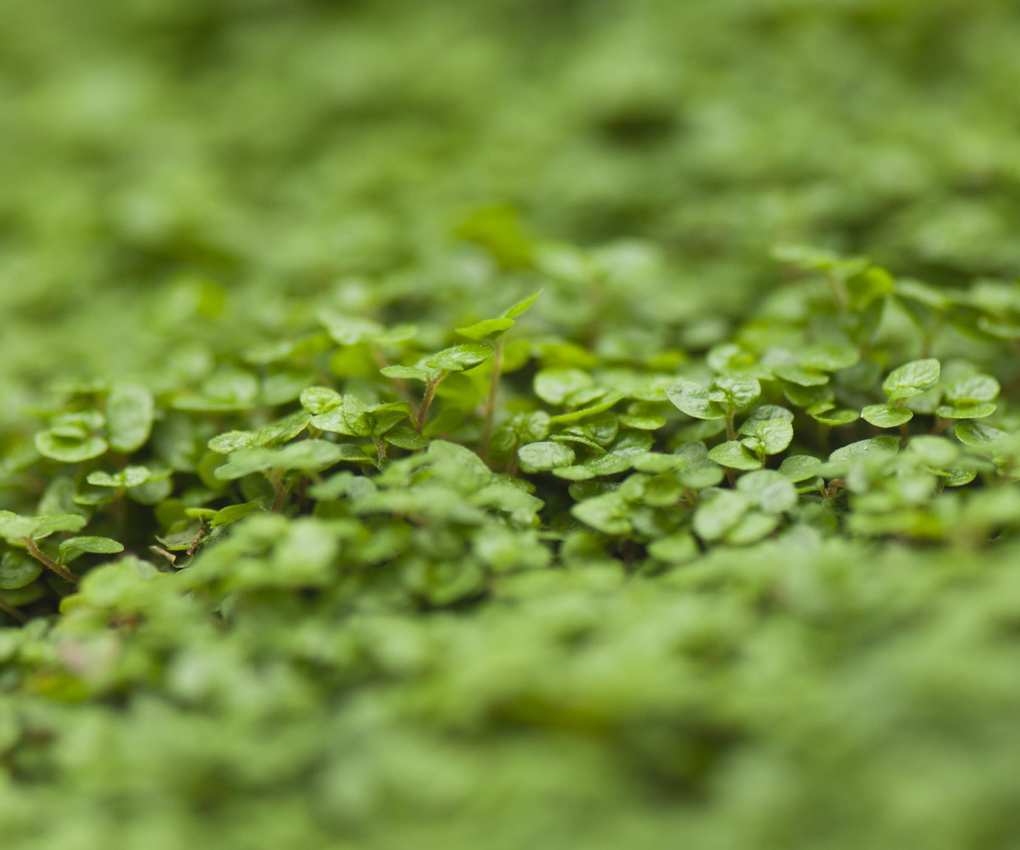
If you're growing this plant outdoors, rainfall usually provides sufficient moisture, but it's crucial to know how to water it during dry spells.
"Keep the soil consistently moist without overwatering. Insert your finger about two inches deep; if it feels dry, water the plant," suggests the expert.
A watering can with a narrow spout works well for this creeper. It thrives in higher humidity, so consider misting it, especially if it's indoors.
"It doesn't handle prolonged dry spells well, so occasional watering during droughts is beneficial," adds the specialist.
3. Consider Container Gardening
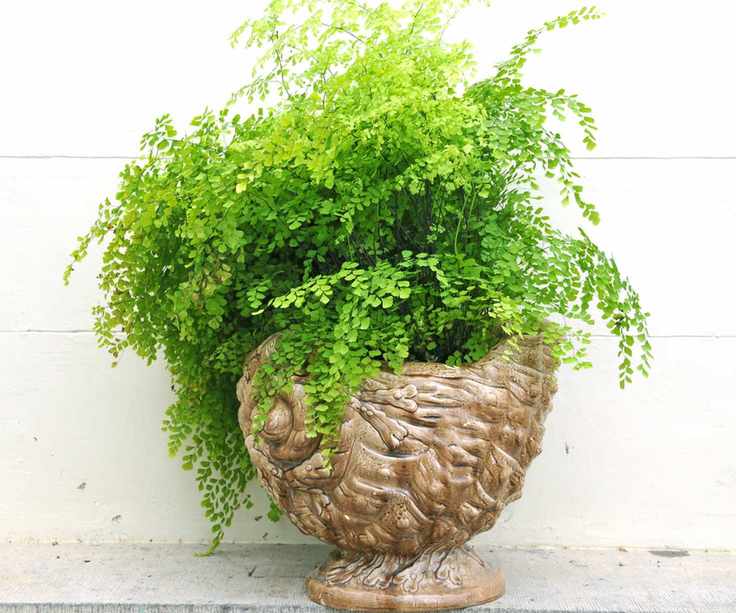
Growing your baby's tears plant in a container can help prevent it from spreading too much.
"This plant can spread quickly and regenerate from small stem and root sections. While this is advantageous if you have room, be cautious as it may encroach on other plants," warns the expert.
Choose a pot with proper drainage since these plants prefer not to be overly wet.
"Containers made from ceramic, terracotta, or plastic can retain moisture while avoiding saturation, creating a suitable environment for the roots," they add.
4. Prune for Shape
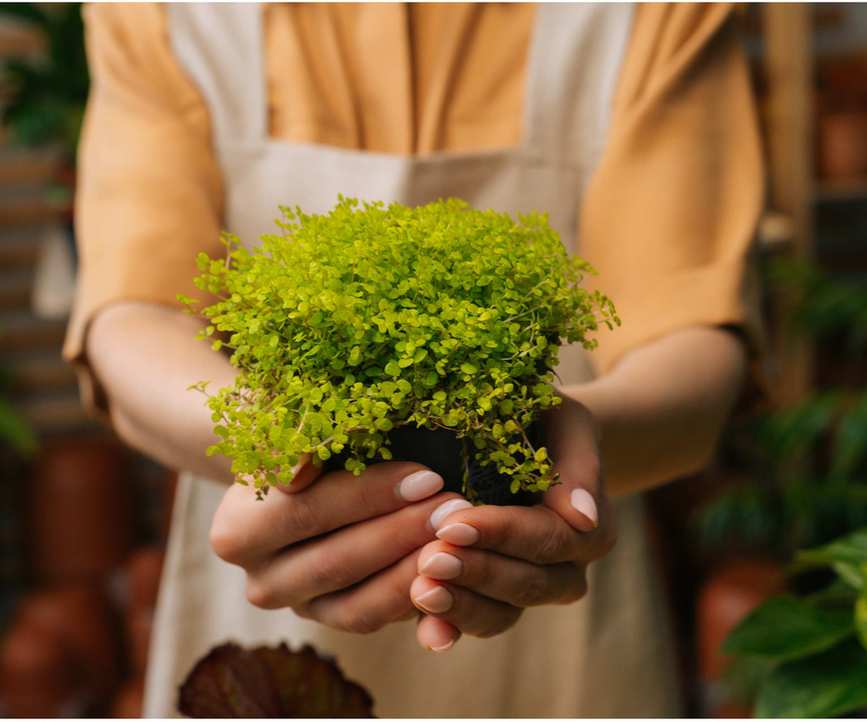
Without careful management, Soleirolia soleirolii can spread uncontrollably in your garden. Pruning is essential to maintain its shape.
"Regular trimming prevents the plant from becoming leggy and encourages bushier growth," suggests the expert.
Use clean scissors or pruning shears to remove excessively long or dead stems and leaves, and pruning can be done year-round as needed.
5. Repot When Needed
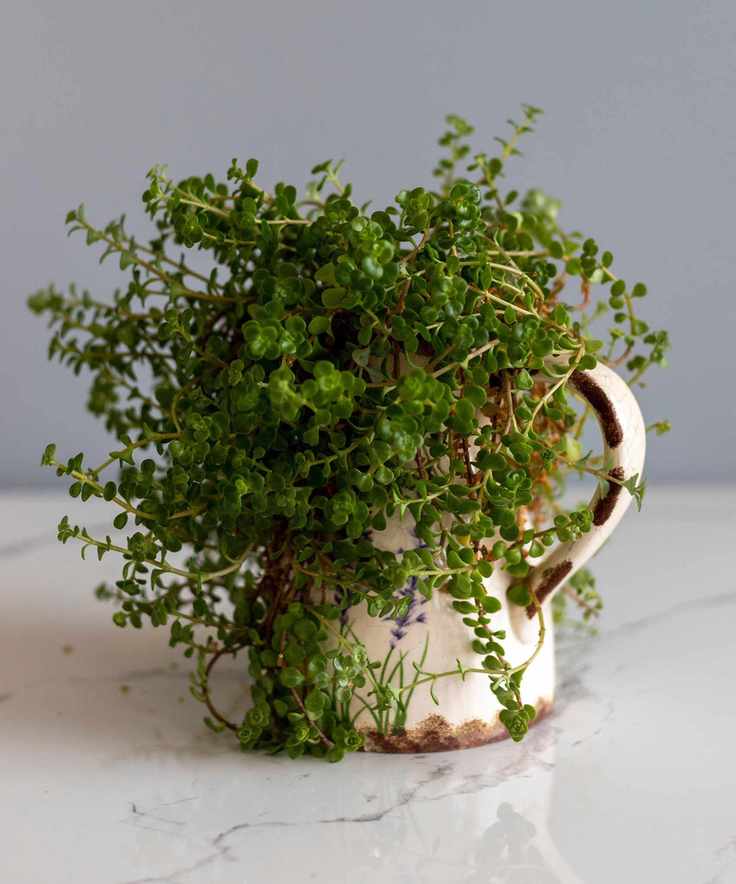
For those growing this plant indoors, timely repotting is crucial as it can grow rapidly and potentially overwhelm its container.
"Signs that repotting is necessary include roots emerging from drainage holes, the plant tipping over, or water draining too quickly," says the expert.
Failure to repot can lead to a pot-bound plant, stunting its growth.
"It's best to repot in the spring during the active growth period, about every two years, to ensure healthy soil and sufficient space for growth," they recommend.
FAQs
When's the Best Time to Fertilize Soleirolia soleirolii?
Soleirolia soleirolii benefits greatly from fertilization, especially in spring and summer when growth is at its peak. This practice is particularly advantageous for indoor plants, and you can use all-purpose fertilizers.
What Plants Pair Well with Soleirolia soleirolii?
This plant excels at filling gaps in gardens or adding greenery indoors. It's versatile, suitable for ground cover, walls, paths, or containers. It pairs beautifully with trailing plants like pothos or ivy for a fuller look in hanging arrangements.
While Soleirolia soleirolii might seem plain initially, its creeping, beaded foliage can effectively fill gaps and enhance unattractive corners of your yard. It's among the top ground cover plants and serves as a delightful indoor option for lush greenery.