We've all encountered that incredible skincare ingredient that claims to rejuvenate our appearance (or at least help us look well-rested). Vitamin C is one of those standout ingredients. It enhances your skin's brightness, diminishes aging signs, and amplifies your sunscreen's effectiveness.
But here's the twist: Vitamin C can be tricky to store. So, what's the best way to preserve its potency? Let's explore.
Why Proper Storage Matters
Before diving into storage methods, it's important to understand the reasons behind it. Vitamin C is highly reactive to light, air, and temperature fluctuations. Exposure to these factors can lead to oxidation, reducing its effectiveness and potentially harming your skin.
Oxidized vitamin C may turn yellow or brown, which you definitely don't want to apply to your face. Proper storage is key to maintaining its effectiveness and extending its shelf life.
Keep It Away from Light
Sunlight is vitamin C's greatest adversary. While serums can protect your skin from UV rays, direct sunlight can compromise the quality of the vitamin C in the bottle.
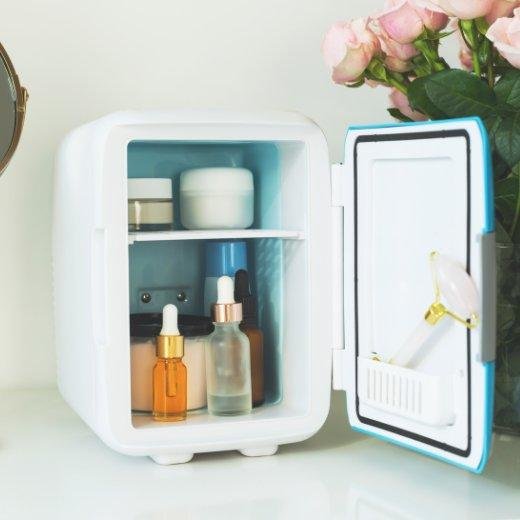
Where should you store vitamin C products? Opt for cool, dark spaces like a medicine cabinet, drawer, or even your fridge.
Yes, the fridge is a great spot for vitamin C! The cooler temperatures help retain its potency, especially in warmer, humid conditions.

Seal It Properly
Air exposure is another culprit that can lead to oxidation. This is why vitamin C products usually come in opaque, airtight packaging.
Always ensure the cap is tightly sealed after each use to limit air exposure. If your product has a dropper, avoid letting it touch your skin to prevent bacterial contamination. Remember to quickly replace the cap to minimize air contact.
Keep an Eye on Expiration Dates
Vitamin C products typically last about one year if unopened. Once opened, aim to use them within three to six months.
Check the expiration date on the bottle or packaging. But keep in mind, this assumes proper storage. If you leave your serum in a sunny spot or exposed to air for too long, it will spoil much sooner.
If you want an extra glow, consider a vitamin C mask, like the Phyto-C SuperHeal O-Live Mask. Unlike serums meant for daily application, masks deliver a concentrated dose of vitamin C for almost instant results.
Just like serums, these masks require careful storage to maintain their efficacy. Most come in individual packets or sealed jars to minimize air exposure. If using a jar, opt for a clean spatula to scoop out the product and prevent contamination.
Store your vitamin C mask in a cool, dark area alongside your serum to keep it effective. Given their concentrated nature, masks can lose potency quickly if not stored correctly. Treat them with the same care you give your serums.
Identifying Oxidation Signs
It's essential to recognize when your vitamin C has oxidized. The most noticeable sign is a color shift. A fresh vitamin C serum should appear clear or slightly straw-colored. If it becomes yellow, brown, or orange, it's time to toss it. Another telltale sign is an off smell. If the fragrance changes from when you first opened it, it's likely time for a replacement.
Vitamin C offers numerous benefits for achieving that coveted glow. To harness its full potential, treat it with care during storage.
Remember: keep it cool, keep it dark, and keep it sealed. Your skin will appreciate it, and you'll maximize your skincare investment. So, make space in your fridge next to the salad dressing — your vitamin C serum deserves that special spot.
Proper storage is crucial not just for the product's potency but also for your skin's health. When you care for your skincare items, they'll care for you.