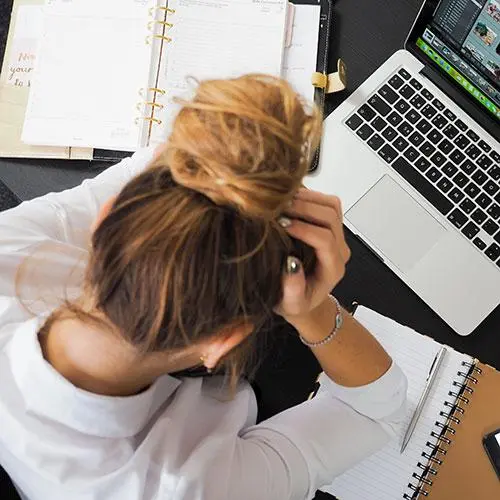
Most of us can't reflect on the past few months without feeling overwhelmed. Life is already hectic, and with added challenges, it's clear we could all benefit from some relaxation—perhaps a massage or a beach getaway.
Stress is more than just an emotional burden; it significantly affects both health and appearance. Let's explore how stress directly influences skin care.
Exacerbating Skin Conditions
Many individuals manage chronic skin issues like eczema, psoriasis, and rosacea. These conditions often linger, surfacing sporadically in the form of flare-ups.
Stress can trigger these flare-ups, making them more intense. When we're stressed, our bodies undergo hormonal changes that prepare us for fight or flight. This response, rooted in our ancestry, requires energy and can have side effects, including skin flare-ups.
Dehydrating Your Skin
Dry skin is not just uncomfortable; it can be irritating and unsightly. If you're applying moisturizer repeatedly without relief, stress might be the culprit.
Your skin relies on a natural moisture barrier to maintain hydration. Research indicates that stress can compromise this barrier, leading to increased moisture loss and dryness.
Using a good moisturizer can help restore this barrier. However, addressing stress alongside regular moisturizing will yield better hydration results.
Triggering Breakouts
Myths about acne abound, with various factors claimed to cause breakouts. One truth remains: stress often leads to acne.
Cortisol, a hormone released during stress, activates oil glands in the skin. Excess oil can clog pores, resulting in acne.
It's no surprise that breakouts often coincide with significant life events, as the stress of anticipation can bring on unwanted pimples. Manage your stress and consider using an effective acne cleanser daily.
Accelerating Aging
Have you noticed how some public figures age dramatically during their tenure? It's no coincidence; stress accelerates skin aging in several ways.
When under stress, the proteins in your skin, like collagen and elastin, become less functional. These proteins are essential for maintaining skin firmness and elasticity, so stress can lead to sagging.
Lack of sleep often accompanies stress, further damaging your skin. Insufficient rest results in puffiness and dark circles, making you appear older. Additionally, sleep deprivation increases inflammation, highlighting wrinkles and other aging signs.
Moreover, inadequate sleep slows down cell regeneration, which contributes to quicker skin aging.
Enhancing Fine Lines
Wrinkles develop through various means, particularly from repetitive facial expressions. Let's examine expression lines, such as frown lines and crow's feet.
Repeated facial movements cause muscle contractions, and over time, these muscles don't fully relax. This constant tension pinches the skin, leading to visible lines.
As we age and skin elasticity diminishes, it becomes more susceptible to these expressions and forms lines more readily.
When stressed, we tend to make certain facial expressions more frequently. Frowning or furrowing your brow can accelerate the appearance of expression lines.
Addressing Stress-Related Skin Issues
If stress is affecting your skin, there are steps you can take. First, consider skincare products that target your specific issues, such as a rejuvenating night cream for aging skin.
Second, explore stress-reduction techniques like meditation, aromatherapy, or simply setting aside time to unwind.
The best approach combines both: tackle your skincare concerns while managing stress to enhance your overall well-being. Go ahead and seek your peace!