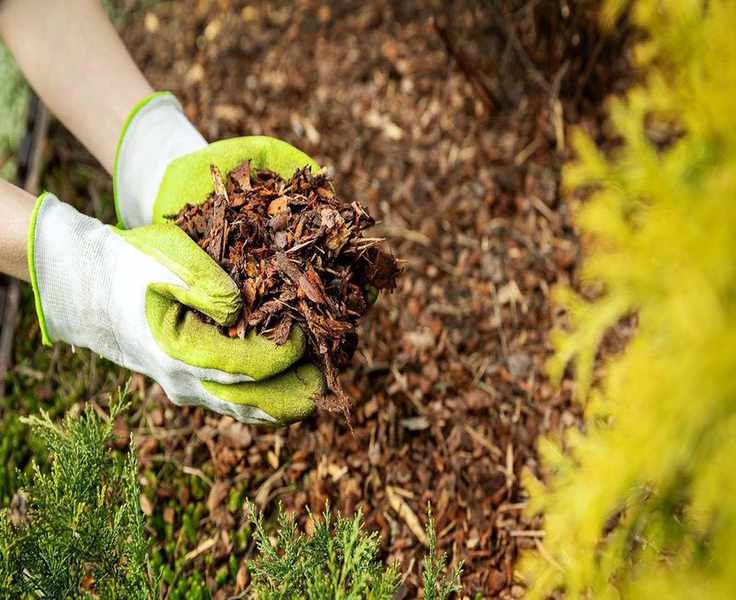
Q: A friend gave me a lot of wood chippings for mulching my flower beds. When should I apply them, or can I do it anytime throughout the year?
A: Mulching flower beds offers numerous advantages, making it an ideal use for those wood chippings. It helps control weeds, retain moisture, and shields your plants from harsh winter temperatures. Additionally, since these chippings are organic, they'll enrich the soil as they decompose. However, the timing of your mulching is crucial to maximize these benefits.
The best times to mulch flower beds are in spring and fall, each for specific reasons explained below.

Spring Mulching
Including mulch on your spring garden checklist is a smart move. A well-applied layer on your flower beds can suppress weeds early, reducing future maintenance.
Moreover, organic mulch applied in spring provides your plants with essential nutrients as it breaks down, promoting healthier growth.
It's best to wait until after the last frost and when the soil warms up a bit: mid to late spring is ideal. Applying mulch too soon keeps the soil cold, delaying plant growth.
Also, make sure the soil is moist (not soaked) when mulching to help retain that moisture.
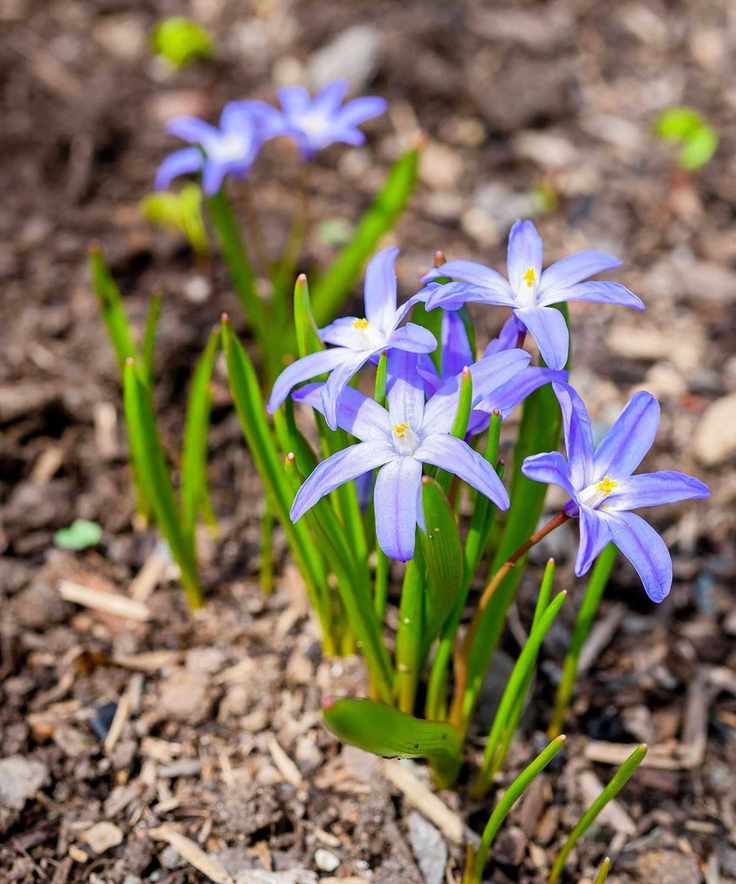
Spring mulching effectively suppresses weeds
Fall Mulching
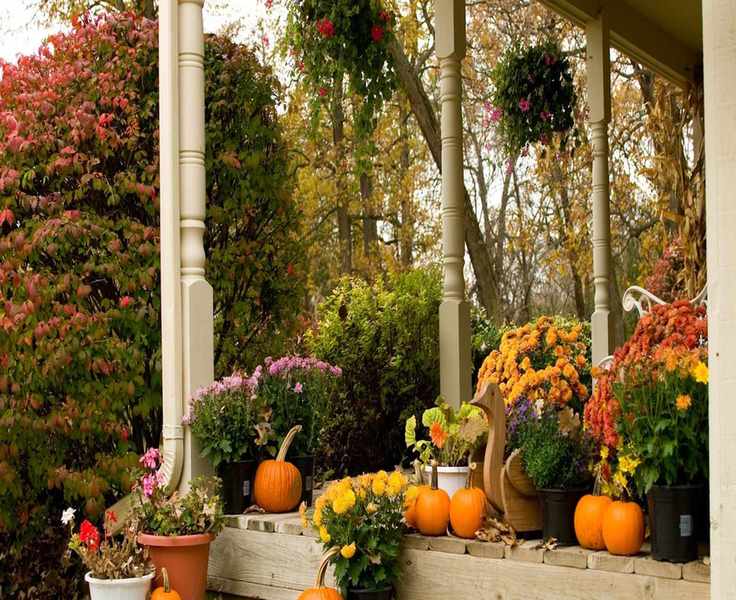
By autumn, the mulch layer you added in spring may need refreshing. A new layer will protect your plants from frost, offering insulation for roots and crown buds.
John Negus, a horticultural expert, suggests applying mulch before the ground freezes. 'Worms remain active during this period as the soil retains warmth from summer, helping to integrate mulch into the soil and enhance beneficial humus,' he mentions.
If a wet winter is ahead, adding mulch will also prevent soil erosion.

Mulching New Plants
The Royal Horticultural Society states that new plants can be mulched any time of year.
'Newly planted flower beds can benefit from an initial mulch layer to retain moisture and suppress weeds, but be cautious not to suffocate the young plants,' advises Nikita Burgan, a landscaping specialist. 'A thin layer, no deeper than 2-3 inches, is ideal.'
'Avoid mulching seedbeds or areas where seeds are sown directly, as it may hinder germination,' she adds.