Starting a kitchen garden is rewarding, especially when you choose the easiest vegetables to grow. Home-grown produce not only tastes better but is also healthier, free from harmful chemicals.
Planning your garden is crucial. Consider the vegetables you love to eat for maximum satisfaction from your efforts.
Timing is key for planting. Stephanie Turner, a horticulture expert, emphasizes that bad timing is a common mistake among beginners. Ideal growing conditions vary by climate, so check seed packets for planting guidance.
Ensure your seeds are sown in a location that meets their sunlight and water needs. A spot that receives at least six hours of sunlight is best, though leafy crops can manage with less.
Easiest Vegetables to Grow at Home
Choosing the right varieties and following care instructions will help you grow these simple vegetables, no matter your gardening experience.
Always verify each plant's specific requirements to match them with your garden's sunlight and space availability.
1. Radishes
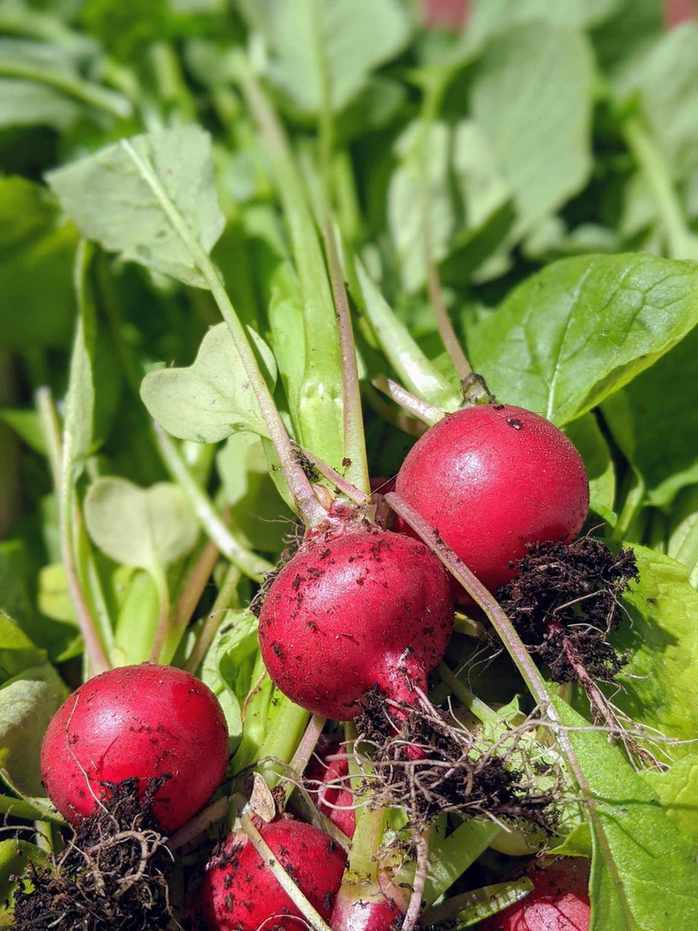
Growing radishes is an excellent entry point for beginners, as they are fast-growing. Their peppery taste enhances salads and stir-fries.
These roots germinate quickly when planted directly in the ground and are ready for harvest in about a month, according to Matthew Geldin, a farming expert. Radishes flourish in full sun but can grow in partial shade. They can be sown successively for ongoing harvests and can be interplanted with slower crops.
They have few pest issues and prefer cooler weather, making them perfect for spring and fall. Sow seeds half an inch deep, thinning seedlings to 2-3 inches apart when they sprout. Varieties like French Breakfast and Easter Egg are great choices.
2. Green Beans
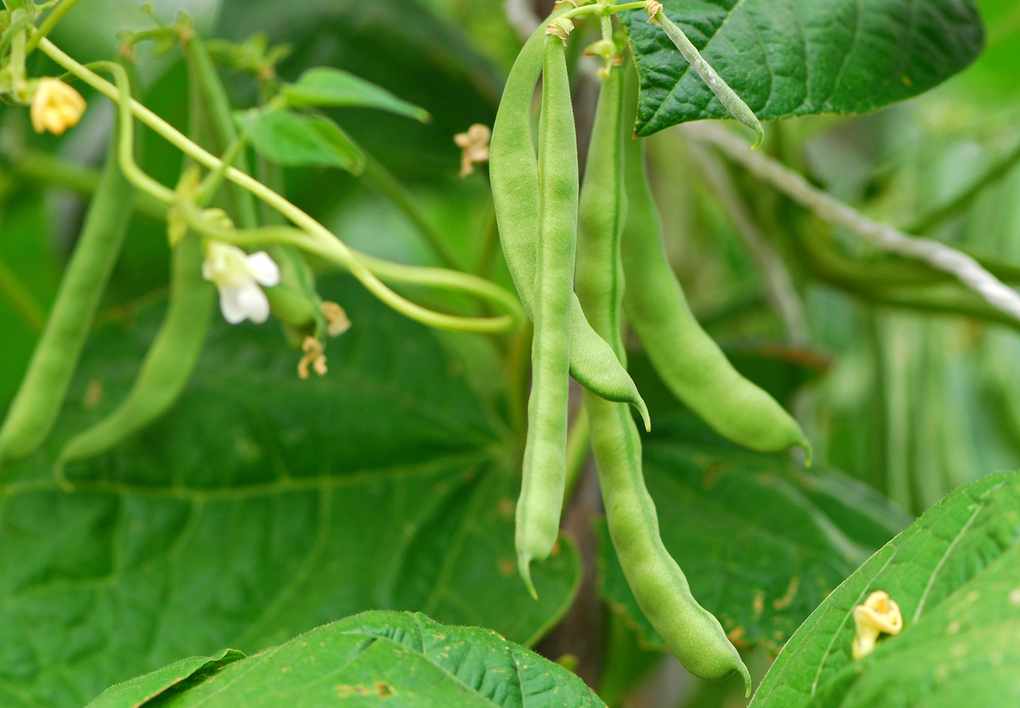
Green beans are versatile and easy to grow, making them a favorite for many gardeners. Choose between bush beans, which are compact, and pole beans, which grow vertically and save space.
Ashley Christian, a gardening expert, prefers bush beans for their space efficiency in pots. They thrive even in poor soil by fixing nitrogen as they grow and can be harvested in 50-60 days.
Plant seeds one inch deep, spaced 2-4 inches apart. Varieties like Blue Lake and Provider are recommended.
3. Kale
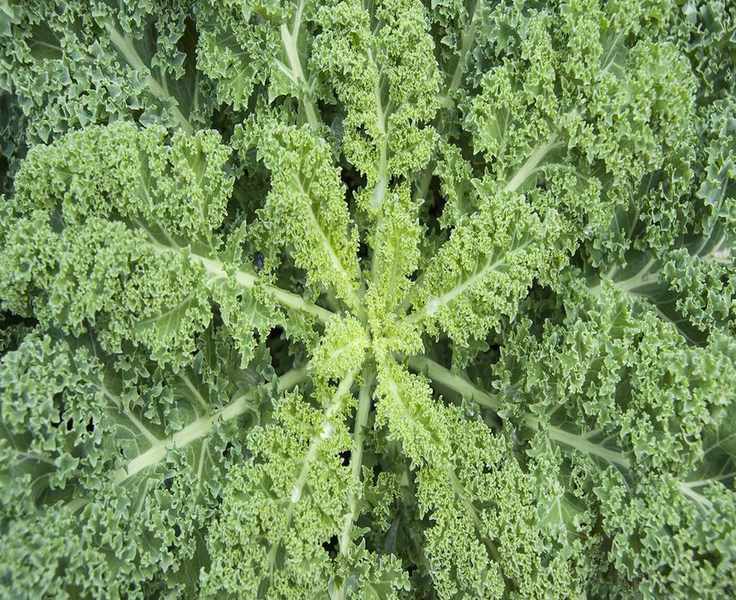
Kale is often considered the easiest vegetable to cultivate, with minimal disease and pest problems. It's resilient to temperature variations and doesn't bolt in heat.
As a nutritional powerhouse, kale is rich in vitamins and essential nutrients. It can even taste sweeter after a frost, making it ideal for fall planting. Sow seeds half an inch deep, thinning to 18 inches apart. Expect to harvest in around 60 days. Varieties like Cavolo Nero and Black Tuscan are worth trying.
4. Beets
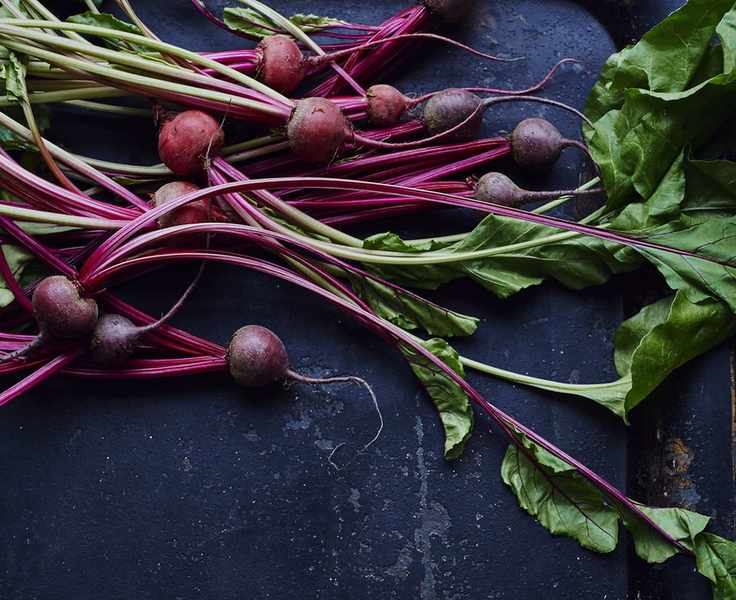
Beets are colorful and compact, great for salads or roasting. For continuous harvests, plant seeds every few weeks starting in spring.
Directly sow seeds in sunny spots, as they don't transplant well. Space seeds 1-2 inches apart, thinning to 3-4 inches as they grow. Harvest when roots are golf ball-sized, typically in about two months. Don't forget, beet greens are edible too!
5. Hardy Herbs
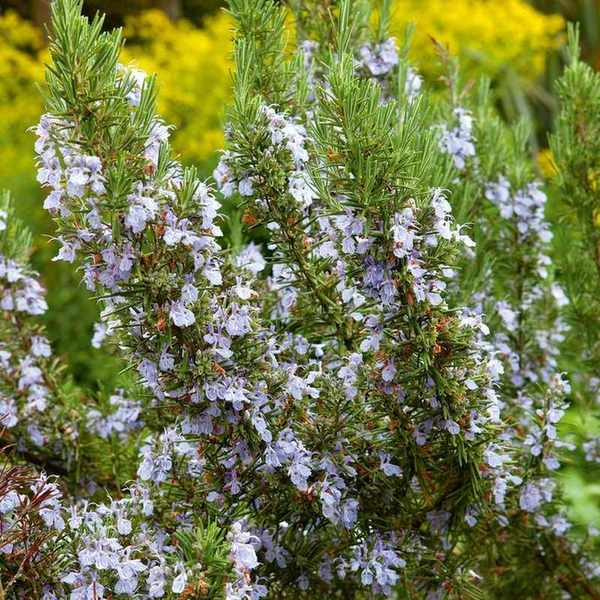
Hardy herbs like sage and thyme are perfect for beginners, thriving in various conditions. They can be planted in corners of raised beds or pots.
Geldin suggests herbs such as Berggarten sage and French thyme for novice gardeners. Fresh herbs can enhance your cooking and make thoughtful gifts.
6. Tomatoes
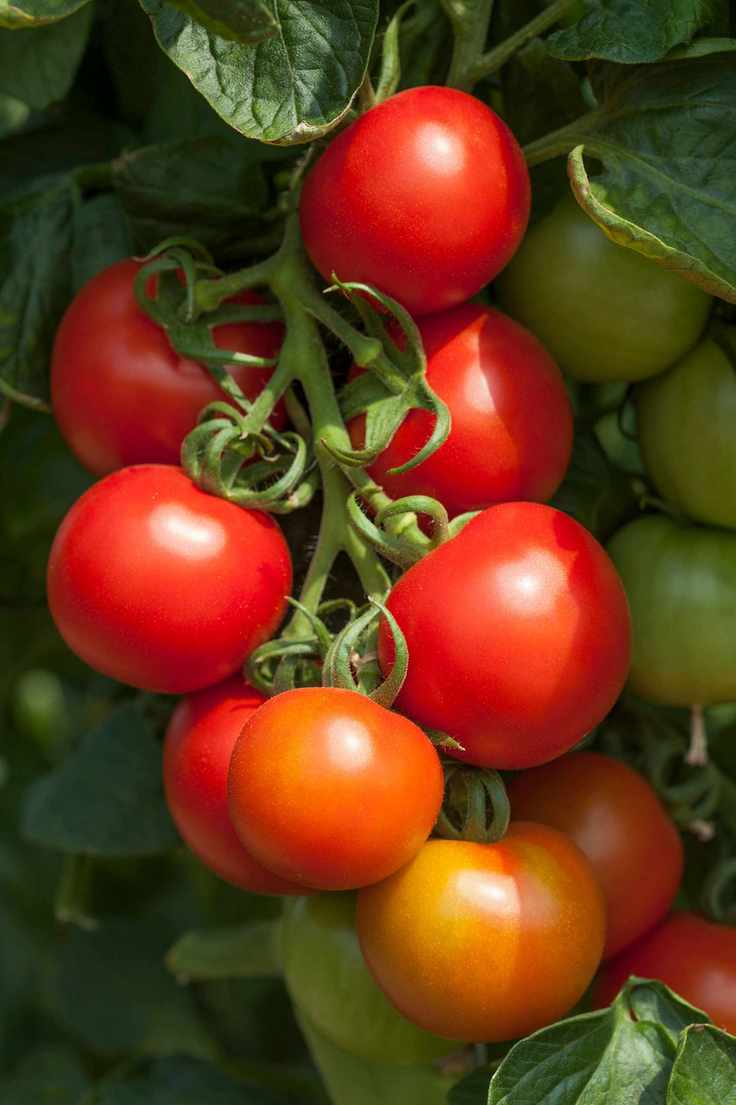
Though they may seem advanced, tomatoes are actually accessible for beginners if you choose adaptable varieties. Depending on your climate, they can be grown indoors or outdoors.
Vine tomatoes require support, while bush varieties can thrive in pots. The Amish paste tomato is favored for its size and flavor, ideal for both slicing and sauce. Cherry tomatoes are also quick to crop.
7. Swiss Chard
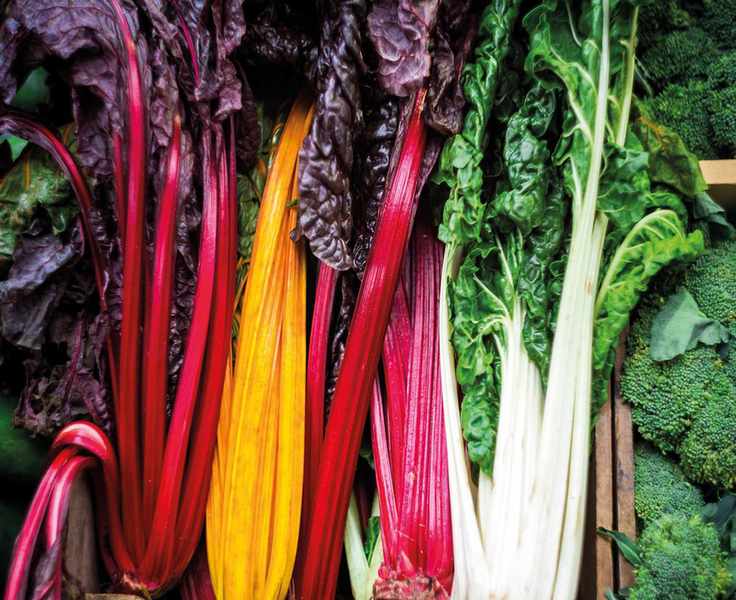
Swiss chard is not only easy to grow but also adds beauty to the garden. It's rich in vitamins and can be planted in spring and fall.
Christian recommends sowing seeds thinly in rows, thinning to 10 inches apart as they grow. Ready to harvest in about 12 weeks, varieties like Rainbow or Giant Swiss chard are excellent choices.
8. Squash

Squash, like spaghetti squash, is rewarding for beginners. It's resilient and can produce multiple fruits per plant.
Plant seeds directly in the garden or start indoors. Sow seeds 1 inch deep and a few feet apart, thinning as necessary. Other varieties like butternut and summer squashes are also fun to grow.
9. Carrots
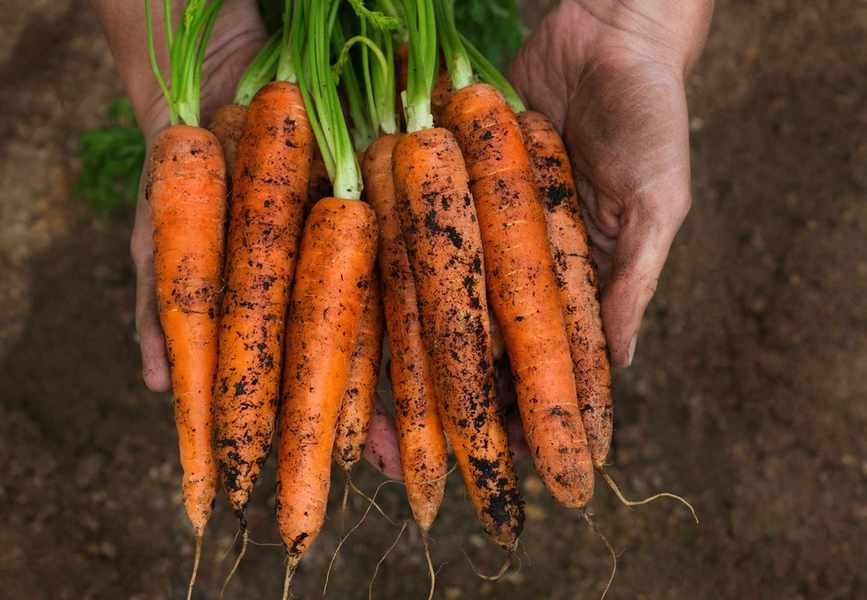
Carrots thrive in spring and fall, especially in loose soil. They can even be grown in containers. Thin the crop to avoid pests like carrot flies.
Sow seeds in rows about a foot apart, spacing them roughly 2 inches apart. Fun varieties like purple Black Nebula or classic orange Little Finger are worth trying.
10. Lettuce
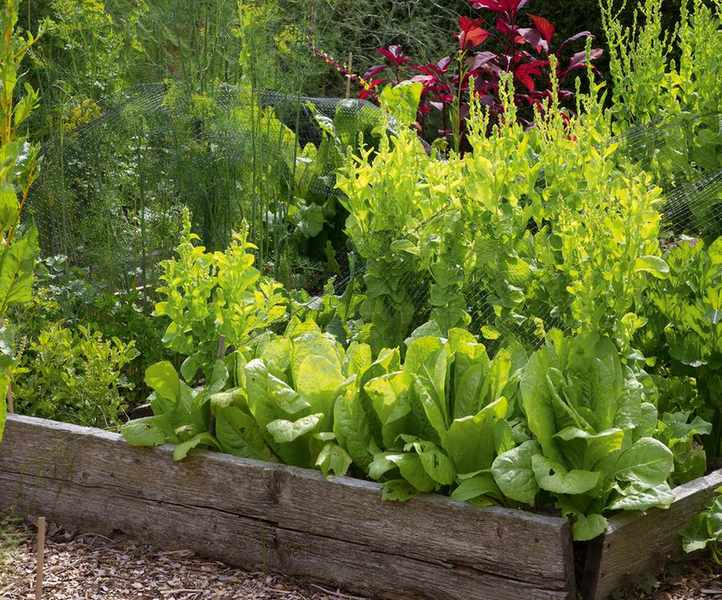
Nothing beats a fresh salad from your garden. Lettuce is simple to grow, thriving in pots and ready to harvest in as little as six weeks.
Loose-leaf varieties are especially easy. Sow seeds thinly and cover lightly with compost. To prevent oversupply, stagger your sowing weekly. Protect from slugs and consider bolt-resistant varieties for warmer climates.
What are the easiest vegetables to grow in pots?
Compact vegetables like leafy greens and herbs are ideal for pots. Stuart Jones suggests growing basil, green onions, and thyme in containers.
What are the easiest vegetables to grow from seed?
Easy-to-grow vegetables from seed include lettuce, beans, and radish. Many germinate quickly and require minimal care.