Gardeners everywhere are being encouraged to move away from peat moss. If you rely on it for plant growth, you might be wondering why. Our gardening expert shares insights:
'Peat moss harvesting harms the environment. It destroys habitats for various species and contributes to carbon dioxide emissions, worsening global warming.'
'Due to these concerns, the sale of peat compost is being restricted. Retailers are now offering eco-friendly alternatives, including green waste, composted bark, and grit, which are improving in quality.'

Understanding Peat Moss
Peat moss is decomposed sphagnum moss valued for its moisture-retaining properties. It's commonly included in potting mixes and is used to enhance soil health.
Why Peat Moss is Popular
'For years, gardeners have favored peat moss for its ability to enrich soil and retain moisture,' explains our expert. 'Made from decomposed plants, it's nutrient-rich.'
But with rising environmental concerns, alternatives to peat moss are being sought.
Environmental Impact of Peat Moss
'Peat bogs are critical carbon sinks, capturing harmful carbon and providing habitats for rare species,' says a gardening specialist.
'These bogs can take thousands of years to form but can be destroyed in minutes through harvesting, releasing trapped carbon into the atmosphere. Thus, it's crucial to reduce peat usage in gardening.'

Best Alternatives to Peat Moss
Experts have tested various substitutes for peat moss. Here's what they recommend.

1. Compost
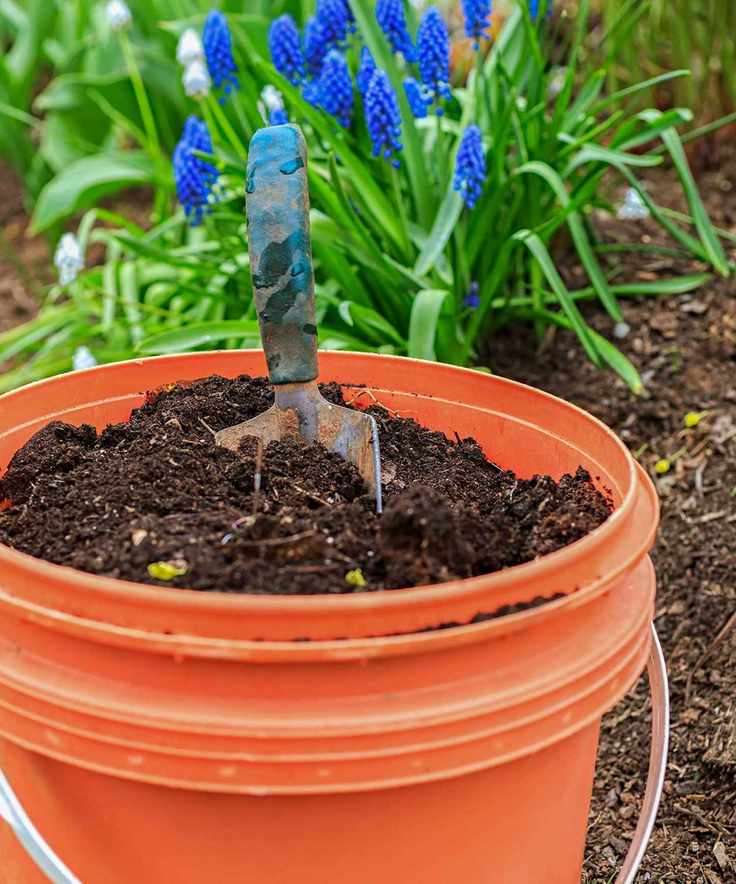
Many gardeners enhance their soil's nutrients and drainage with compost, which can also be homemade.
However, there is much confusion among gardeners regarding the differences between compost, soil improvers, and mulches. Ruth Hayes clarifies: 'Composts are for growing, while improvers and mulches serve other purposes.'
'Homemade compost is ideal for mulching and feeding your garden. Even small spaces can accommodate a compost bin, requiring only kitchen scraps and yard waste.'
Considerations for Store-Bought Compost
Garry Coward-Williams warns about store-bought peat-free compost:
'No peat-free compost currently matches the moisture retention and nutrient-holding capacity of peat. Each brand has a unique recipe, leading to inconsistencies.'
'Some peat-free options may contain weeds or microplastics. Generally, these alternatives are pricier than traditional peat-based compost, and gardeners may need to supplement with additional nutrients.'
2. Coconut Coir
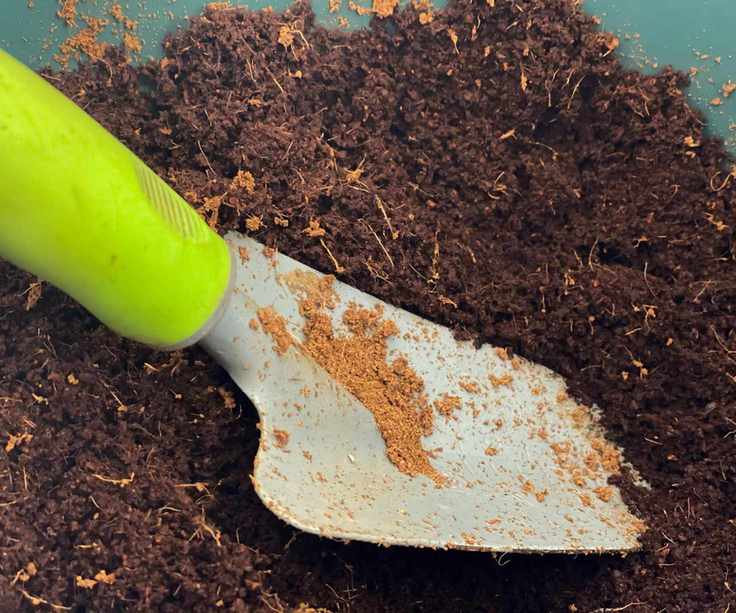
'In my professional experience, coir compost, derived from coconut husks, is a great substitute,' notes Drew Swainston. 'It's excellent for moisture retention but may require additional fertilizers due to its lower nutrient content.'
Garry adds: 'Coir doesn't distribute moisture evenly, leading to dry tops and overly wet bottoms in containers, so extra watering with plant food may be necessary.'
3. Bark and Wood Fiber
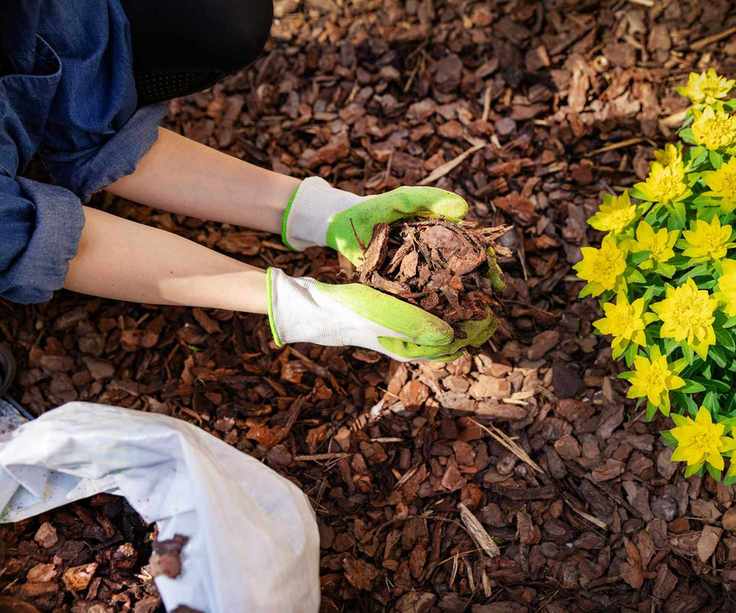
'Bark-based compost can be effective, but it behaves differently than peat alternatives,' Drew explains.
Dr. Anton Rosenfeld states, 'Plants in peat-free options often require more frequent feeding due to the absence of controlled-release fertilizers found in peat mixes.'
4. Leaf Mold and Manure
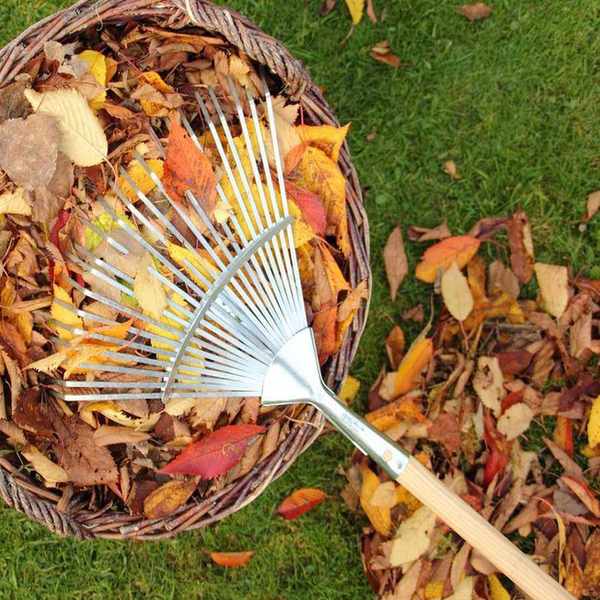
'Leaf mold and well-rotted manure are excellent soil enhancers,' says Garry.
These can easily be made at home by composting leaves over winter. Ensure any manure is well-rotted before application.
5. Sheep's Wool
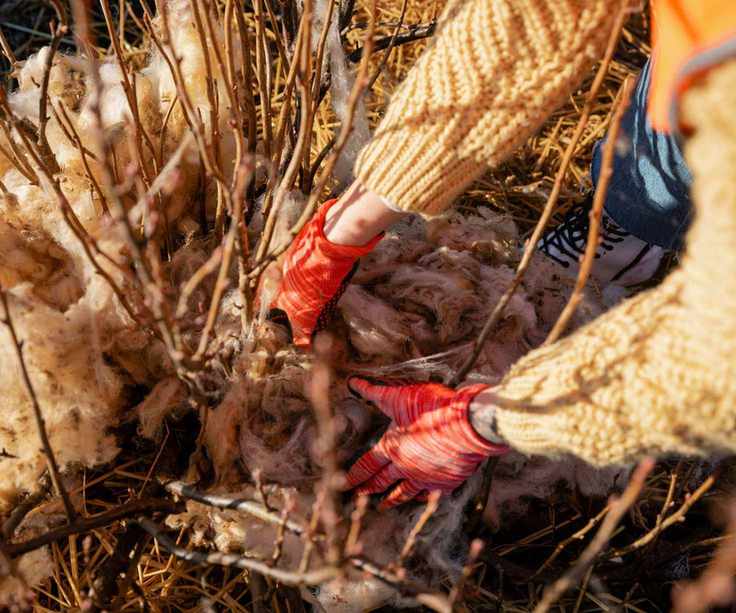
'Sheep's wool is an effective peat moss substitute that retains moisture and nutrients,' Drew notes.
However, it requires careful watering, as too much can harm plants.
Creating a Peat-Free Garden
Transitioning to peat substitutes, especially homemade compost, is essential. Ensure that any purchased plants are also peat-free.
As we've discussed, using alternatives requires adjustments in gardening practices. Garry advises: 'Don't opt for the cheapest options. Testing revealed that lower-priced peat-free composts often performed poorly. Invest in quality brands and learn how to utilize them effectively.'