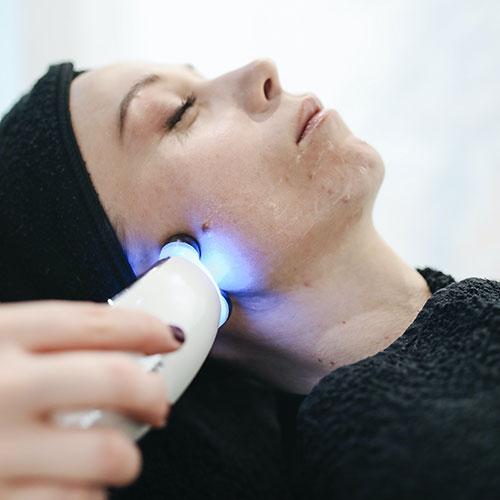
If you've triumphed over a tough acne battle, you might think the struggle is behind you. Unfortunately, acne can leave behind a lasting reminder: scars.
Even after clearing up acne, scars can persist, manifesting as raised areas, indentations, or pigmentation spots that last for months or even years. For many, it feels like acne is an ongoing issue.
If you're troubled by stubborn acne scars, rest easy. Numerous treatments and techniques can help restore your skin's glow.
Here are five methods to help you say farewell to acne scars.
1. Micro-Needling
Various treatments exist to diminish different types of acne scars, but many dermatologists and patients favor micro-needling.
This procedure encourages the skin to produce fresh collagen and elastin by creating tiny wounds. Although it may sound uncomfortable, the outcomes are often worth it.
Keep in mind, however, that you might experience redness for several days post-treatment. It's wise to schedule your micro-needling well in advance of any significant events.
2. Skin Peels
If your scars are mild, a gentle acid peel can effectively smooth them out.
At-home peels are a cost-effective alternative to professional treatments. The DCL G10 Radiance Peel, for example, contains 10% glycolic acid for skin renewal.
There are numerous products today that promote skin renewal and lessen the appearance of acne scars. Look for options that provide mild chemical exfoliation to help you say goodbye to those pesky scars. These formulas help slough away dead skin cells and stimulate collagen production.
Professional peels can yield more noticeable results, but they may come with more side effects. Expect some redness and peeling for three to seven days after the procedure, but the results can be worthwhile.
3. Fillers
While fillers are often associated with enhancing lips or cheeks, they can also improve the look of acne scars.
Injecting substances like collagen, hyaluronic acid, or fat can help fill in acne scars, making them less visible.
Results are typically impressive, smoothing out scars effectively. However, these effects are temporary and require regular touch-ups to maintain.
4. Laser Resurfacing
For outstanding results, laser resurfacing removes the outer skin layer, reducing acne scars and lightening redness around healed areas.
This invasive procedure isn't suitable for everyone. While it can be painful, local anesthesia is used to minimize discomfort. Treatment duration varies from a few minutes to an hour.
Although laser resurfacing can yield remarkable results, you should allow for downtime. Healing typically takes three to ten days, during which your skin may appear red and scaly. Plan accordingly to avoid any unwanted attention during recovery.
5. At-Home Treatments
You don't need to spend a fortune on dermatological procedures to lessen the appearance of acne scars. Several over-the-counter options work wonders.
While many dark spots fade naturally over time, a medicated spot treatment with hydroquinone can speed up the fading process. Treatments infused with alpha-hydroxy acids promote new skin growth, reducing the visibility of scars while preventing new acne formation.
When searching for at-home solutions, look for products featuring glycolic and lactic acids. One great option is the Tuel Detox Healing Essential Oil Blend, made from antioxidant-rich plants. This soothing blend of tea tree, cedarwood, and palmarosa delivers essential nutrients to the skin, helping diminish scars and inflammation.
This lovely oil blend also aids in preventing future breakouts.