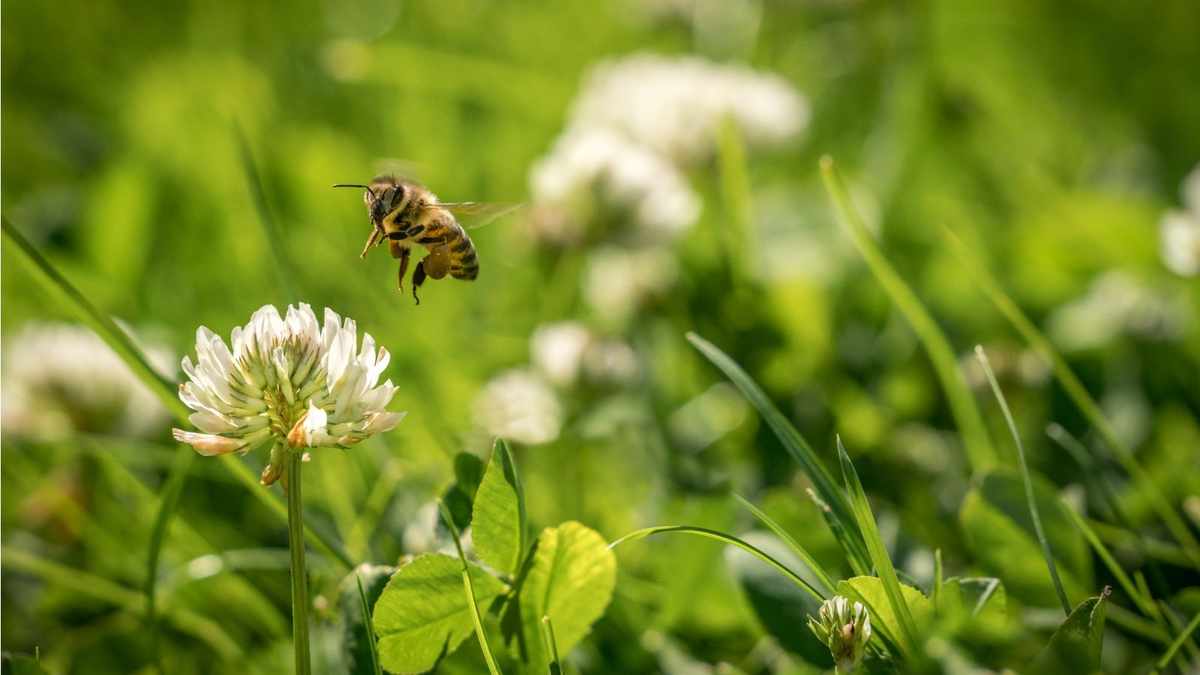
At first glance, weeds may seem like a nuisance in your yard. However, some of these uninvited plants can actually play a crucial role in supporting local wildlife.
You might be tempted to learn how to eliminate weeds when they appear alongside your carefully chosen plants. Yet, many weeds are rich in nectar and serve as excellent food sources for pollinators.
Experts have shared insights on which flowering weeds you should keep in your yard to benefit bees, butterflies, birds, and other creatures.
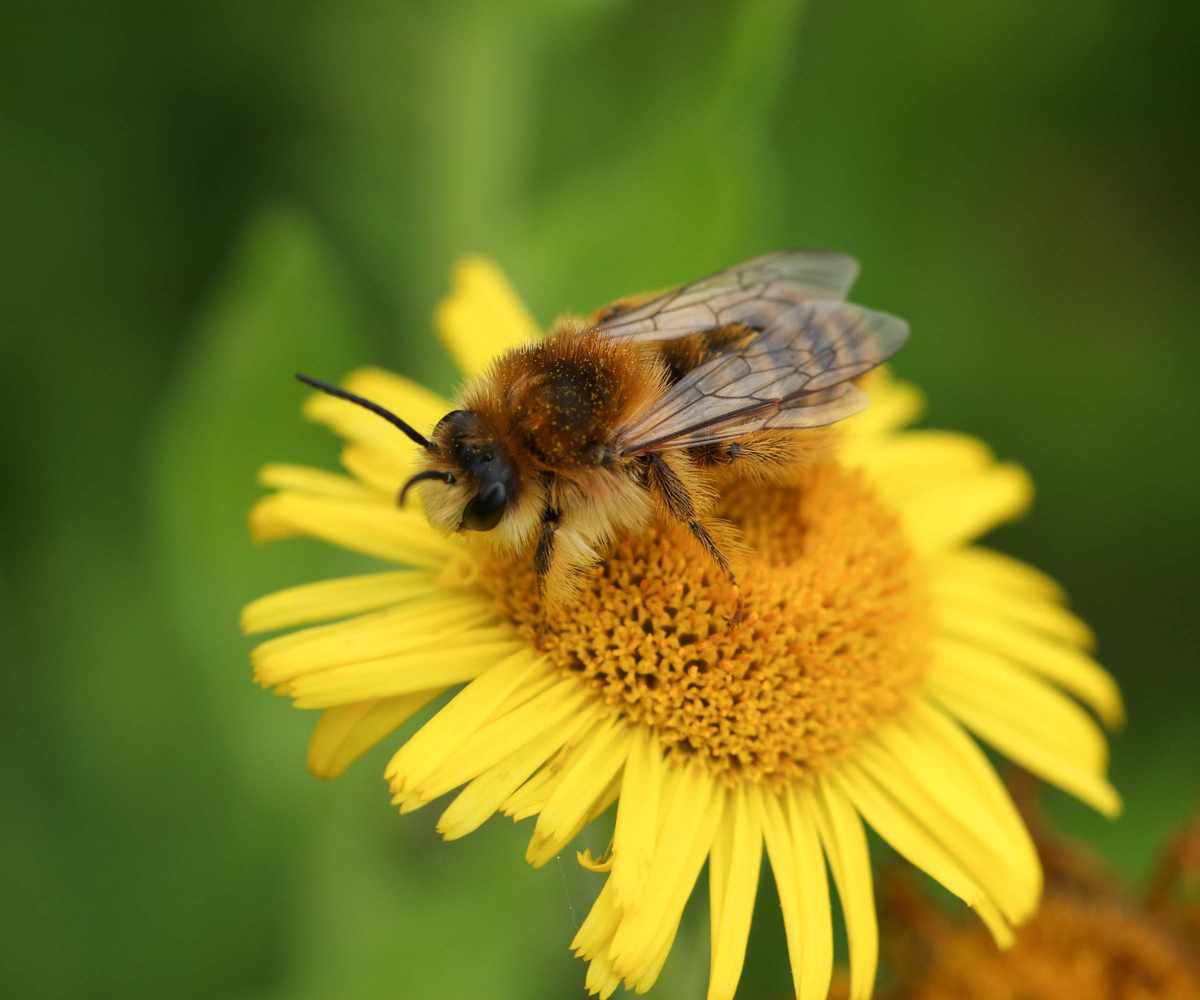
Why Preserve Flowering Weeds for Pollinators?
When creating a garden for pollinators, consider reducing your weeding activity.
“It's essential to leave flowering weeds for pollinators, especially in spring. As bees and other pollinators come out of hibernation, these weeds provide crucial food sources,” explains Sarah Warner, an organic gardening expert. She adds, “By late May, food options become more plentiful. However, homeowners often start cleaning their yards in March and April, inadvertently removing vital resources for insects still resting.”
Be sure to consult the USDA Invasive Species list to determine if any flowering weeds in your yard pose a risk before deciding to keep them.
“The duration for which you should leave flowering weeds depends on their classification. Invasive species can disrupt ecosystems by dominating areas and displacing native plants,” says Ren Elizabeth, an expert gardener. “Review your local county’s noxious weed guide for plants that must be removed.”
Explore our compilation of the best flowering weeds that can create a nectar-rich habitat for visiting pollinators.
3 Flowering Weeds Beneficial for Pollinators
Resist the urge to weed too quickly when you spot unexpected flowering plants in your yard. Many of these weeds are fantastic for pollinators and offer abundant nectar. Here's our expert-selected list of the top flowering weeds to keep.
1. Dandelions
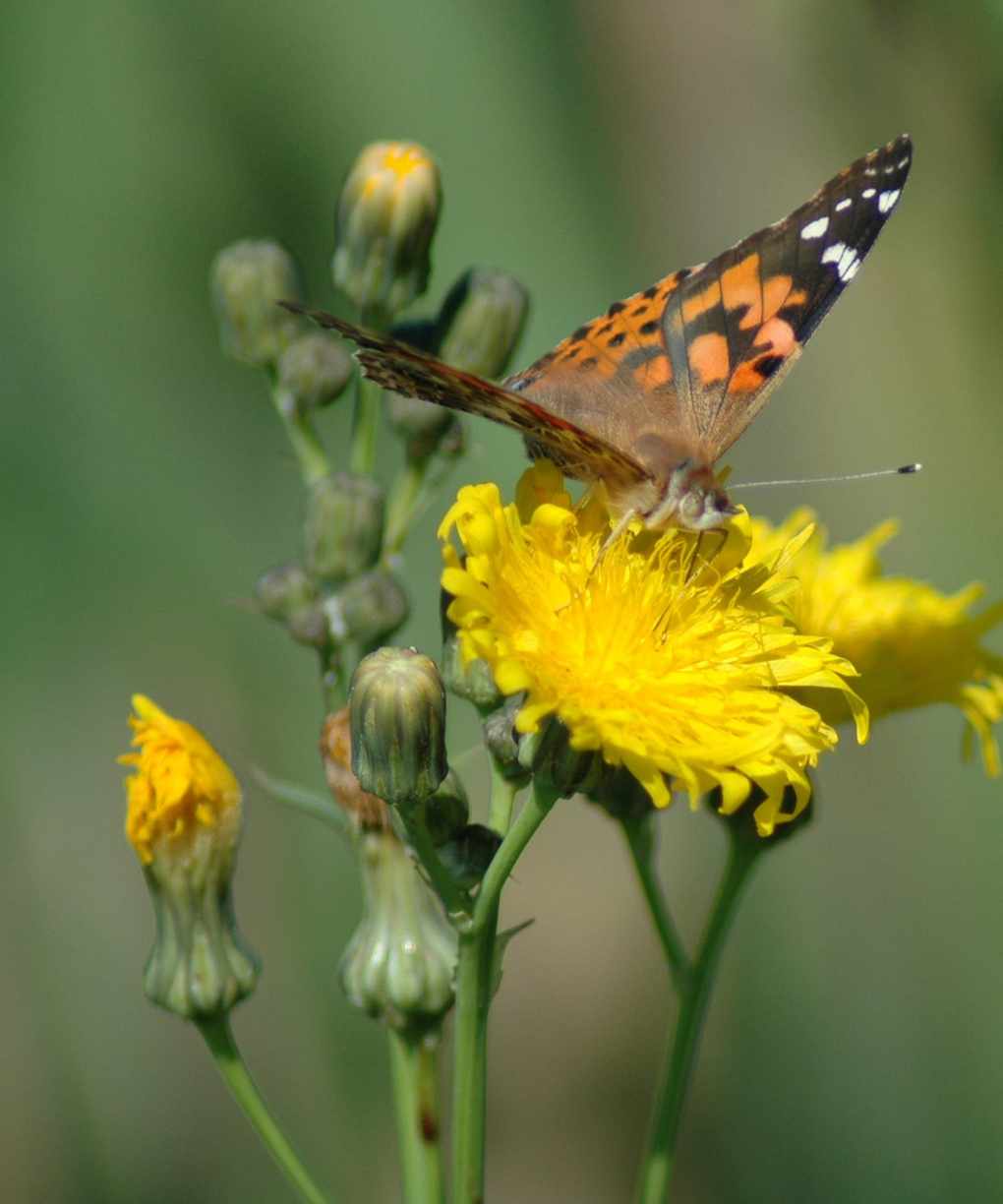
Even if you've spent hours researching how to eliminate dandelions, these vibrant yellow blooms are highly sought after by bees and butterflies.
“Dandelions are vital in early spring,” Sarah states. “They offer essential pollen and nectar, making them crucial for bees.”
You may even see ants enjoying the nectar of dandelions on warm summer days. As these weeds often grow mixed with grass, it’s wise not to mow your lawn too early in the spring if you wish to support pollinators.
“Allowing dandelions to go to seed is key for maintaining a consistent food source for bees year after year,” Sarah adds.
Dandelions thrive in US hardiness zones 2 to 11.
2. Fleabane
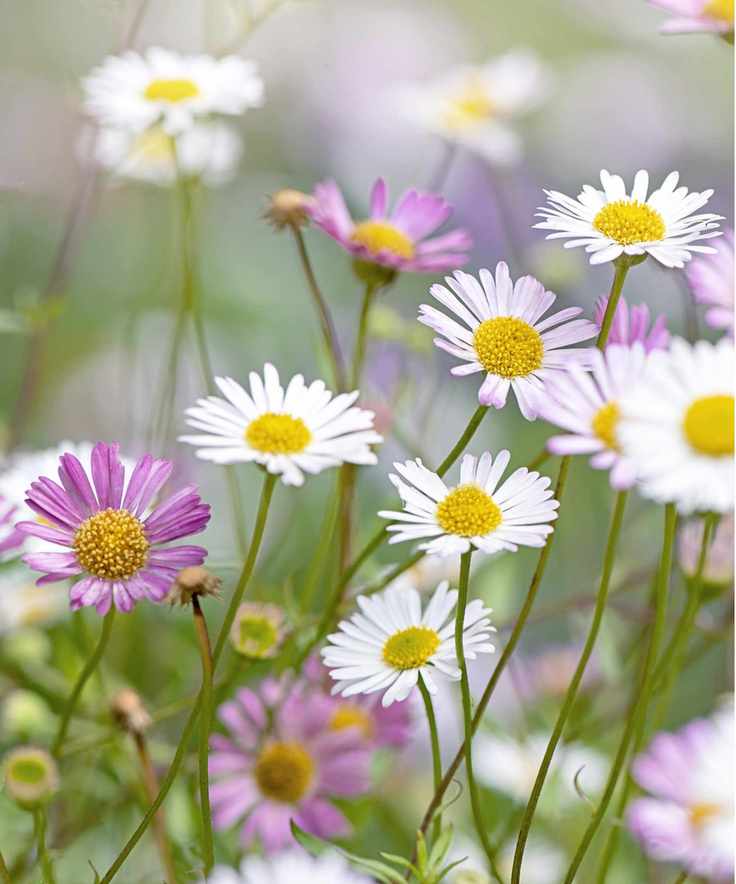
Fleabane is another self-seeding flowering weed that can pop up throughout your yard. Like dandelions, these blooms serve as excellent food sources for pollinators.
“Fleabane provides nectar to overworked pollinators that urgently need nourishment. Various insects, including beetles and tiny invertebrates, are drawn to these flowers,” notes Sarah.
“Allowing this plant to seed can also attract sparrows, goldfinches, and ground finches, who enjoy the seeds,” she adds.
Fleabane grows in US hardiness zones 3 to 8.
3. White Clover
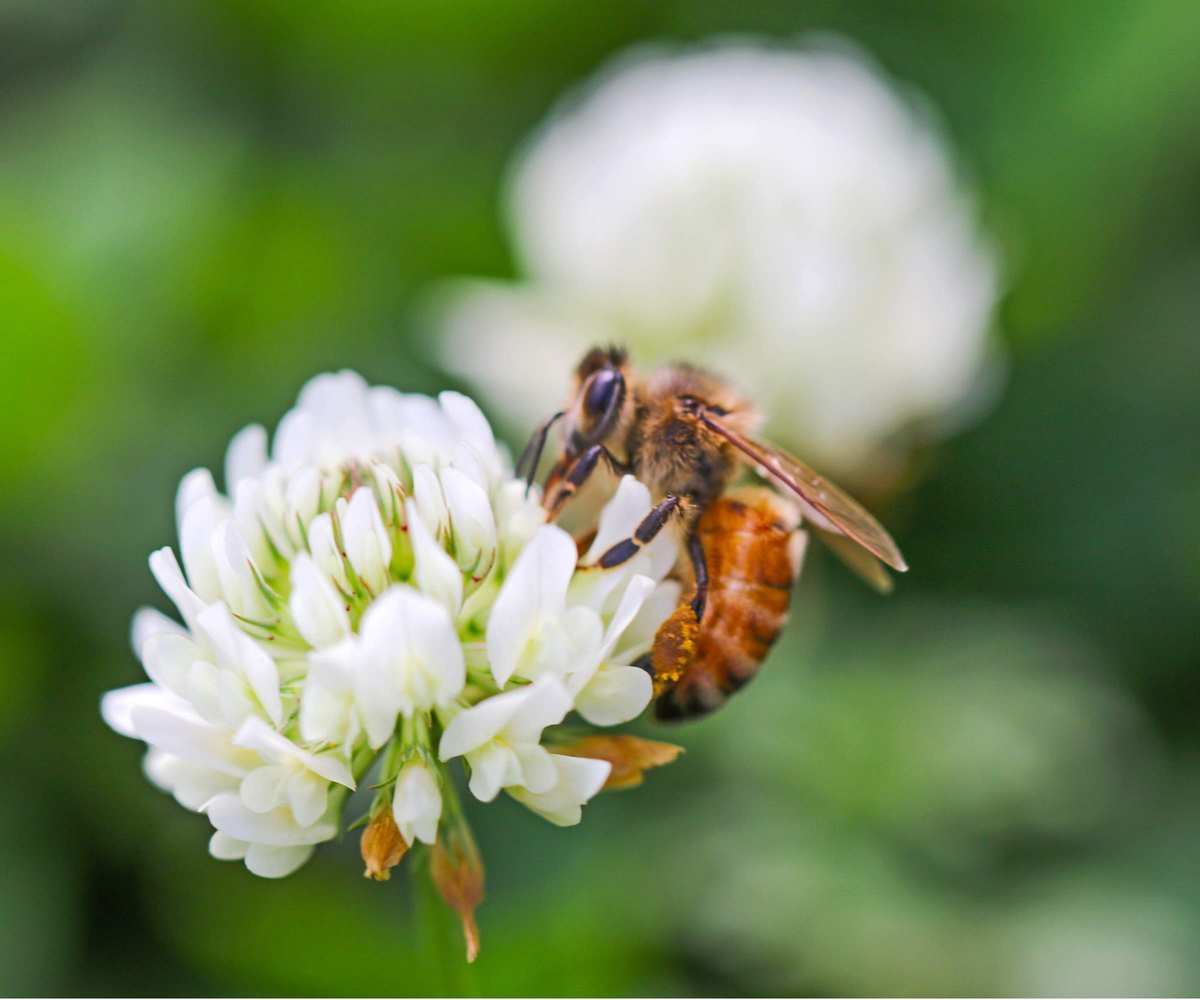
You may also find white clover popping up in your lawn.
“White clover is an outstanding contributor to pollinator blooms,” says Brad LaFoy, a land manager at Blackberry Mountain, Tennessee. “When grown en masse, white clover can enhance the attractiveness of a lawn. It stays low to the ground, allowing it to thrive without frequent mowing.”
This small, fluffy flower flourishes in US hardiness zones 3 to 10 and is often seen during initiatives like No Mow May.
Design a Pollinator-Friendly Garden
Bug Hotel
This durable insect hotel is rain-resistant and provides various sections to attract helpful insects and pollinators.
Wildflower Seed Mix
Scatter these sun-loving wildflower seeds to brighten your backyard and invite bees, butterflies, and more. This mix contains 18 flower varieties.
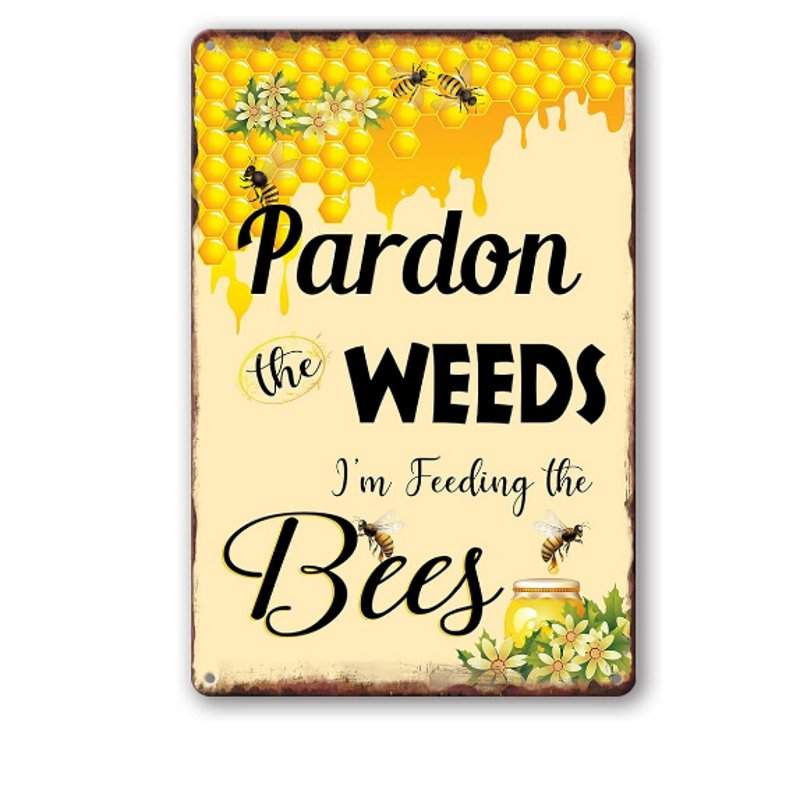
Bee Garden Sign
A sturdy metal sign for your pollinator garden that can be easily mounted and features rounded edges for safety.
FAQs
When Should I Remove Flowering Weeds?
If you see flowering weeds like dandelions or white clovers in your yard, consider keeping them during spring. They are rich in nectar and essential for pollinators, so avoid removing them too soon.
If you want to control the spread of flowering weeds, consider removing them after they bloom but before seed formation. However, seeds can also be beneficial for pollinators, so think twice about removing them. Always research the weeds in your yard to ensure you're not keeping any invasive species.
Preserving flowering weeds can enhance your backyard's appeal while supporting pollinators. These nectar-rich plants are essential for visiting insects and birds. To further aid pollinators, consider building a bug hotel or practicing meadowscaping.