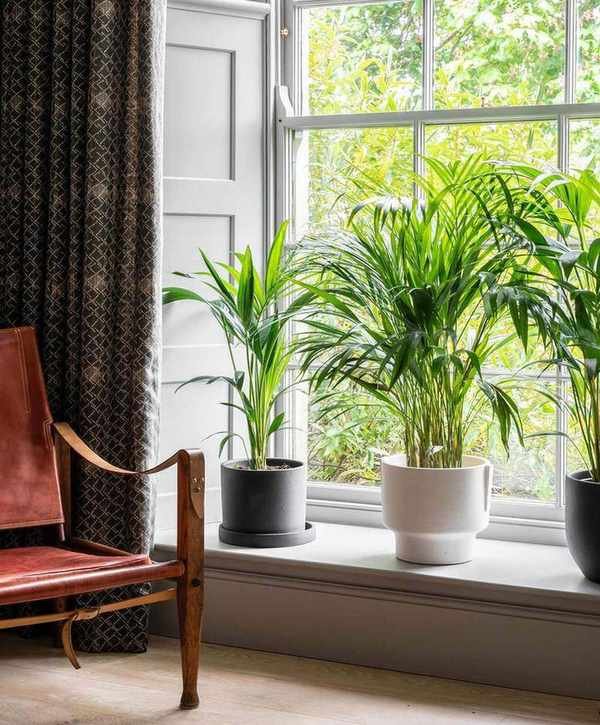
Indoor trees serve as stunning focal points in any room, and their numerous health benefits—like purifying air, reducing stress, and uplifting mood—are widely recognized.
With a variety of textures, shapes, and colors, indoor trees can transform your space dramatically. Layering them with smaller plants at various heights amplifies their visual impact.
'Incorporating greenery softens your living area and adds unique character,' notes a plant expert.
Don't limit greenery to the living room; these trees can enhance any space, from a tall palm draping over a bathtub to a yucca brightening a sunny bedroom.
'Experiment with different sizes and shapes to add depth and interest to your favorite areas,' the expert adds.
Top Indoor Trees
Choosing the right indoor tree involves understanding its specific needs, as some thrive in low light while others prefer bright sunlight. Certain species even require higher humidity levels to flourish.
Besides selecting the ideal location, proper care is essential, especially during winter when light is scarce and indoor temperatures can fluctuate.
1. Best Low Light Indoor Tree: Parlor Palm (Chamaedorea elegans)
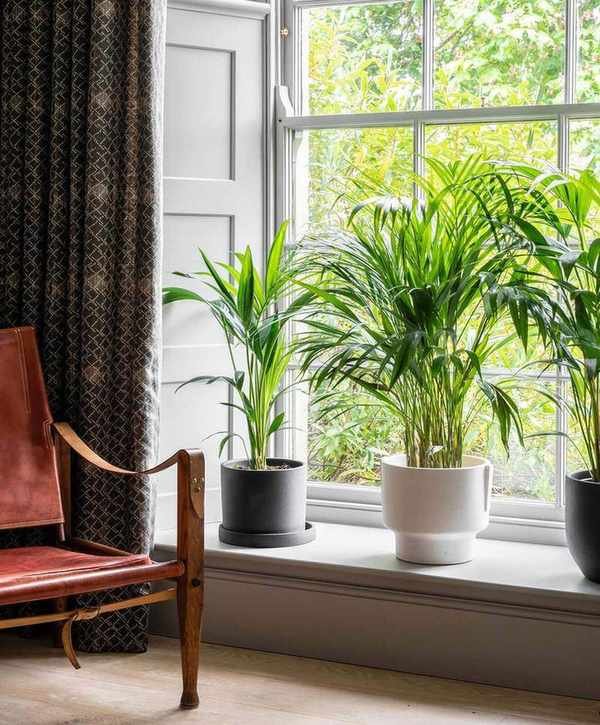
Parlor palms are robust indoor trees that tolerate low light and inconsistent watering. While they prefer bright rooms, they thrive in north- or east-facing windows to avoid harsh sunlight.
These slow-growing trees, reaching 3 to 4ft, also purify the air. Water them less frequently in winter, allowing the soil to dry completely between waterings.
2. Fiddle Leaf Fig Tree (Ficus lyrata)
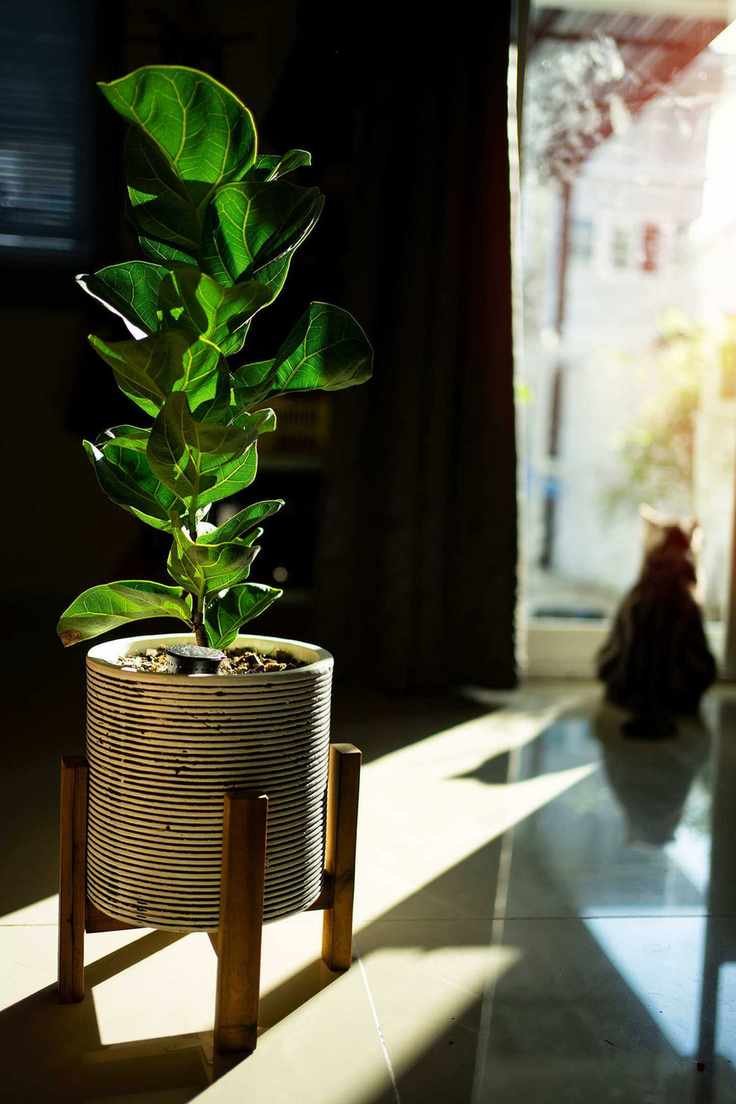
With its striking, paddle-shaped leaves, the fiddle leaf fig tree is perfect for adding a pop of green to your decor.
'They thrive in conservatories with moderate temperatures and require bright, indirect light—an east-facing window works best. However, keep them away from pets,' advises a gardening specialist.
Young trees have denser foliage, which becomes more spread out as they mature. Water when the top inch of soil is dry.
3. Calamondin Orange and Other Citrus Trees
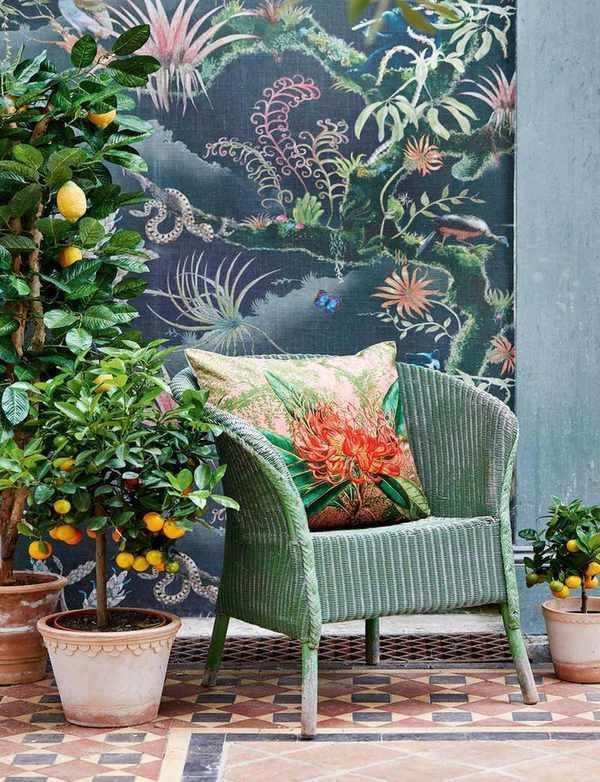
Calamondin citrus trees, known for their lovely orange-scented blossoms in spring, can reach up to 20ft tall, although indoor varieties are typically smaller.
They produce small, tangy fruits and require careful attention, thriving in humid environments. Citrus trees need ample sunlight and can make a delightful addition to a bright kitchen or conservatory.
'Plus, homegrown fruit is a fantastic perk!' notes an expert.
4. Dwarf Date Palm/Pygmy Date Palm (Phoenix roebelenii)
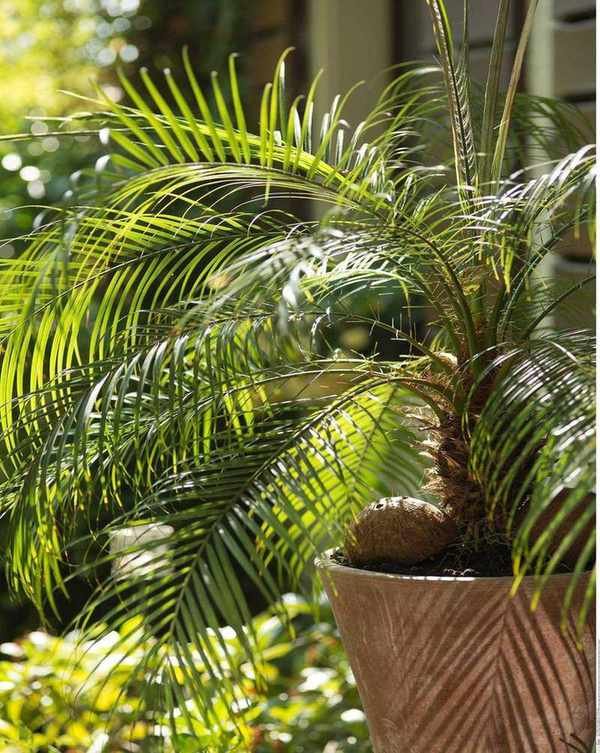
The dwarf date palm, also known as the pygmy date palm, is a compact and popular choice for indoor planting.
This slow-growing tree offers excellent air-purifying qualities and is easy to care for, thriving best with plenty of direct sunlight.
5. Best Tall Indoor Tree: Money Tree (Pachira aquatica)
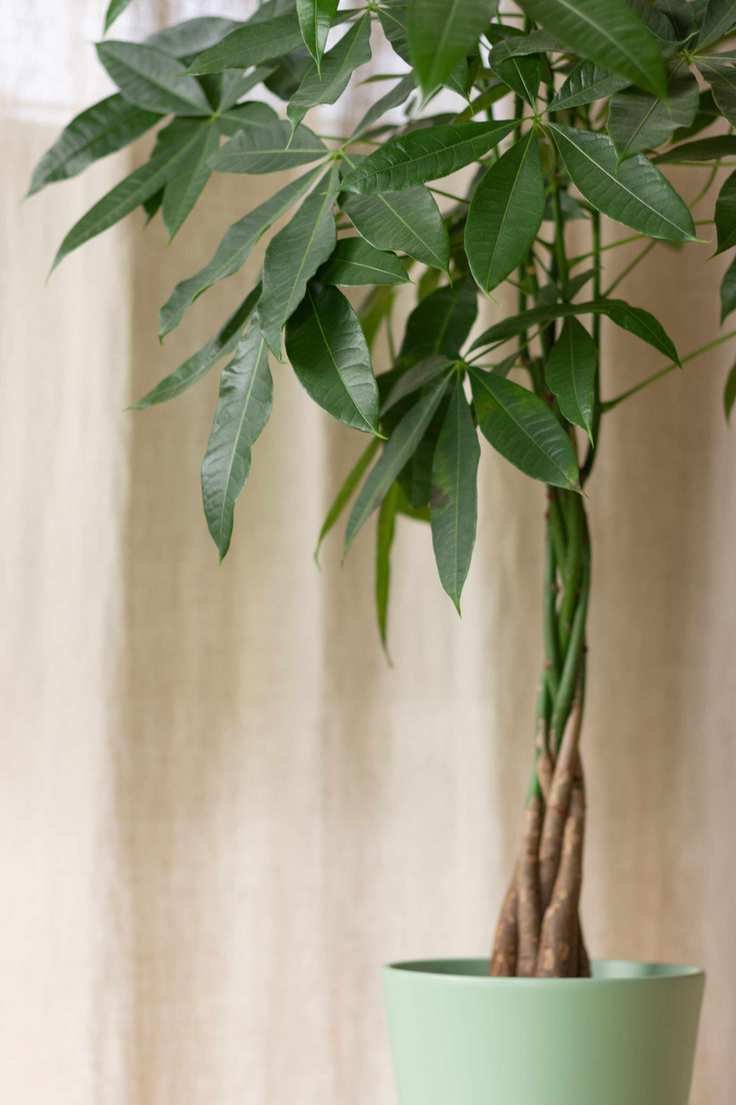
The money tree is known for its unique braided trunk and umbrella-like foliage, bringing a tropical vibe to your home.
'It prefers bright spots to flourish,' shares a plant shop co-founder. 'It's low maintenance and can grow up to six feet tall, making it suitable for humid areas like bathrooms.'
Originally from the wetlands of South and Central America, this tree thrives in damp soil, so ensure you keep it well-watered.
6. Weeping Fig (Ficus benjamina)
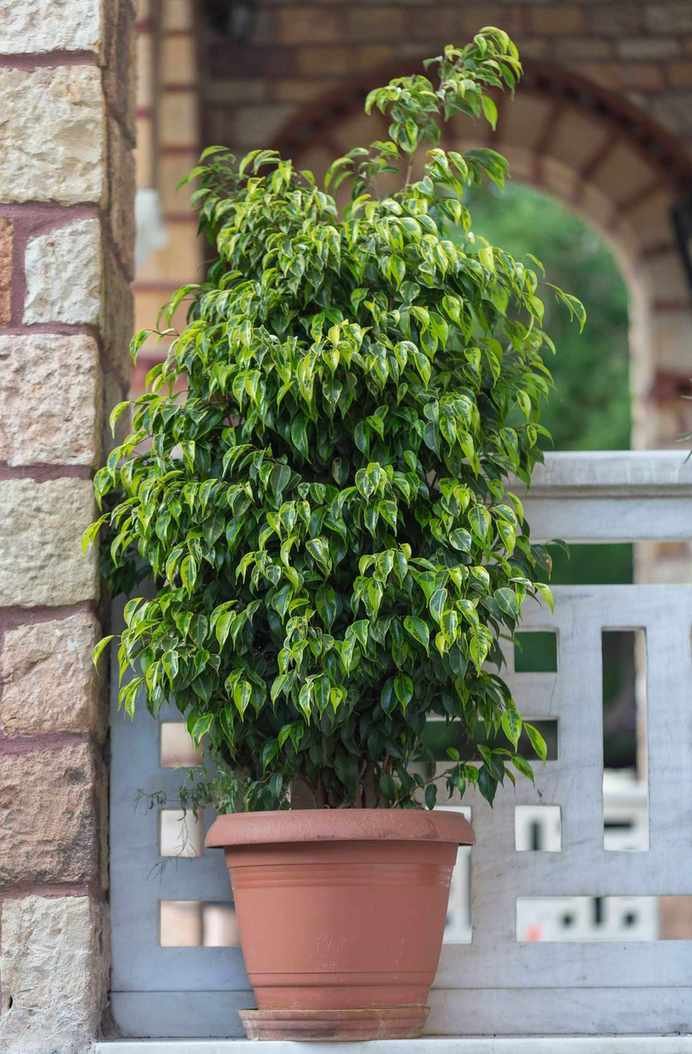
The weeping fig is more adaptable to low light compared to many other trees and requires moderate watering, making it a lower maintenance option.
Be mindful of sudden changes in temperature or light, which can cause leaf drop. Consistency is key, especially during winter months.
7. Yucca
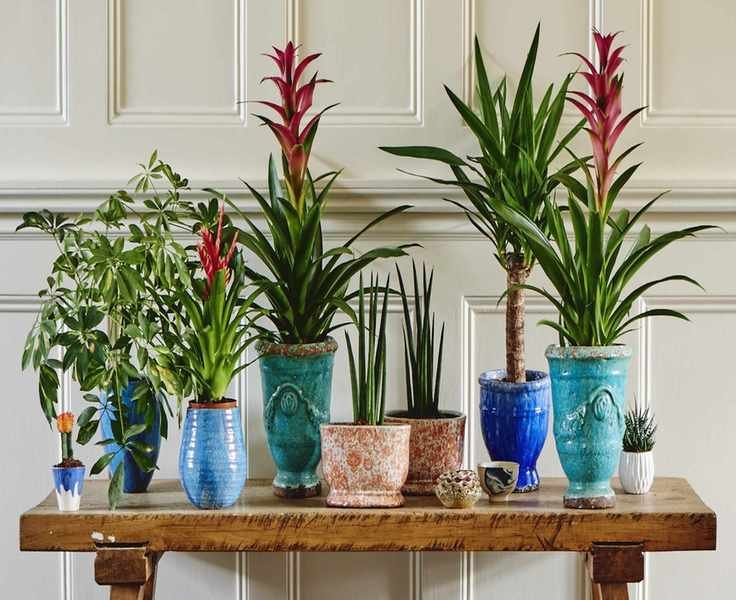
The yucca features spiky, sword-like leaves atop sturdy stems, making it a striking choice.
It thrives in bright sunlight and is drought-resistant, requiring infrequent watering, making it perfect for those who may forget to tend to their plants.
8. Rubber Tree (Ficus elastica)

Rubber trees, known for their resilience, are ideal for those who may neglect their plants. They need weekly watering, less in winter, and prefer medium light.
They flourish in humid conditions but adapt well to drier environments as well, making them easy to care for.
What is the Easiest Indoor Tree to Grow?
Determining the easiest indoor tree varies by individual plant preferences regarding light, humidity, and watering. With proper research and care, your chosen tree can thrive.
For those unsure about their plant-care skills, a dragon tree (Dracaena marginata) is a hardy option. This attractive plant features slender leaves with red or yellow edging and adapts well to container growth.
Dragon trees can tolerate low light and require minimal watering, making them forgiving for busy plant parents.
Which Indoor Tree Does Not Need Sunlight?
While no indoor tree can thrive without sunlight, some can survive with minimal light. Trees like the weeping fig and money tree can tolerate life in lower-light spaces with occasional exposure to brighter areas.