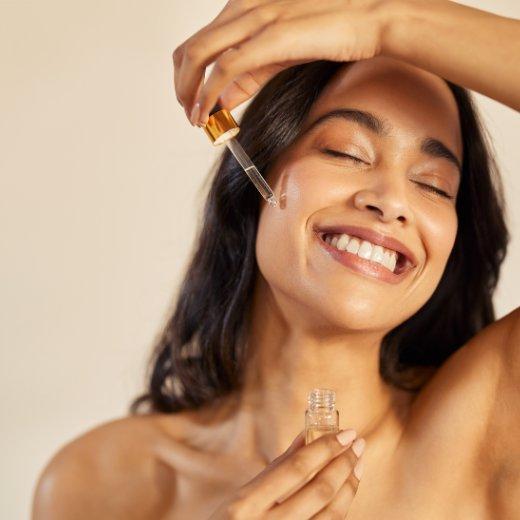
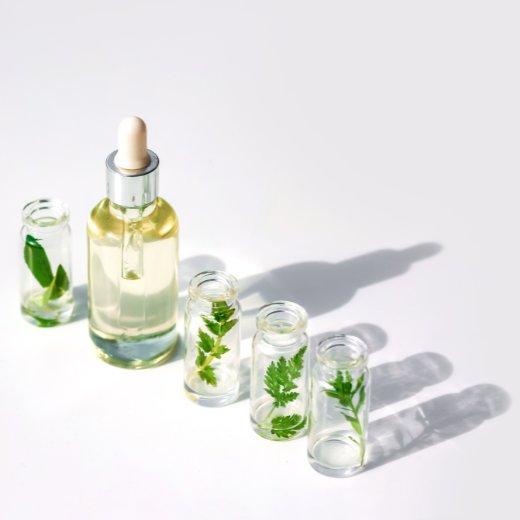
Facial serums are potent, lightweight essentials in any skincare routine. However, not all serums are the same. The ingredients within them can significantly impact your skin's health. Let's break down some must-have components for your next serum.
Vitamin C: The Skin Brightener
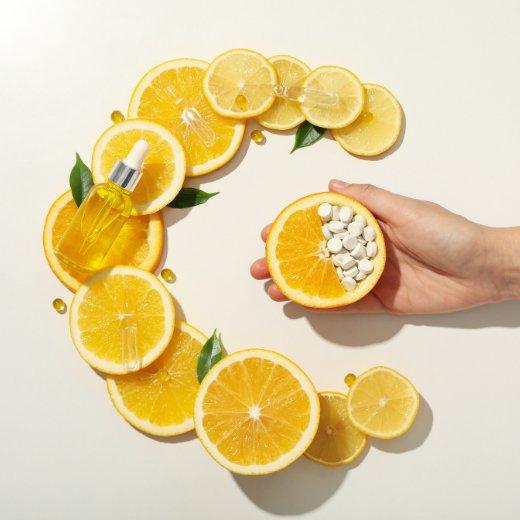
Vitamin C is a celebrated ingredient known for its skin benefits. Beyond supporting your immune system, it serves as a powerful antioxidant that combats free radicals, which can accelerate aging.
This vitamin is also effective at brightening skin tone and diminishing dark spots or sun damage. Look for serums that feature 'ascorbic acid,' the most potent variant of vitamin C. A quality vitamin C serum can leave your complexion looking vibrant and luminous.
The Murad Vita-C Glycolic Serum stands out, boasting stable vitamin C and glycolic acid. Users often notice a significant brightening effect within just two weeks.
Retinol: The Anti-Aging Agent
Retinol is a key player to consider, especially for those dealing with fine lines and uneven skin texture. This vitamin A derivative encourages cell turnover, leading to fresher skin.
It promotes smoother, younger-looking skin. However, retinol can irritate sensitive skin, particularly initially. It's wise to do a patch test and possibly start with a lower concentration. For newcomers, Revision Retinol Complete 0.5 is a highly recommended option.
Hyaluronic Acid: The Hydration Hero
Hyaluronic acid is a common ingredient for good reason. It can retain up to 1,000 times its weight in water, making it incredibly effective for hydration, especially for those with dry skin.
Niacinamide: The Multi-Functional Powerhouse
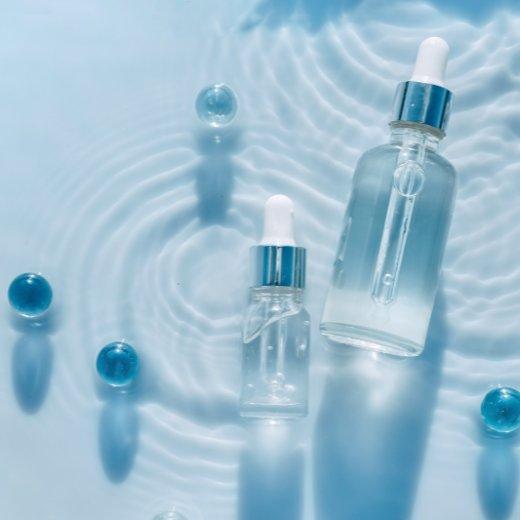
Niacinamide, also known as vitamin B3, balances oil production, minimizes pore appearance, and has anti-inflammatory properties that help reduce redness and irritation. It pairs well with other strong ingredients like retinol and vitamin C, making it a versatile choice.
The PCA Skin Vitamin B3 Brightening Serum is a fantastic starting point, offering an advanced formulation that targets discoloration, redness, and skin yellowing for a more even tone.
Peptides: The Structural Support
Peptides are short amino acid chains that contribute to the formation of critical proteins such as collagen, elastin, and keratin. These proteins are vital for maintaining skin's texture, strength, and elasticity. Choosing a peptide-infused serum can encourage collagen production, promoting a youthful appearance.
AHA/BHA: The Exfoliating Agents
Alpha hydroxy acids (AHAs) like glycolic and lactic acid, along with beta hydroxy acids (BHAs) such as salicylic acid, excel at exfoliating the skin. They help slough away dead cells and facilitate deeper absorption of other serum ingredients. However, they may increase sun sensitivity, so sunscreen is a must.
Antioxidants: The Skin Defenders
Other than vitamin C, antioxidants such as vitamin E and green tea extract are fantastic for your skin's defense against environmental harm. They also aid in skin repair, and using a combination can amplify protective benefits.
Squalane: The Natural Moisturizer
If you're in search of a gentle, natural moisturizer, squalane is ideal. Sourced from olives or sugarcane, it mimics the skin's natural oils, providing hydration without clogging pores.
Squalane suits all skin types and boasts antioxidant properties to combat skin damage. It's like a mediator, ensuring balanced moisture levels while keeping your skin soft.
Choosing the right serum can be overwhelming, but understanding these key ingredients empowers you to make informed choices. The most effective serum is tailored to your skin's unique needs. Always check labels when you shop – you're now ready to select the perfect serum for your routine!
For insights on minerals in skincare, click here.