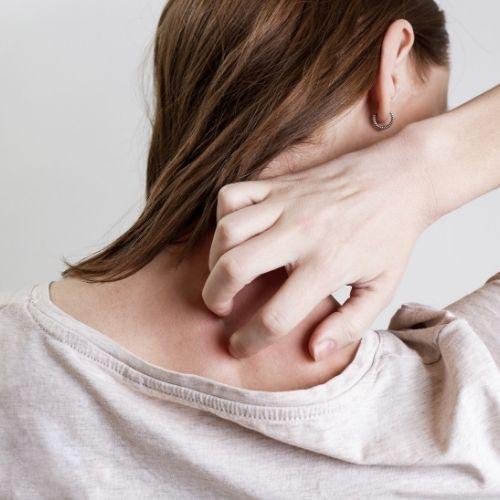
Cold, windy weather, harsh skincare products, low humidity, and extended water exposure can contribute to dry skin, especially for those with eczema. This condition not only affects your appearance but also your comfort.
To combat eczema, it's vital to maintain skin hydration. Moisturizers play a crucial role in protecting the skin's outer layer, known as the skin barrier.
However, not all moisturizers and eczema treatments are equally effective. In fact, some common products can exacerbate eczema symptoms rather than alleviate them. Choosing the right products is essential.
If you're dealing with eczema and unsure of what to use, we're here to guide you. Here's a rundown of the most effective products for eczema-prone skin. Let's get your skin hydrated!
Medications
For severe eczema, consulting with a healthcare provider about prescription medications is advisable.
These medications can significantly alleviate symptoms and promote healing when used correctly. However, treatments vary in effectiveness, so you may need to experiment with different options under your doctor's supervision.
Sometimes, switching medications is necessary when current treatments become less effective. Common eczema medications include corticosteroid creams, gels, and ointments.
Hydrocortisone steroids are often recommended for relieving itching and reducing inflammation. Over-the-counter hydrocortisone is typically the first choice for mild eczema. Depending on your symptoms and their location, different steroid strengths may be prescribed.
For instance, if you're experiencing peeling or flaking skin, a stronger medication might be necessary.
Another frequently prescribed option is a non-steroidal anti-inflammatory ointment known as crisaborole (Eucrisa), which is effective for mild to moderate eczema.
This ointment helps reduce redness and inflammation, promoting a healthier skin appearance.
Creams
Creams are excellent for sealing in moisture, and the right choice can alleviate eczema symptoms effectively. If your eczema is mild, consider a high-quality moisturizer formulated specifically for this condition.
Since creams typically contain less oil than ointments, they feel lighter on the skin and are more convenient for daily use. No one wants their skin to feel greasy.
When selecting a moisturizer for eczema, read the labels carefully. Some creams may include additives or preservatives that could irritate sensitive skin.
A great option is a healing moisture cream that soothes red, irritated skin. Formulated with beneficial ingredients, it can promote healing while detoxifying pores and combating acne-causing bacteria.
Oils
Essential oils are another popular remedy for eczema-prone skin. These concentrated plant extracts are typically used in aromatherapy but can also be effective for topical applications.
For treating eczema, consider using a nourishing essential oil blend. Such oils are rich in antioxidants and include a mix of beneficial plant extracts. This blend provides a boost of vitamins and nutrients that enhance hydration and improve skin circulation.
Using these oils can replenish and soften the skin while visibly reducing eczema symptoms.
Skin Barrier Creams
Let's talk about skin barrier creams and their function.
These creams are formulated with lipids and ceramides, which are naturally occurring components in healthy skin barriers.
Lipids constitute the building blocks of skin and support cellular function. Ceramides, a type of lipid, create a protective layer in the outer skin.
The combination of lipids and ceramides in skin barrier creams helps retain moisture and shield against irritants. This empowers eczema-prone skin to heal and become more resilient to common symptoms like burning, itching, and dryness.
Be sure to apply skin barrier creams only to the affected areas for best results.
These creams are available both over-the-counter and by prescription.
Want more skincare tips? Here's how to tackle bacne effectively.