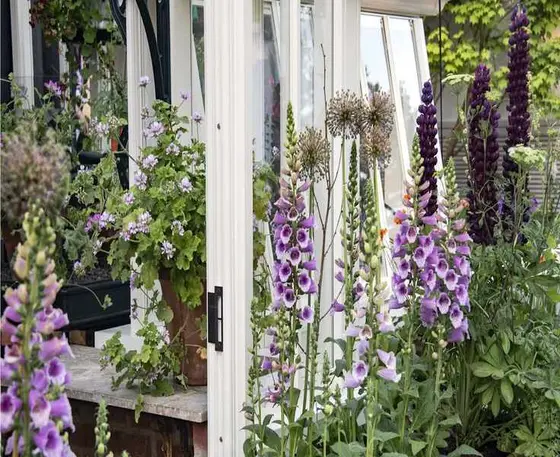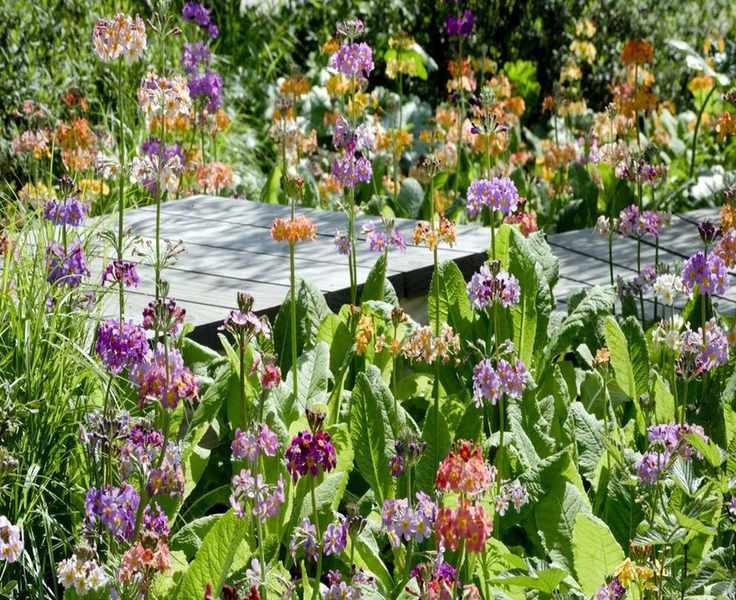
Self-seeding flowers are perfect for those who wish to create a natural wildflower garden. These adaptable plants, whether annuals or perennials, thrive almost anywhere, adding a burst of color with little effort.
Encouraging wildlife is another benefit of self-seeders. Many species, like blue vervain, attract birds, bees, and butterflies. It's essential to let these plants do their thing—allowing them to set seed and bloom without interference ensures a continual display of flowers.
If you're keen on nurturing an eco-friendly garden, consider incorporating these self-seeding varieties. Below, I highlight some personal favorites from my experience as a professional gardener.

Top Self-Seeding Flowers
Self-seeding plants spread their seeds throughout your garden, taking root in borders, pots, and even those tricky nooks like cracks in walls.
As a gardener, I wholeheartedly endorse self-seeding plants. They provide a continuous and free floral display, creating a lovely cycle of bloom, seed, and rebloom.
These flowers are also a hit with pollinators, making them a top choice for anyone interested in wildlife garden ideas.
1. Candelabra Primulas
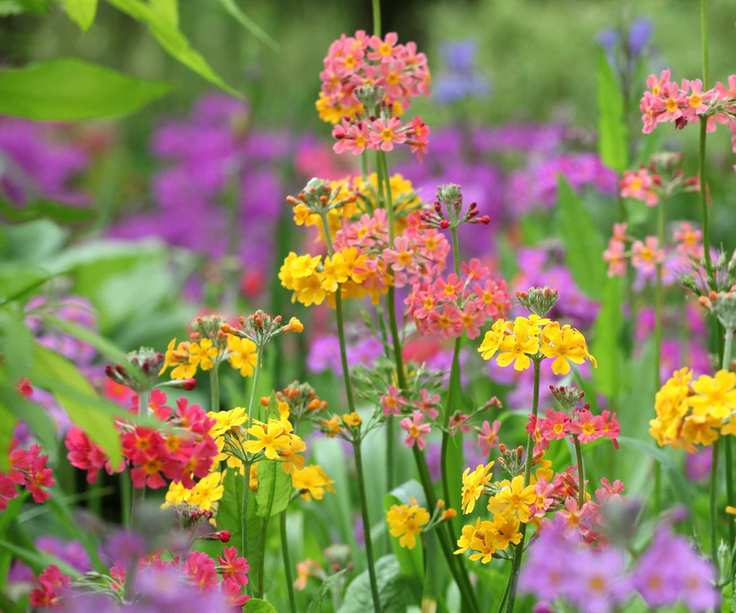
Candelabra primulas thrive in damp areas, making them perfect for wet soil. They flourish in US hardiness zones 6 to 8 and require consistent moisture.
According to a gardening expert, 'Candelabra primulas will shine in moisture-rich gardens, offering vibrant hues of orange, red, and purple.'
Plant these beauties along riverbanks or in bog gardens, ensuring you leave the faded stems to set seeds.
Order candelabra primulas from Amazon.
2. Satin Flower
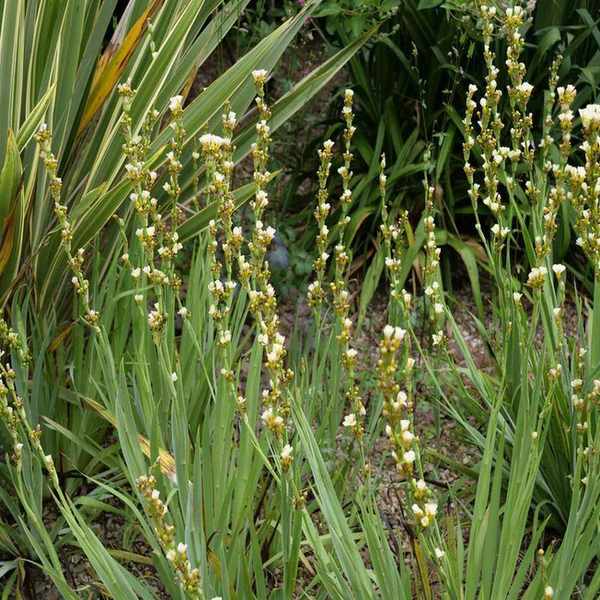
Satin flowers, or Sisyrinchium striatum, are eye-catching with their iris-like foliage, perfect for adding height to your borders.
Growing best in US hardiness zones 5 to 9, they showcase small yellow blooms in late spring. In milder climates, they can stay evergreen through winter.
This perennial is a proficient self-seeder, so let the flower stems mature after blooming.
Other varieties such as Sisyrinchium angustifolium, can be found online at Walmart.
3. Poppies
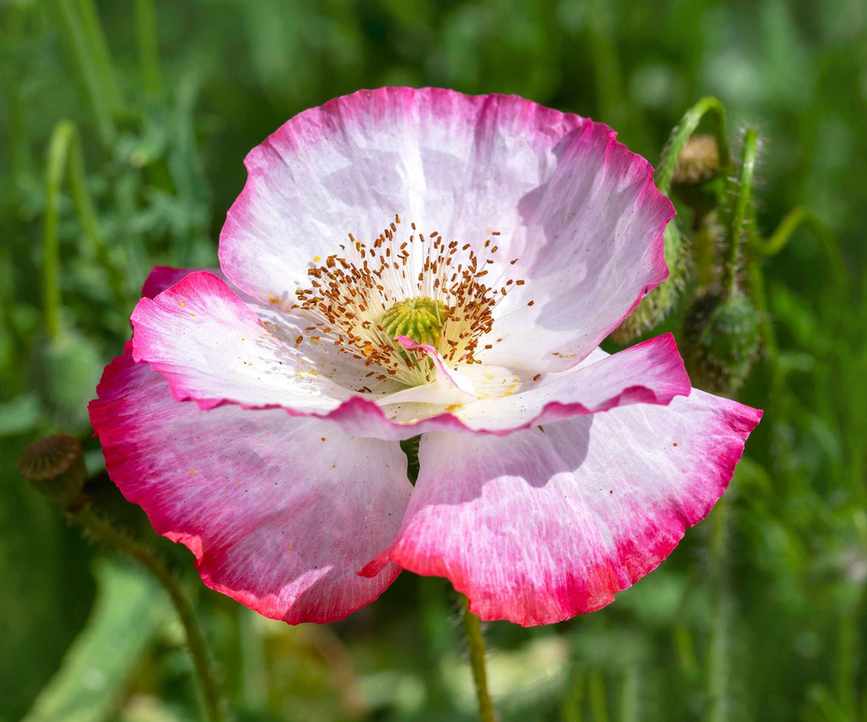
With over 250 species, poppies bloom in various shapes, sizes, and colors. Depending on the type and climate, they can either be annuals or perennials, providing vibrant flowers through spring and summer.
For optimal growth, poppies prefer sunny spots with well-drained soil. Many, like corn poppies and the Welsh poppy, are prolific self-seeders.
Once the seed pods start to dry, carefully open them to scatter hundreds of seeds in your chosen garden areas.
Poppy seeds can be purchased online from Burpee.
4. Forget-Me-Nots

Forget-me-nots are beloved in cottage gardens for their charming flowers that enhance paths or borders. Thriving in US hardiness zones 3 to 8, they're among the best spring flowers for shaded areas.
These versatile flowers can bloom in pink, white, or light blue, perfect for brightening up darker garden spots. Once established, they'll self-seed and return each year.
Forget-me-not seeds are available online at Walmart.
5. Verbena

For naturalistic gardens, blue vervain, Verbena hastata, is an excellent choice. This native plant self-seeds readily.
According to a plant expert, 'Though the foliage is coarse, the tall purple-blue flowers are graceful and attract pollinators.'
Growing in moist or average soil in full sunlight, these spikes should be allowed to mature and scatter seeds, providing fall interest when touched by frost.
Purchase blue vervain plants from Nature Hills.
What self-seeder is best for dry, sunny areas?
California poppies, Eschscholtzia californica, are ideal for dry, sunny gardens. Native to warm regions of the US and Mexico, they self-seed abundantly, filling your garden with colorful blooms.
Order California poppy seeds from Walmart.
By planting self-seeding flowers, you ensure a vibrant, ongoing supply of blooms each year, attracting pollinators to your garden. For more guidance on growing these plants, check out our tips on establishing a wildflower front yard.