
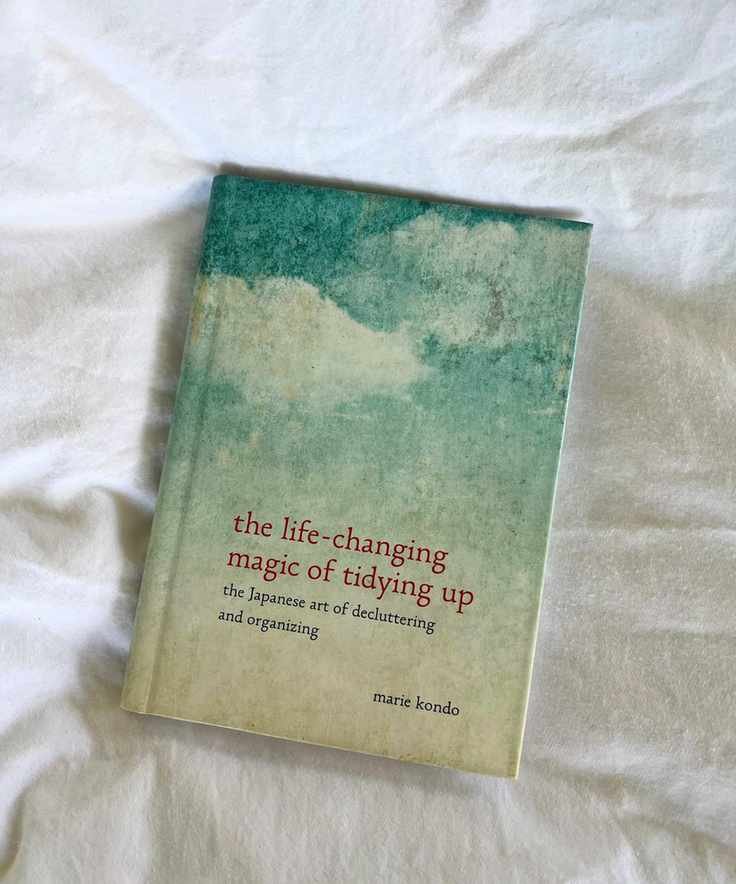
Marie Kondo has become a household name in home organization, celebrated for her philosophy of minimalism and order. When my partner's parents gifted me a secondhand copy of The Life-Changing Magic of Tidying Up, I was eager to explore her methods and insights.
As I read through the concise yet impactful book, I found myself grasping Kondo's approach to decluttering and organizing. Here's a summary of the key lessons I took away.
Lessons from 'The Life-Changing Magic of Tidying Up'
1. Tidying can truly transform your life
Marie Kondo asserts, 'Having devoted more than 80 percent of my life to this subject, I know that tidying can transform your life.' It's a notion I understood but hadn't fully appreciated until now. For Kondo, a tidy home leads to happiness.
'A dramatic reorganization of the home leads to profound changes in lifestyle and mindset,' she explains. 'It is life transforming.'
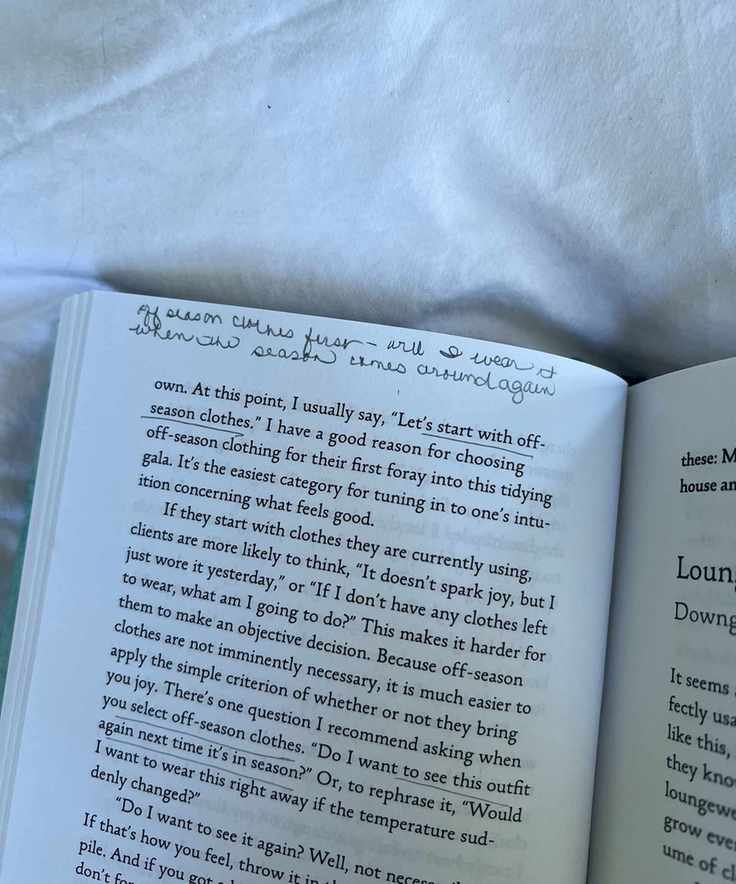
My annotated copy, with notes from the previous reader.
My copy of this wonderful book traveled from Sweet Pickle Books in NYC, complete with handwritten notes from its previous owner. I like to imagine they experienced a significant transformation through tidying.
All prices correct at time of publication.
With nine million copies sold, this book is packed with insights in just 200 pages, making it accessible for readers of all ages.
2. You must learn how to tidy
Marie shared in a recent interview that it's crucial to learn how to tidy. She points out a common misconception: 'In Japan, it's assumed tidying is intuitive, learned naturally, much like cooking skills.'
However, she emphasizes that we are largely self-taught in tidying. If you're struggling to organize your space, it's likely because you haven't learned the right techniques.
3. Aiming for perfection is acceptable
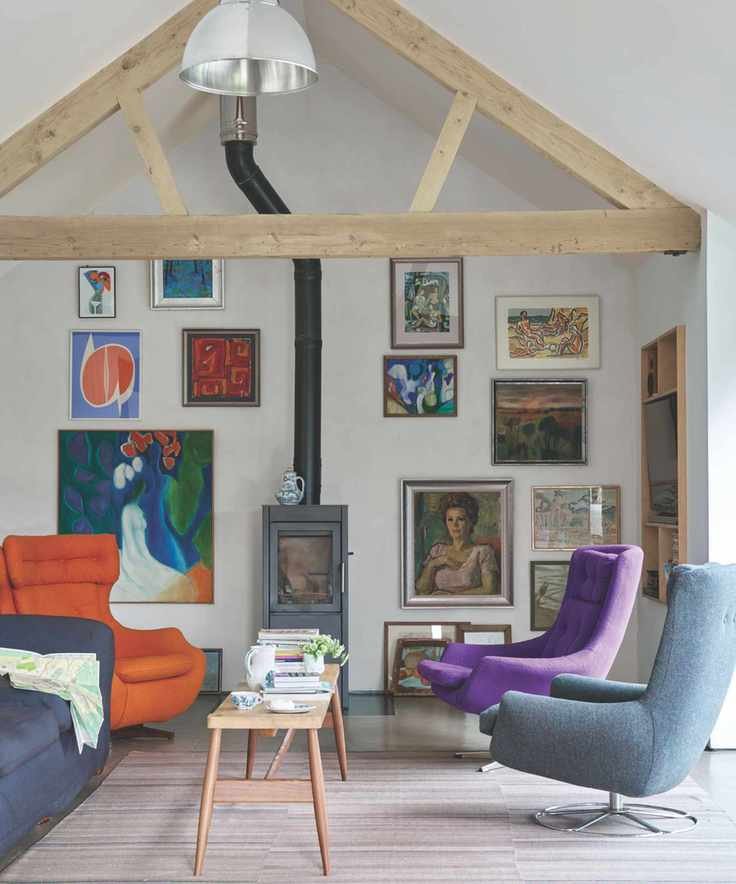
Kondo's take on tidying is refreshing. While many organizing methods focus on incremental changes, she advocates for a 'tidying marathon' to achieve real transformation. She insists on aiming for perfection.
According to her, 'Tidying provides visible results. It's essential to tidy all at once. A profound change affecting your emotions will influence your thinking and lifestyle. My clients have remained clutter-free after their tidying marathons.'
While it's not necessary to clear your entire home in one day, experiencing quick, positive changes will enhance your motivation to maintain order.
Kondo stresses that 'Success comes from seeing immediate results. If you focus on eliminating clutter effectively in a short time, you'll feel empowered to keep your space organized.' So, strive for perfection just once to revolutionize your organizing approach.
4. Storage is not the same as organization

I once believed that using various storage solutions automatically equated to being organized. Kondo learned the hard way that this isn't true. She recalls, 'Despite having magazine racks and dividers, my room wasn't tidy.'
She realized she had merely concealed clutter instead of truly organizing it. Kondo recommends opting for open storage solutions like baskets and limiting what you keep in closets. If items won't fit, you have too much.
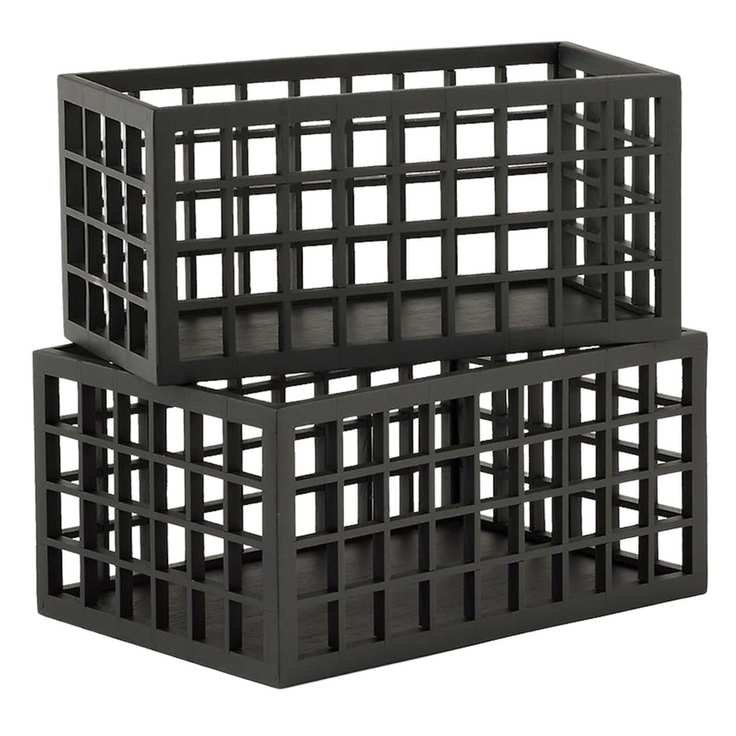 Handmade
Marie Kondo Shoji Bamboo Pantry Bin Ink Black
These bins, available in various sizes, help keep your pantry organized without complicating matters.
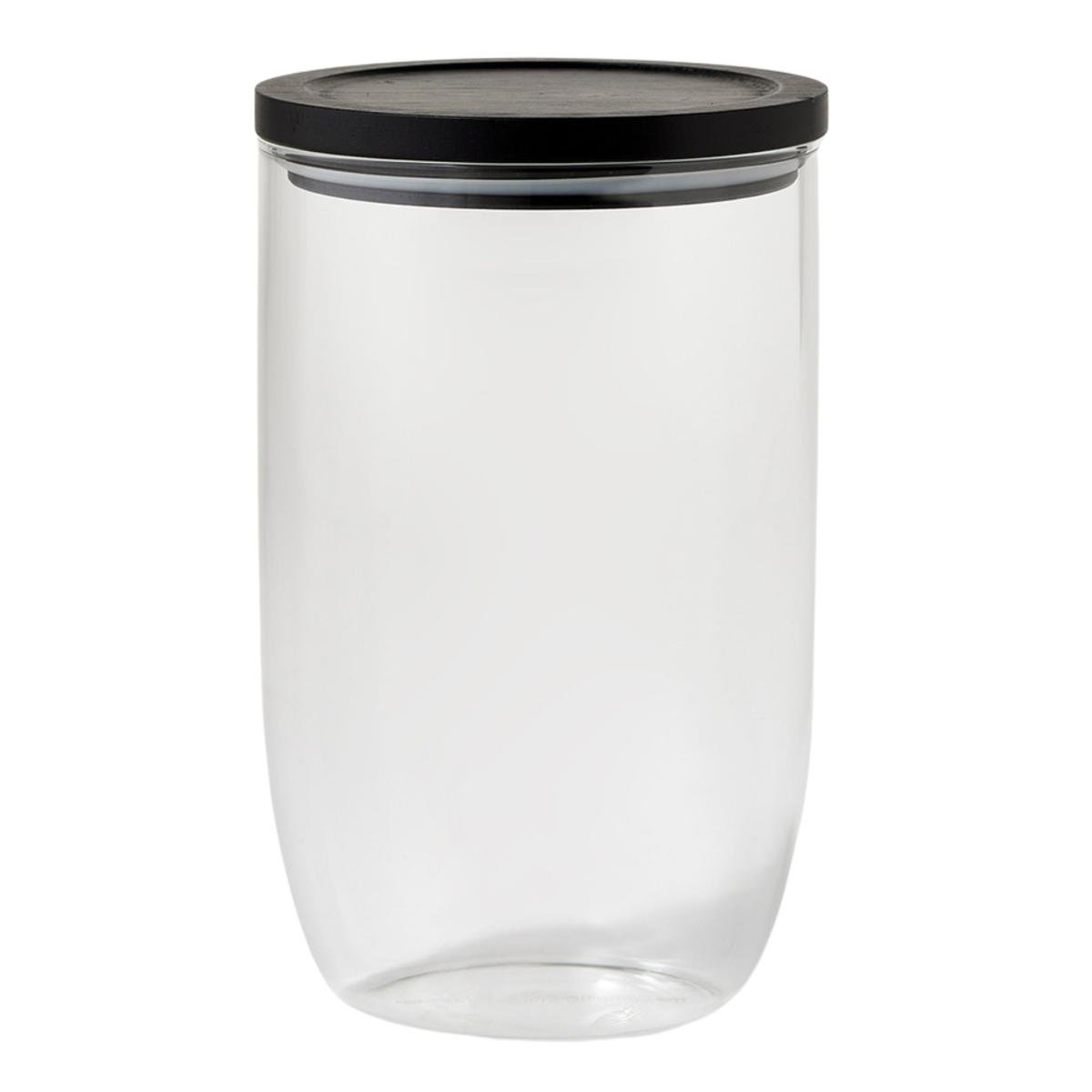 Available in three colors and sizes
These glass canisters help maximize surface space in kitchens, bedrooms, or bathrooms by keeping contents visible.
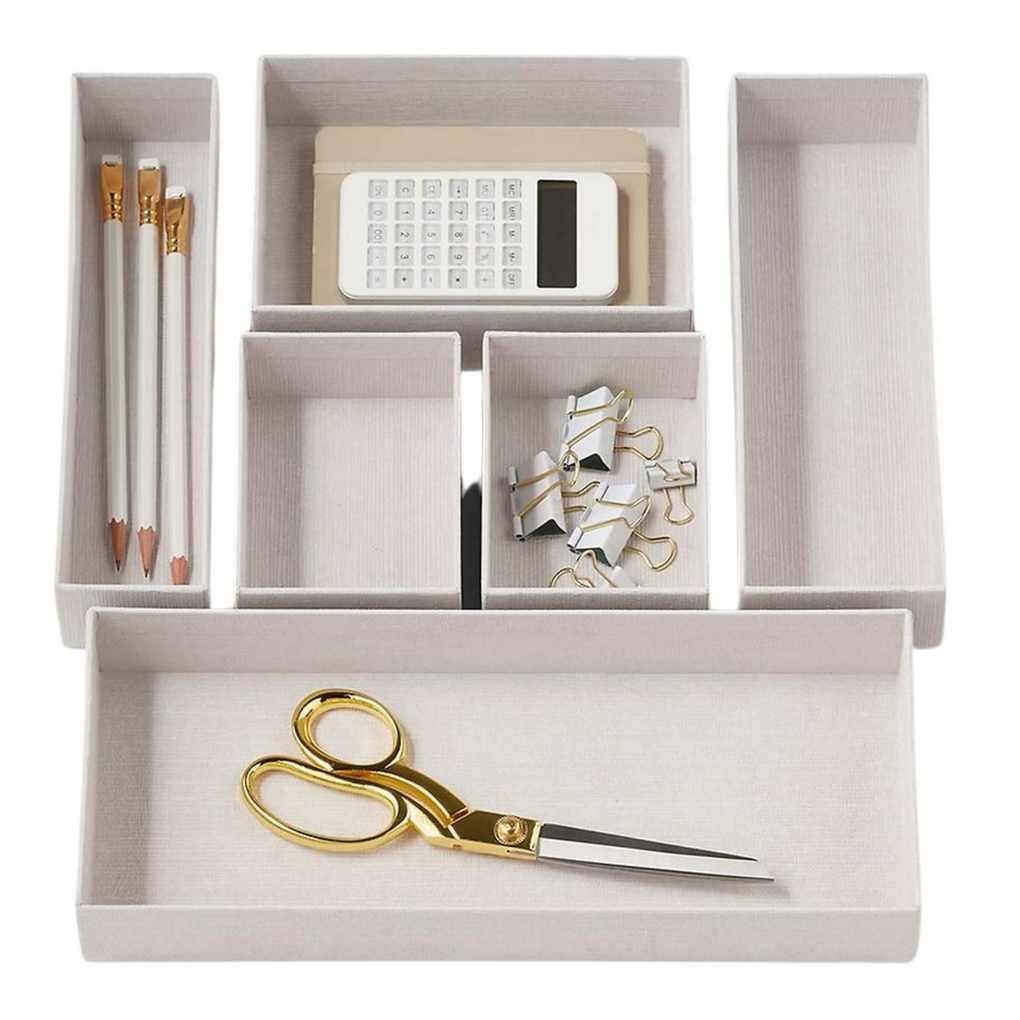 Sustainably designed
These stylish drawer organizers, made from recycled paperboard, are both elegant and functional.
5. Tidy by category, not by location
When organizing, tackling one room at a time often leads to scattered items. You might find beauty products in multiple locations or books strewn about.
Marie notes, 'Tidying by location causes us to overlook that we often keep similar items in various places, leading to redundant efforts.'
She advises tidying by category instead, dividing items into clothing, books, papers, komono (miscellaneous), and sentimental items. Gather all items in a category to declutter and organize effectively. This approach helps you clearly see what you own and what can be eliminated.
6. Focus on what to keep, not what to discard
Previously, I'd recommend using a basket to collect items for donation. However, Kondo emphasizes a different mindset. 'We should focus on what we wish to keep, not merely what we want to discard.'
She encourages us to cherish what we love. If an item brings joy, keep it; if it doesn't, let it go. Freelance writer Rebecca Shepherd has successfully used this method to declutter her closet, letting go of items that no longer spark joy.
7. Shoe boxes are excellent storage options
I've always held onto shoe boxes without a clear purpose, but Kondo argues they can serve as versatile organizers beyond just shoes. 'The empty shoebox is my favorite storage solution,' she writes. 'It excels in size, material, durability, ease of use, and aesthetic appeal.'
She suggests using them for organizing socks or even bathroom supplies. Their adaptability makes them a perfect solution for various spaces, from pantries to cleaning supplies.
Kondo has convinced me that many organization challenges can be tackled with a simple shoebox, so if you're struggling with storage, reconsider what's at your disposal.
FAQs
What are the five steps of the KonMari method?
The KonMari method consists of five fundamental steps: commit to tidying, envision your ideal lifestyle to guide your choices, discard before organizing to prevent hiding items, tidy by category, and ask if it sparks joy.
Though the KonMari method makes tidying seem effortless, it's essential to avoid common pitfalls, like neglecting to plan or taking the process lightly, which Kondo discusses in her Netflix show. I've learned that with the right mindset, tidying can indeed transform lives.