If you’ve ever struggled with insomnia, you know how frustrating it can be. The feelings of helplessness often accompany sleepless nights, leading to anxiety and stress. But what if you could regain control over your sleep? I recently discovered the concept of Zeitgeber rhythms, and it opened my eyes to how we can influence our sleep quality.
Realizing we can harness our body’s functions is intriguing, especially since we all desire restful sleep. Our brains can adapt and change with simple lifestyle tweaks. If you’ve been pondering how to reset your circadian rhythm, this is essential information.
Whether or not you're as passionate about this topic as I am, understanding how our environment affects our sleep is crucial.
Let's explore Zeitgeber rhythms and learn how to reset your internal clock using environmental cues like light, temperature, and meal timing.
Why Are Zeitgeber Signals Important?
Zeitgeber, a German term meaning timekeeper, refers to external factors that shape our circadian rhythms. These signals include environmental, social, and biological elements that guide our body’s internal clock. To grasp the concept of zeitgebers, it's helpful to understand circadian rhythms.
“Circadian rhythms are 24-hour cycles that are part of the body’s internal clock, running in the background to carry out essential functions and processes. One of the most crucial rhythms is the sleep-wake cycle, synchronized with a master clock in the brain, influenced primarily by light.”
The Sleep Foundation
Both circadian rhythms and zeitgebers are vital for proper functioning. When our circadian rhythm is aligned, we respond properly to these cues, promoting restful sleep. However, factors like blue light or irregular work hours can disrupt this balance. Understanding various zeitgebers can help us align our bodies with nature, optimizing our sleep and energy levels.
Modern life often disconnects us from the natural rhythms intended for our bodies, making it easy to disrupt our internal clocks. Below, I’ll delve into key zeitgeber signals and ways to optimize them for better sleep.

Zeitgeber 1: Light
Light and darkness are the most influential zeitgebers, significantly impacting our circadian rhythm. Our bodies adjust hormone levels—serotonin, melatonin, and cortisol—based on light exposure. Special retinal cells in our eyes detect these changes, even in those who are blind!
“In the morning, exposure to sunlight boosts cortisol production, signaling the start of the day. As night falls, melatonin levels rise, preparing the body for sleep.”
Have you ever turned on a light at night and struggled to fall back asleep? That’s your body receiving the wrong signal to wake up. Modern technology often confuses our internal clocks with false cues. Let’s explore how to support our bodies naturally and enhance our health.
How to Use Light to Your Advantage
Embrace the rhythms of light and dark to support your circadian rhythm. Here are some practical tips:
- In the morning, open your curtains and soak up natural light for a few minutes. This simple act can set you up for a better night’s sleep. If you live in a cloudy area, getting outside—even briefly—can still provide valuable light exposure. Research shows that morning sunlight can boost energy levels.
- If natural light isn't an option, consider using a light box. While not as effective as sunlight, a light box can mimic its effects, especially for those with irregular schedules. Look for options that provide at least 10,000 lux. This can also help with seasonal affective disorder.
- Get light exposure throughout the day. Morning, lunchtime, and late afternoon sun can improve nighttime sleep. If you can’t go outside, try eating near a window.
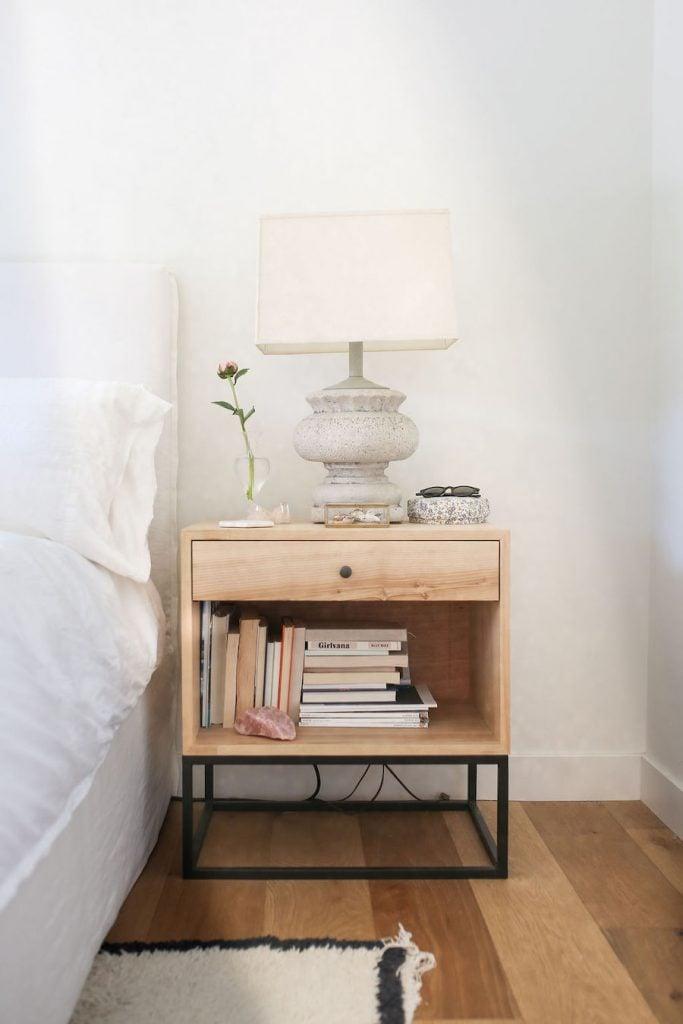
- Limit blue light exposure in the evening. Many articles discuss the adverse effects of blue light, and while there’s still debate, minimizing artificial light at night is beneficial. Dim your home lights as the sun sets and reduce screen time.
Zeitgeber 2: Temperature
Research indicates that cooler temperatures aid sleep. Our bodies naturally cool down at night, aligning with melatonin release. Adjust your thermostat to support this cycle. Maintaining a constant temperature could hinder restful sleep. The ideal sleeping temperature is around 65°F.
How to Use Temperature to Your Advantage
You can promote a nighttime temperature drop in several ways:
- Lower the thermostat at night, especially in winter.
- Take a hot shower before bed. The cooling effect afterward can signal sleepiness.
- Wear socks to bed. Warm feet can help your body cool overall.
- Use a fan or opt for lighter bedding to stay cool during sleep.
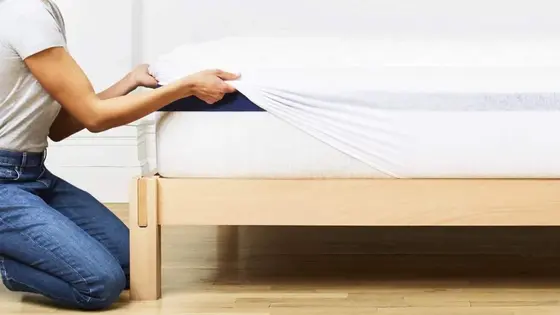
- If you tend to overheat, consider investing in a cooling mattress pad.

Zeitgebers 3: Meals
Our sleep is influenced not just by our minds but by our bodies as well. Our digestive organs need rest too. They start working when we eat our first meal of the day and continue until our last bite. If we eat late or over an extended period, our body struggles to rest, affecting our sleep quality.
Eating on a consistent schedule helps signal to your body when to expect energy, allowing it to maximize efficiency. Avoid eating late to give your body time to recuperate overnight.
How to Use Meals to Your Advantage
- Try to finish eating early enough in the evening to allow your digestive system time to rest. Aim to eat within a 12-hour window from your first meal.
- Eating in a consistent timeframe helps your body know when to expect nourishment, optimizing digestion.
- This approach can lead to weight loss without changing your diet, aligning with principles of intermittent fasting.
Key Takeaways for Better Sleep:
Remember, when struggling to sleep, you have more control over your internal clock than you might think. Implement these changes consistently and assess your sleep quality. Do you feel more rested? Tuning into your body and applying these evidence-based strategies can lead to significant improvements. Look to nature for guidance, slow down, and incorporate mindfulness into your routine. You won’t regret it!
30 Simple Delights to Add to Your June Calendar