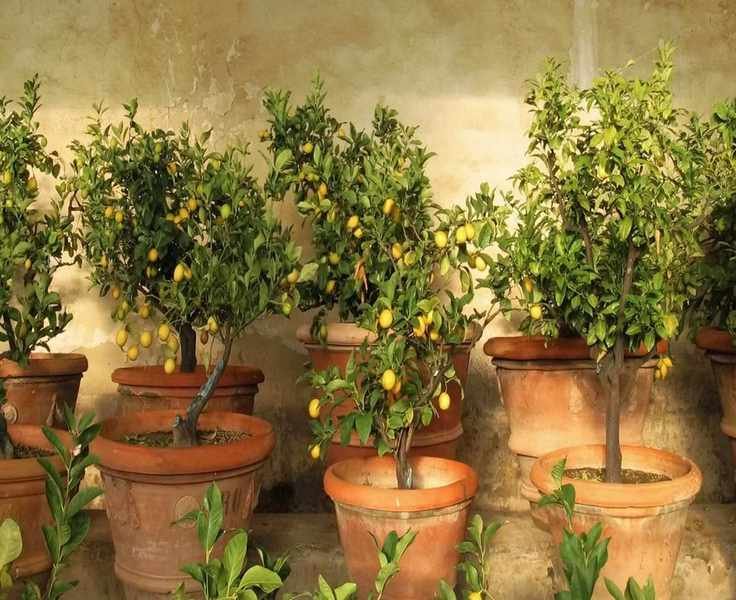
Creating a self-sufficient orchard may seem like a dream reserved for vast lands, but it's possible even in a small yard. With the right practices, you can transform a compact space into a fruitful garden that nurtures wildlife and requires minimal upkeep.
The focus should be on strategy rather than size. By selecting appropriate trees, planning your layout wisely, and working with nature, you can develop a system that becomes easier to manage over time.
If you're exploring ways to grow food at home, this complements small vegetable gardens, where maximizing productivity and minimizing space is key.
Understanding Self-Sufficiency in Orchards
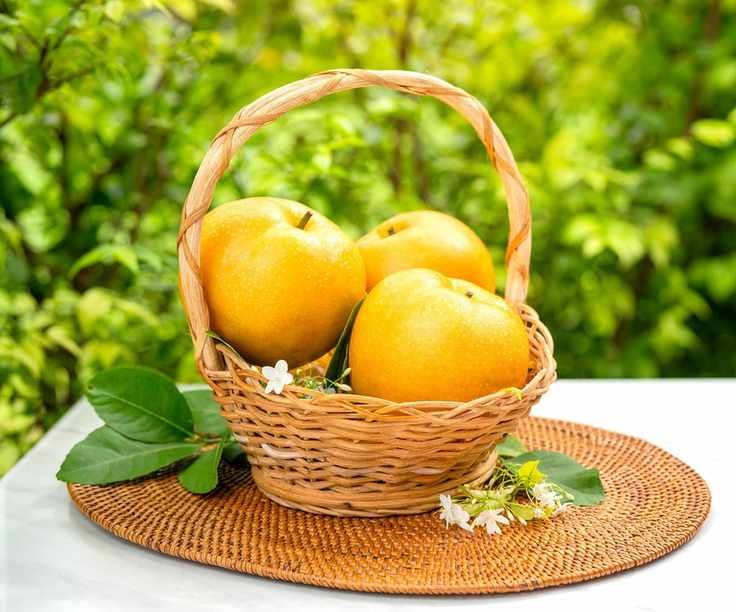
A self-sufficient orchard isn't one you completely neglect, but rather a space that gradually lessens its demands on you.
This translates to fewer resources needed: less watering, minimal feeding, and less overall intervention. Instead, the ecosystem starts to sustain itself with healthy soil, natural pollinators, and beneficial insects.
From my experience, the shift happens when you stop viewing trees as isolated plants and start seeing them as part of a larger ecosystem. Trees, soil, insects, and understory plants create a harmonious network.
This method aligns perfectly with principles of permaculture, emphasizing sustainable gardening through observation and resilience.
Selecting the Right Trees for Small Spaces
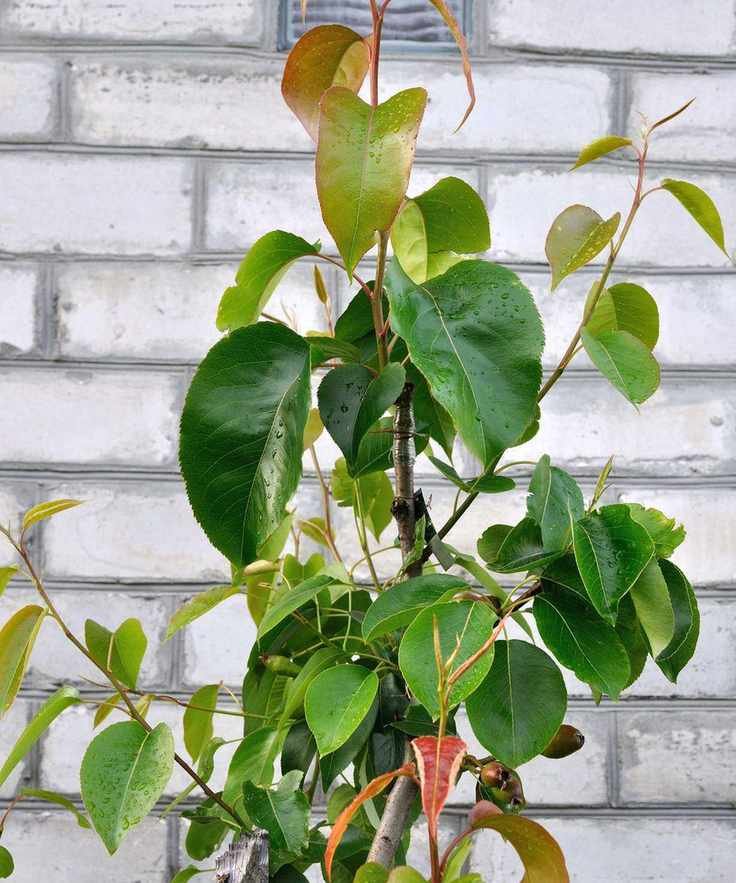
A common pitfall is choosing trees that will eventually become too large for your yard. I've made that mistake too, leading to much regret over excessive pruning.
For compact yards, opt for dwarf or semi-dwarf varieties. These trees remain manageable, are easier to harvest, and establish quickly.
Dwarf apples (Malus domestica), like Northpole Columnar, pears (Pyrus communis) like Bartlett Pear, and dwarf plums are ideal for smaller gardens, especially when they cater to your local climate.
It's wise to plant multiple varieties where cross-pollination is necessary. While it may seem like a big step, the benefits are substantial.
Layer Your Planting for Maximum Efficiency

Rather than planting in straight rows, consider a layered approach for your orchard. This method uses the vertical space more efficiently.
Your fruit trees will form the upper layer, while beneath them, you can add shrubs, herbs, ground cover plants, and even bulbs. This design mimics nature and benefits the ecosystem by reducing weeds, retaining moisture, and enhancing soil health.
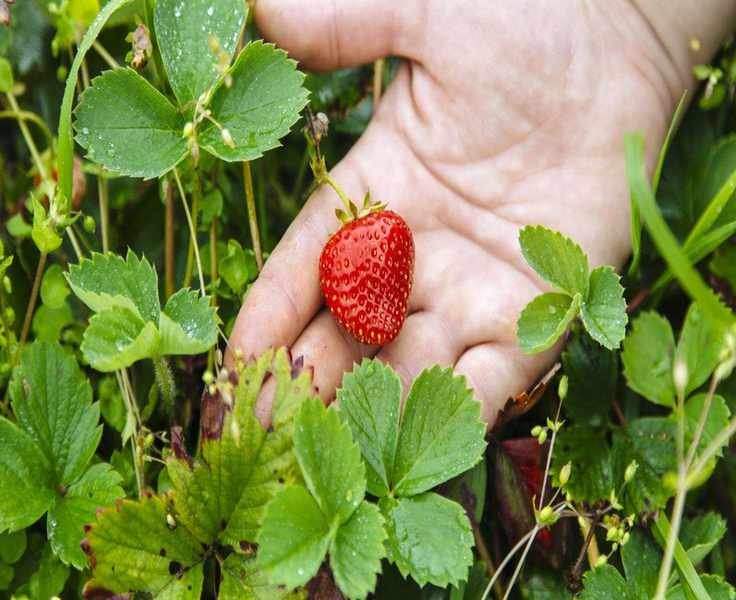
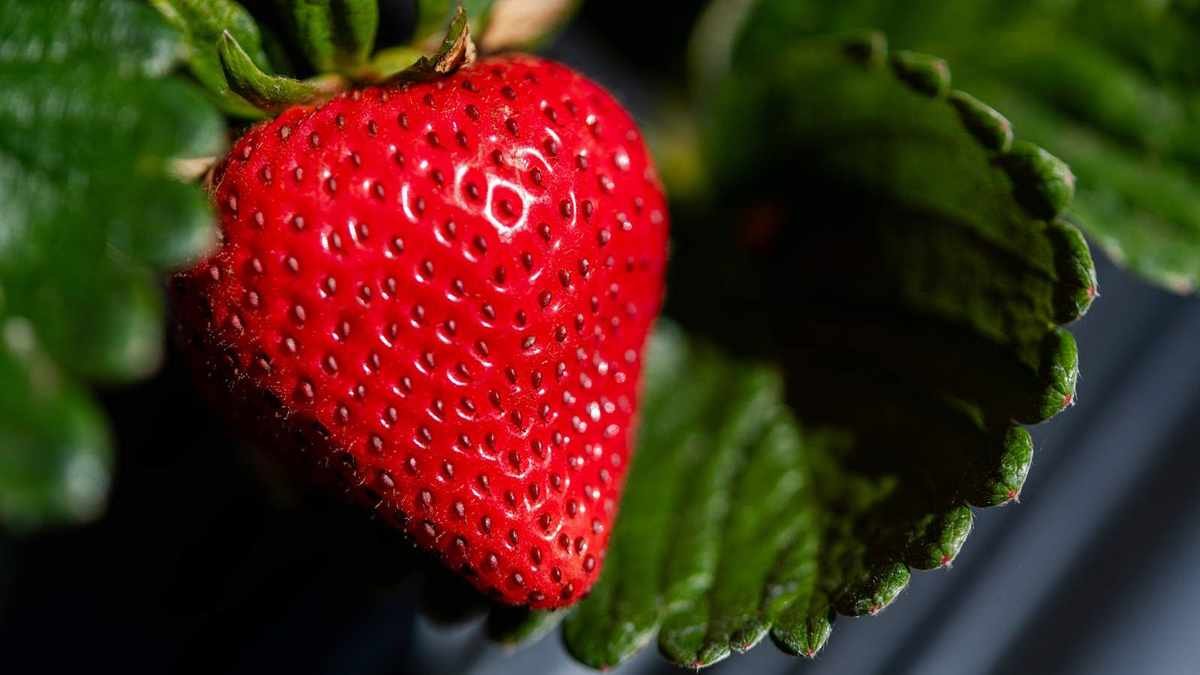
In my garden, I've underplanted trees with herbs like thyme and chives, and even strawberries to create a living mulch that's both productive and aesthetically pleasing.
Select Multifunctional Plants
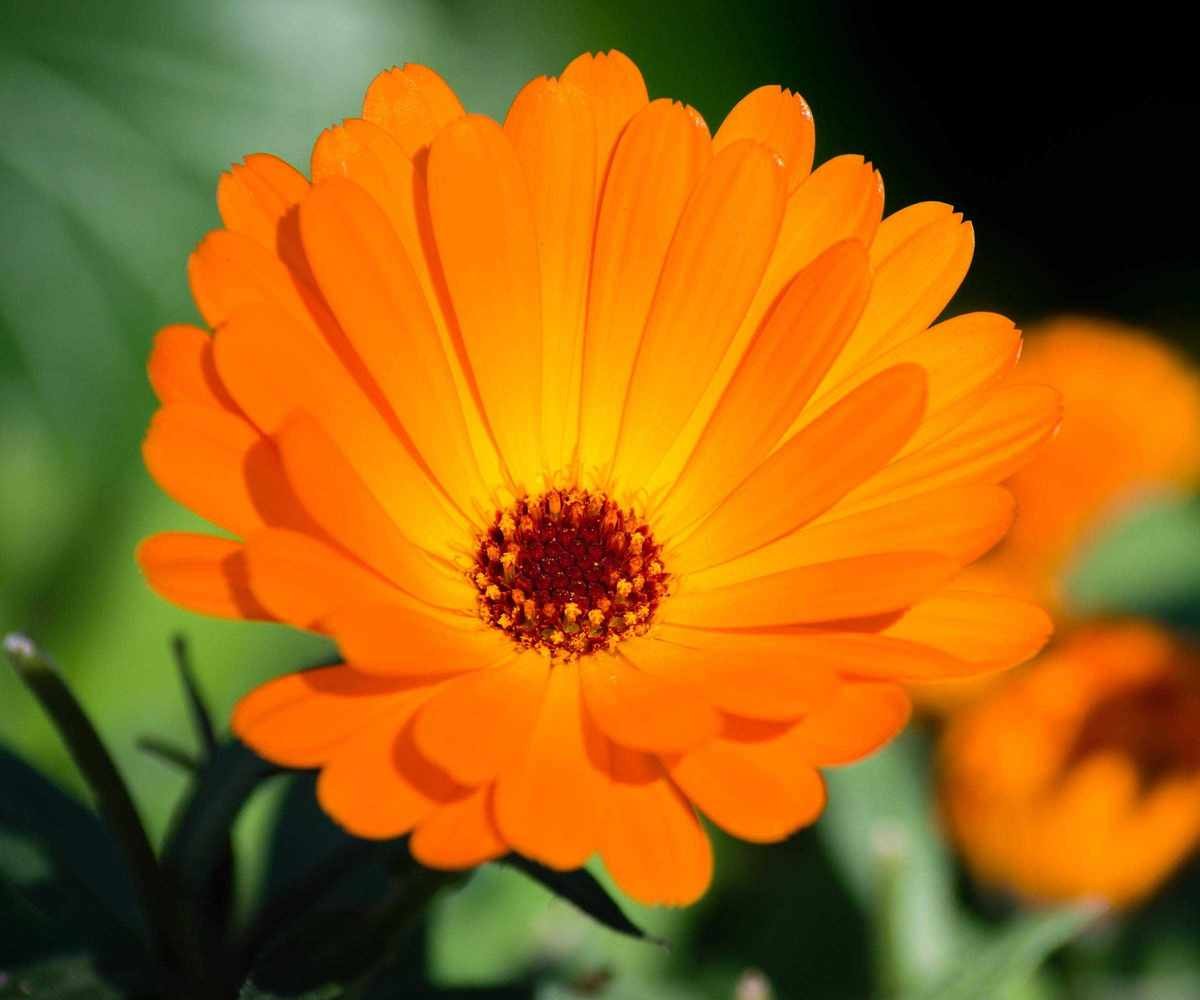
A thriving orchard is one where plants contribute significantly to the ecosystem.
Nitrogen-fixing plants like clover enhance soil quality. Dynamic accumulators such as comfrey (Symphytum officinale) access nutrients from deeper soil layers and make them available to surrounding plants.
Additionally, pollinator-friendly plants boost fruit production and biodiversity. Varieties like lavender, calendula, and borage are fantastic additions.
Once these supportive plants are in place, the orchard evolves into a cohesive living system.
Reduce Watering with Smart Design
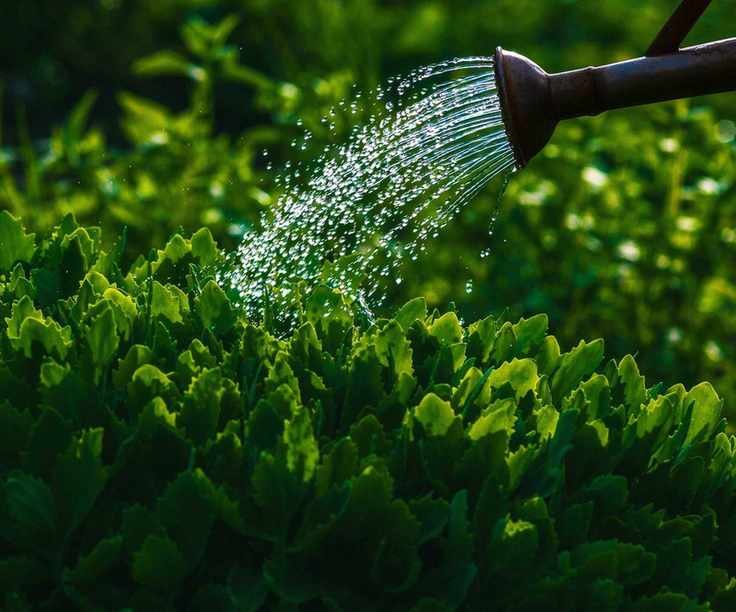
Many believe that maintaining a productive garden requires constant watering, but good design minimizes this need.
Mulching is one of the easiest and most effective methods. A thick layer of organic mulch retains moisture, stabilizes soil temperature, and enhances soil structure over time.
Swales, or shallow channels, can be utilized to capture rainwater effectively, something I've tested on a small scale with notable success.
As soil health improves, its ability to retain water increases, reducing the need for extra watering.
This principle is similar to designing drought-resistant gardens, where resilience is built from the foundation up.
Embrace Nature's Process

In the beginning, there's often a strong urge to constantly intervene—pruning, tidying, and correcting. Yet, a regenerative orchard flourishes with a gentle hand.
Allowing leaves to decompose, permitting certain plants to self-seed, and accepting some imperfections all foster a healthier environment.
That said, some care is still crucial. Pruning is vital for the health and yield of trees. I prefer a balanced approach, removing only what's necessary and resisting over-shaping. For this, I use Okatsune 103 Pruners, which make the task more enjoyable.
If you're refining your techniques, consider revisiting pruning practices for fruit trees, where timing and methods greatly impact results.
Utilize Vertical Space for Growth
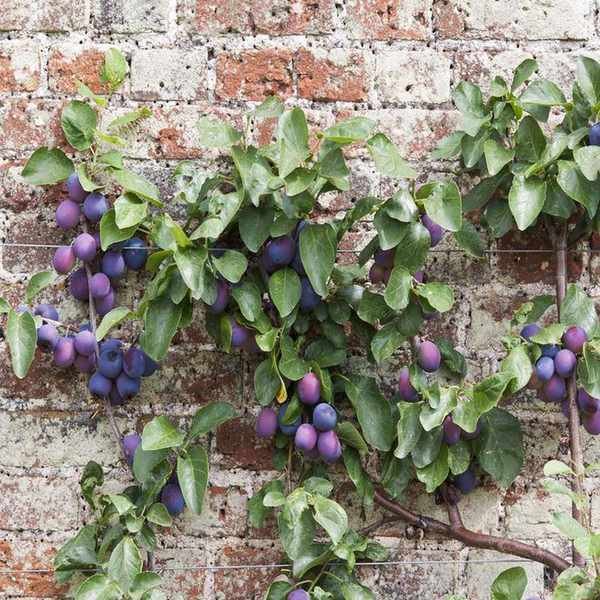
In limited spaces, every square foot matters. A straightforward way to boost productivity is by growing vertically.
Espaliered trees, trained flat against walls or fences, are both functional and visually appealing. Apples and pears work exceptionally well with this technique.
Espalier not only conserves space but also enhances air circulation and light exposure, which can lead to better fruit quality.
There's something fulfilling about a well-trained espalier—a disciplined practice that rewards patience. If you lack a wired wall, consider this stainless steel espalier system to simplify the process.
Patience is Key to Enjoying the Fruits
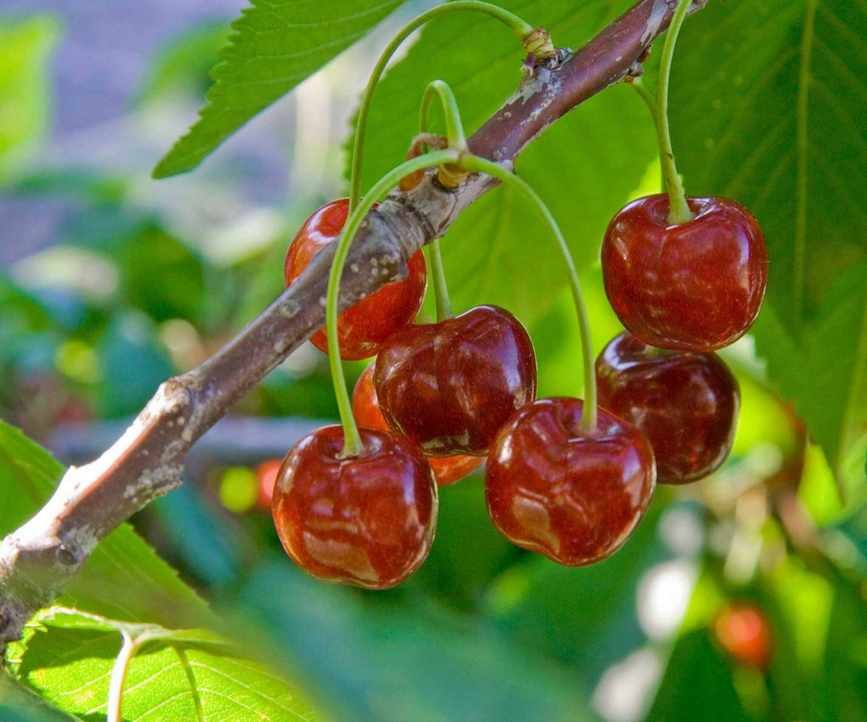
Building a self-sufficient orchard isn't an overnight task. It's a long-term journey.
The first year focuses on establishing roots. The second year is about growth. By the third or fourth year, you'll notice the system settling into a routine.
Then comes the rewarding part: the workload starts to decrease. Soil health improves, pest populations stabilize, and the need for intervention diminishes.
In my experience, this is when gardening shifts from being labor-intensive to a more observational practice, which is a significant change.
Creating a self-sufficient, sustainable orchard is less about achieving perfection and more about having intention.
Even in small yards, it's feasible to cultivate fruit, foster wildlife, and establish a resilient system that grows stronger with time.
Start with small steps. Plant with care. And give nature the time it needs to flourish. Ultimately, the best orchards are those that are nurtured, not controlled.