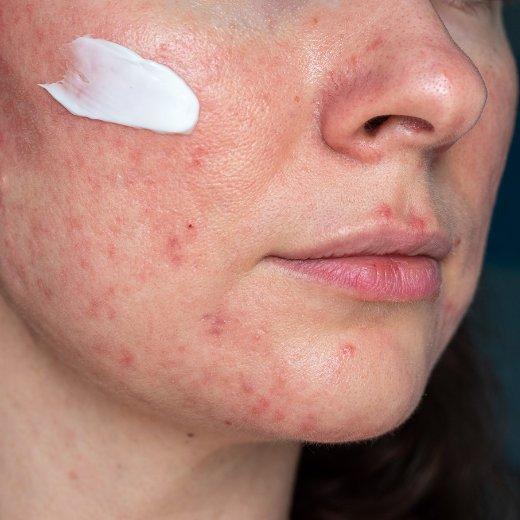
Rosacea is a skin condition that leads to frequent redness and flushing. Some flare-ups can be brief, while others persist for days, making this condition challenging to handle. Many people in the rosy cheeks community have experienced moments when they felt confident, only to later see a photo and realize they looked flushed, almost like Santa Claus.
Managing rosacea effectively involves understanding triggers. Each person with rosacea experiences different factors that can provoke flare-ups. Identifying these triggers and finding ways to minimize them can significantly improve your skin's appearance and boost your confidence.
Identifying Common Triggers for Rosacea
Recognizing your rosacea triggers requires careful observation of your symptoms and identifying patterns related to flare-ups. Here are some common triggers along with tips to help reduce them.
Sun Exposure
That flush you notice after a day outdoors may be a rosacea flare-up rather than a sunburn. You don't need to avoid the sun entirely; just plan your outdoor activities during cooler hours (typically before 10:00 am or after 2:00 pm). Daily facial sunscreen is essential, and consider wearing a wide-brimmed hat or cap to shield your face when spending extended time outside.
Stress
While we can't eliminate stress completely, there are ways to manage it. Using an app to organize tasks or finding budgeting tools can help reduce anxiety. For unavoidable stressors, techniques like meditation or engaging in relaxing activities can be beneficial.
Alcohol
If alcohol triggers your rosacea, reducing your intake is a straightforward solution. If quitting isn't an option, try sipping water between drinks to lower your overall consumption. When ordering cocktails, ask for a larger glass filled with more mixer and less alcohol. This allows you to enjoy a drink longer while limiting alcohol intake.
Be aware that certain types of alcohol can provoke rosacea more than others. For example, red wine is known to cause more flare-ups compared to white wine. You might also find some beers or liquors trigger symptoms more than others. Keep track of which drinks affect you.
Temperature
Both extreme heat and cold can escalate rosacea symptoms. To minimize flare-ups, limit your time outdoors in extreme weather. When you must go out, carry a handheld fan in the heat or bundle up in cold conditions. A face mask can also help keep your cheeks warm during chilly outings.
Hot Drinks
While hot beverages like coffee and tea are favorites for many, they can trigger rosacea symptoms. Consider switching to iced versions, or allow hot drinks to cool a bit before enjoying them. Warm drinks are more soothing than piping hot.
Spicy Foods
Spicy cuisine often exacerbates rosacea symptoms. The best strategy is to limit such foods. If you have favorite spicy dishes, look for milder ingredient alternatives or ask restaurants to prepare them less spicy.
Intense Exercise
While exercise is great for health, intense workouts can trigger rosacea. You might want to moderate your workout intensity or limit strenuous sessions to a few days a week. Additionally, exercise in a cooler environment, like an air-conditioned gym, and opt for cooler showers afterward. Timing your workouts before events can also help manage flare-ups, allowing you time to recover.
Effective Management of Rosacea
Rosacea is a chronic condition that can persist over time, but it doesn't have to dominate your life. By combining trigger awareness with professional dermatological care, you can minimize flare-ups and maintain a clear complexion on most days.