Curious about a butler's pantry? Once a staple in historic homes, this space is regaining popularity, blending seamlessly with contemporary kitchens. So, how does it differ from a regular pantry?
Today's pantries have transformed into multifunctional areas for food storage and meal prep, yet historically, the pantry and butler's pantry served distinct roles. Understanding these differences can guide you in determining how to best utilize your pantry space.
We'll clarify these distinctions, address common questions about butler's pantries, and share tips on setting one up to enhance your kitchen design.
What Defines a Butler's Pantry?
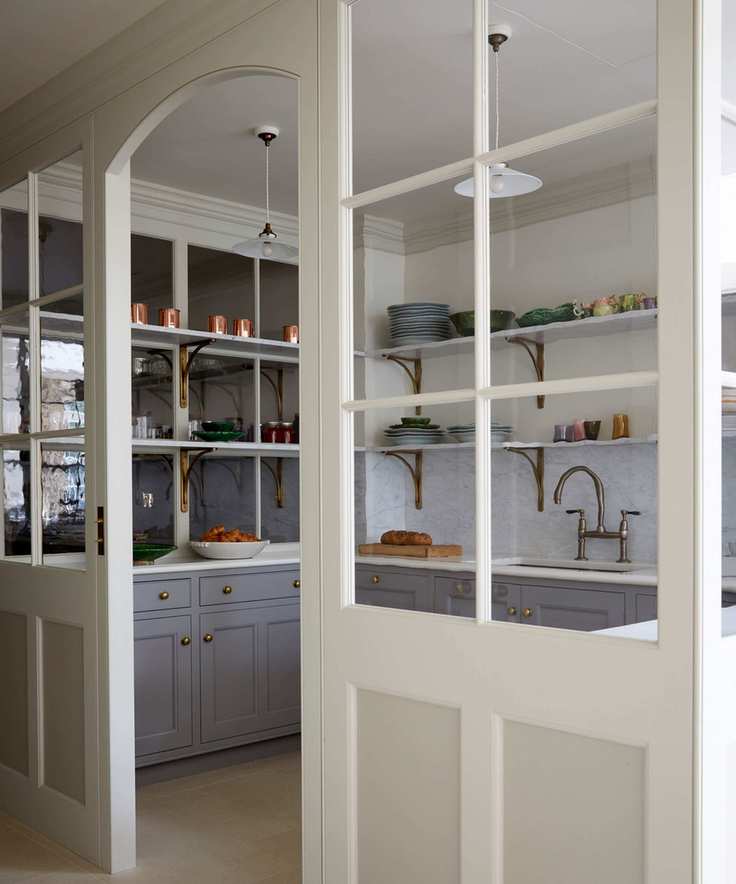
Once prevalent until the 1920s, the traditional butler's pantry was an auxiliary service area adjacent to kitchens in Victorian homes. As the term implies, this pantry was primarily a workspace for the butler, equipped with the tools necessary for his tasks, as noted by a property curator.
In addition to storing fine china and linens, it facilitated meal preparations and drink mixing. Positioned between the kitchen and dining area, it served as a transition zone between formal dining and service.
Although our living spaces have evolved, the resurgence of both pantries and butler's pantries is evident, according to a design expert. These areas are ideal for storing dinnerware, kitchen gadgets, and other essentials, making entertaining simpler and more organized.
Butler's Pantry vs. Regular Pantry: What's the Difference?
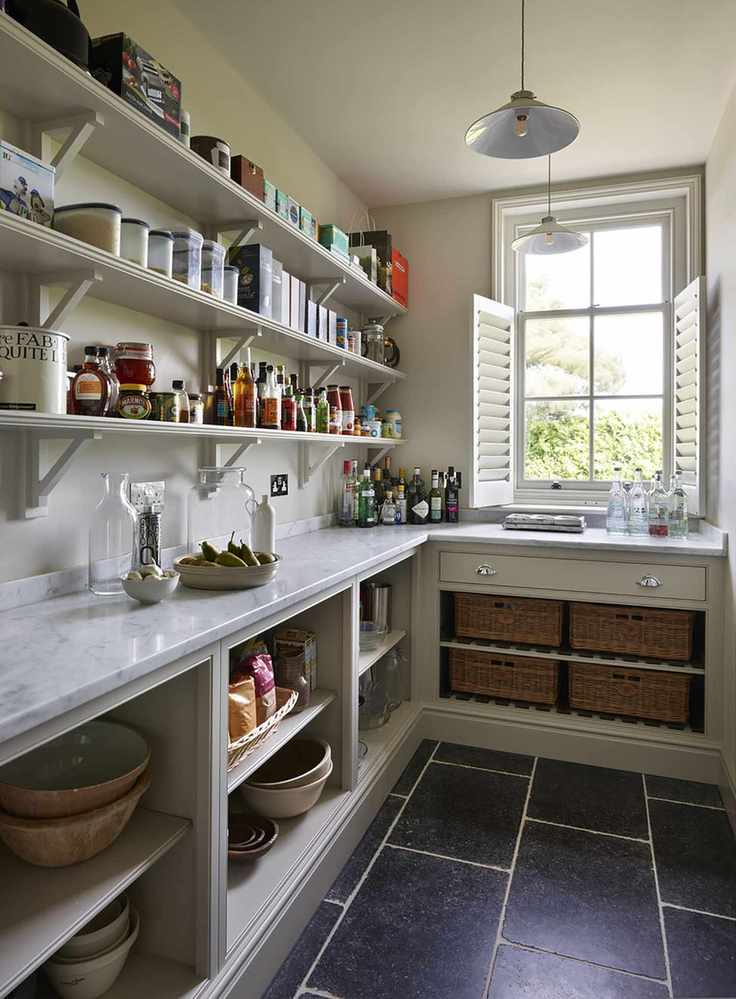
While modern designs often combine the pantry and butler's pantry into one versatile area, they historically had different purposes. The pantry, derived from the Latin word for bread, was primarily for storing bread and other food items. Today, it's more of a general storage space for various food types.
Conversely, a butler's pantry focuses more on food preparation, typically featuring closed cabinetry and amenities like a prep sink and dishwasher, making it ideal for final meal touches and drink preparations.
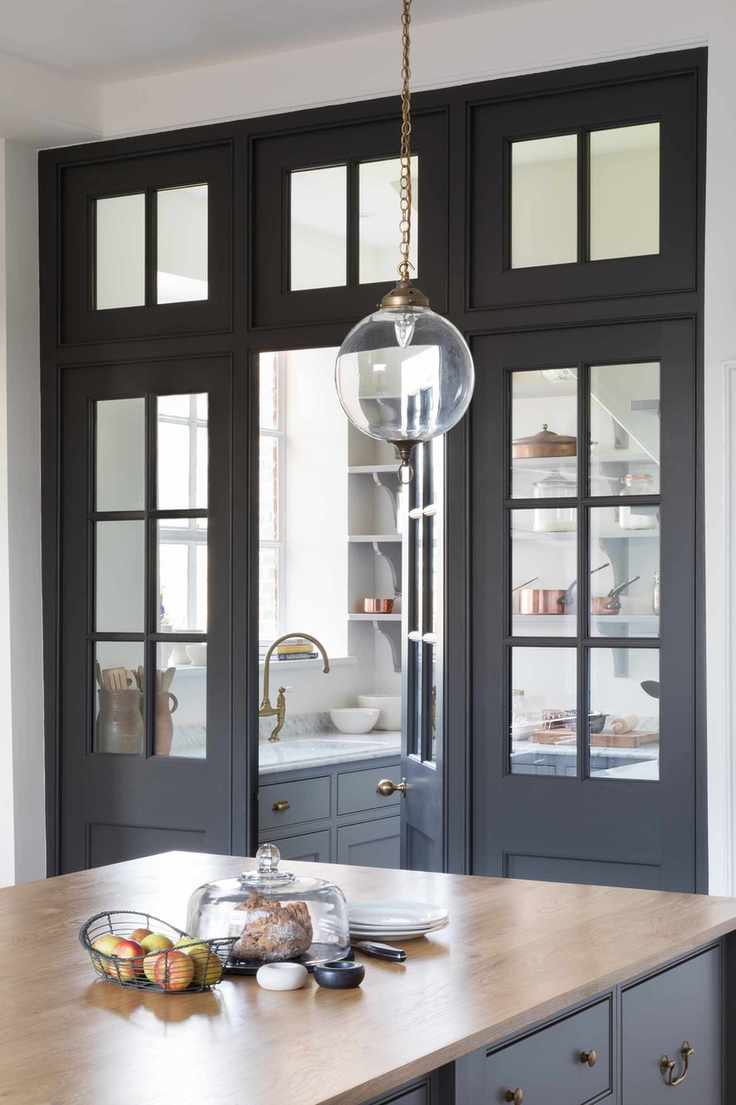
What Goes in a Butler's Pantry?
Historically, the butler's pantry stored items under the butler's supervision, including silverware and fine glassware. In contrast, the pantry was meant for food storage. Nowadays, pantries serve a multitude of functions, from cooling wine to storing kitchen gadgets, making them invaluable in modern kitchens.
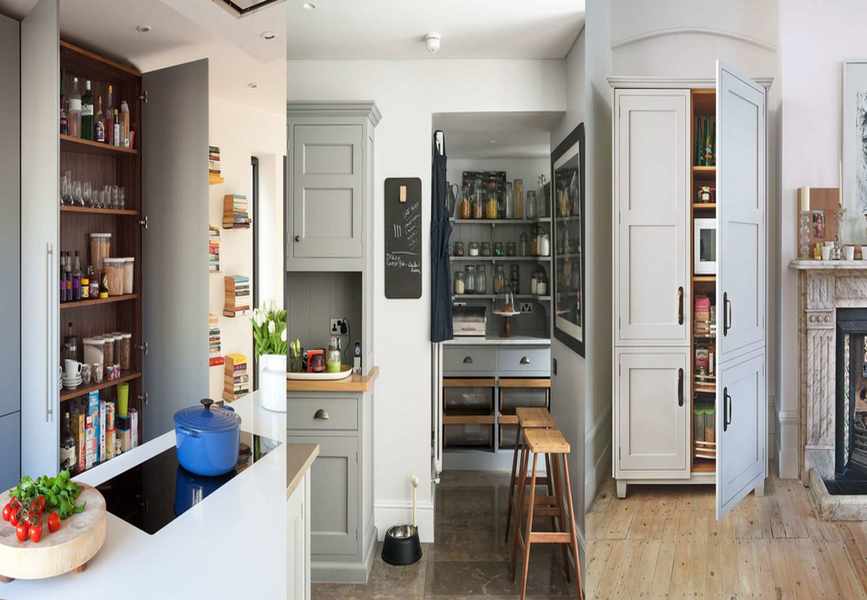
In fact, the pantry's adaptability allows it to fit various spaces—from built-in cupboards to freestanding cabinets or expansive walk-in areas. With a growing trend of cooking and entertaining at home, a well-designed pantry can help manage ingredients and kitchenware effectively.
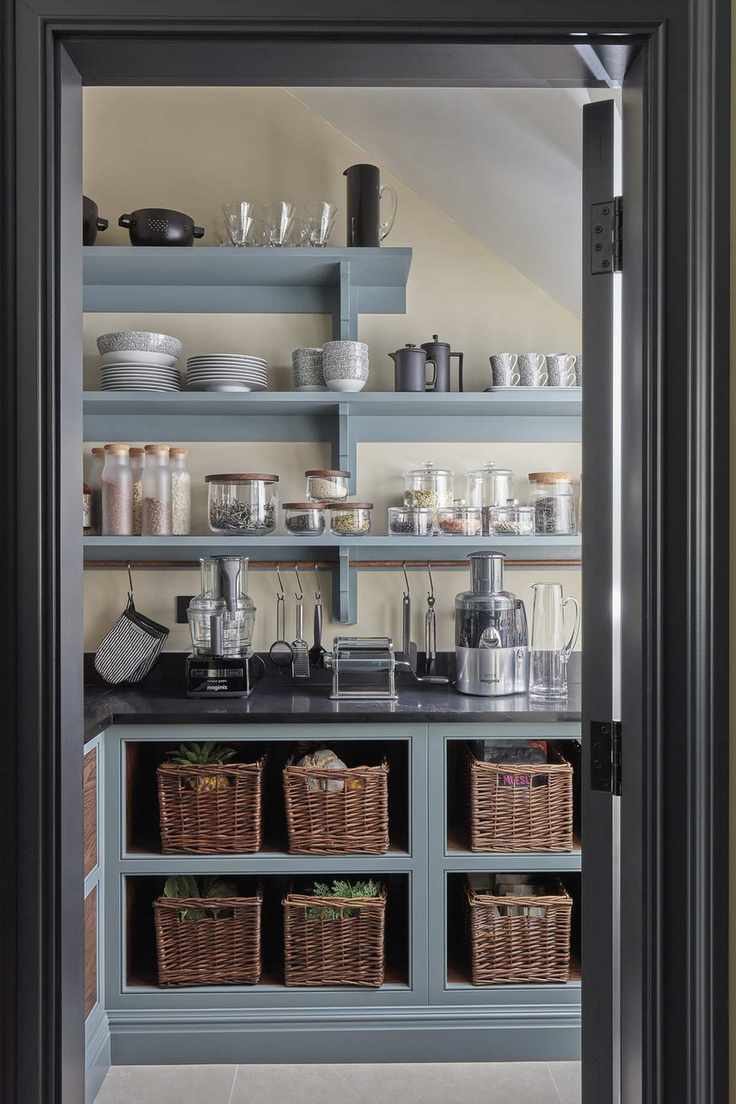
Designers are frequently tasked with creating dedicated larders alongside the main kitchen, providing spaces for food and serving ware storage while ensuring a streamlined look.
Contemporary pantry designs often include storage for larger appliances that aren't used daily, allowing for clearer counter space. These setups might even accommodate a second refrigerator or wine cooler.
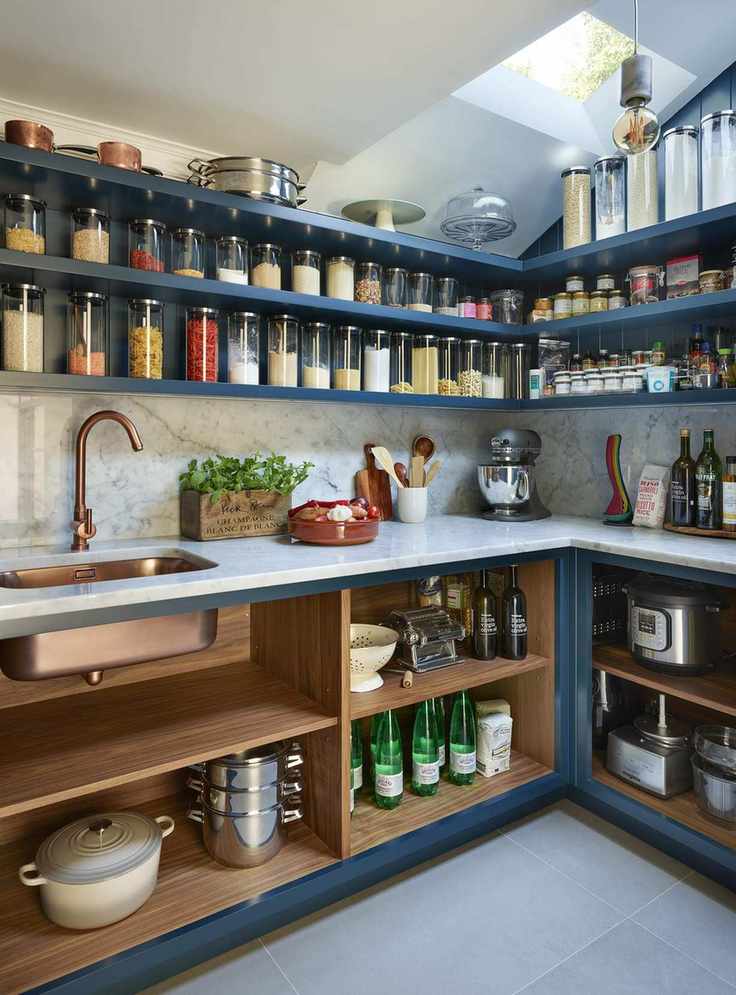
Why Is It Called a Butler's Pantry?
The butler's pantry historically functioned as a service area, managing items like fine china and silverware. Duties included maintaining and storing glassware and cutlery, as well as overseeing alcohol supplies.
Typically, these pantries featured lead-lined sinks to protect delicate glassware during cleaning and often had easy access to a safe or nearby cellar for alcohol storage. Located between the kitchen and dining room, it provided a barrier against kitchen noise and odors.
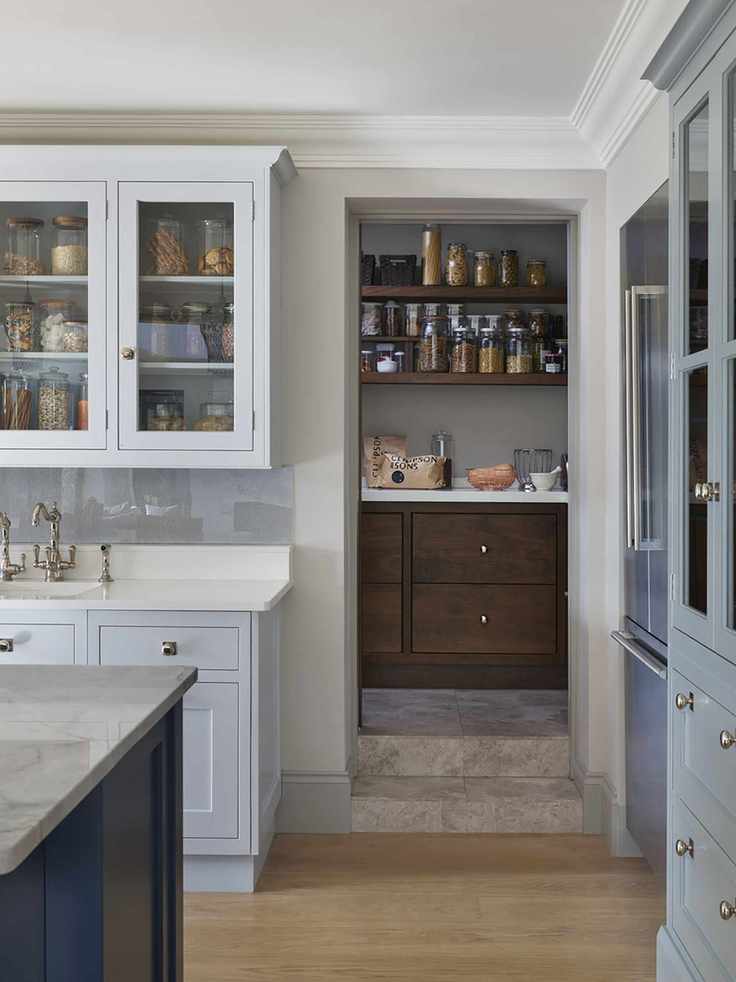
Setting Up a Butler's Pantry
Considering a modern walk-in butler's pantry? There are several design aspects to evaluate, from layout to storage solutions and lighting. Collaborating with a kitchen designer can help maximize your space with custom shelves and cabinetry.
When planning, assess the available space to determine the layout—whether it's linear, L-shaped, or U-shaped. If space is limited, sliding doors can enhance accessibility. Ensuring ample clearance for movement is crucial.
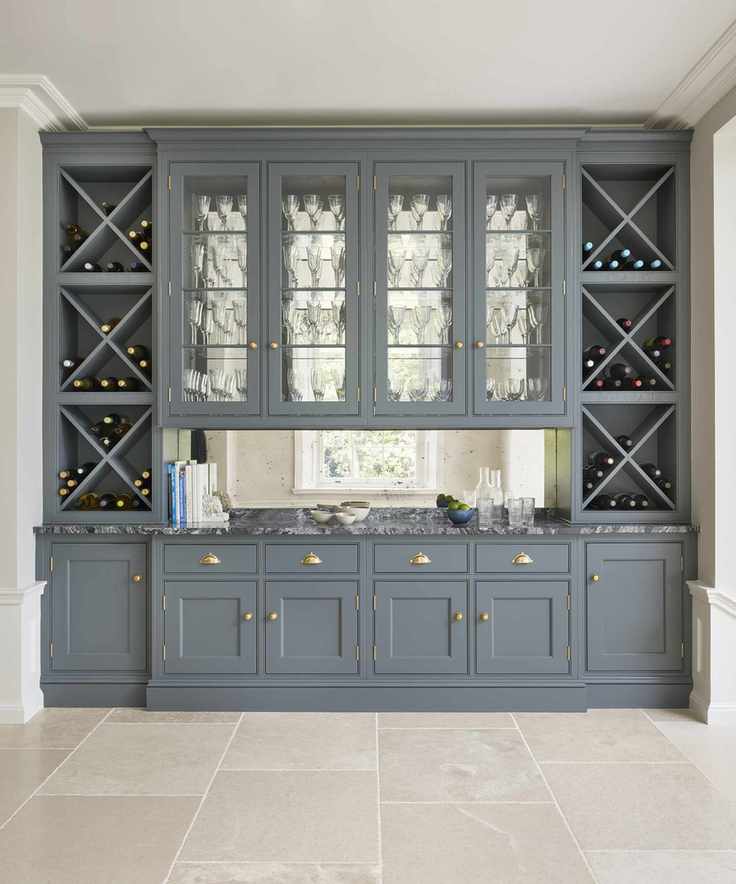
To ensure your pantry meets your needs, compile a list of items for storage and evaluate your kitchen habits. If baking is your passion, design your butler's pantry to accommodate baking supplies and equipment. For entertaining, include features like a wine rack and mini bar.
When storing food, consider proximity to the kitchen for efficient ingredient access. Ideally, the pantry should be located near the fridge, streamlining your cooking process.
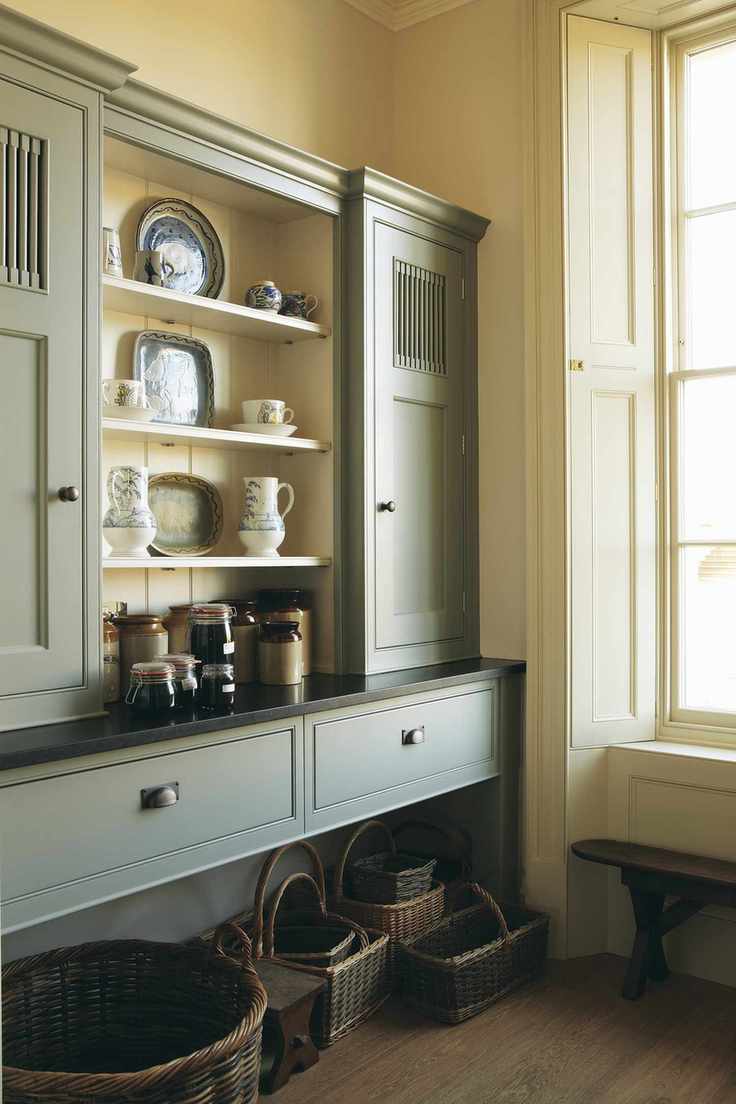
Large walk-in pantries benefit from open shelving for easy access and organization, while cool surfaces help keep perishables fresh.
Is a Butler's Pantry Worth the Investment?
A well-planned walk-in butler's pantry tailored to your preferences can be a worthwhile investment, enhancing your lifestyle significantly. Just as with your main kitchen, consider practical uses and future needs when designing your pantry.
Flexibility is essential for a successful pantry. Ensure easy access and consider shallow shelves to prevent items from getting lost. Having a designated workspace for appliances can also simplify kitchen tasks.