Sunscreen is essential throughout the year. Be it a sunny beach day or a grey winter afternoon, harmful UV rays are always a concern.
Choosing the right sunscreen can be overwhelming, given the variety available. Let's focus on the two main types: physical and chemical sunscreens. Chemical sunscreens absorb and scatter UV rays, while physical sunscreens create a barrier that reflects these rays away from your skin.
Before we examine their differences, let's clarify what each type entails.
What Are Physical Sunscreens?
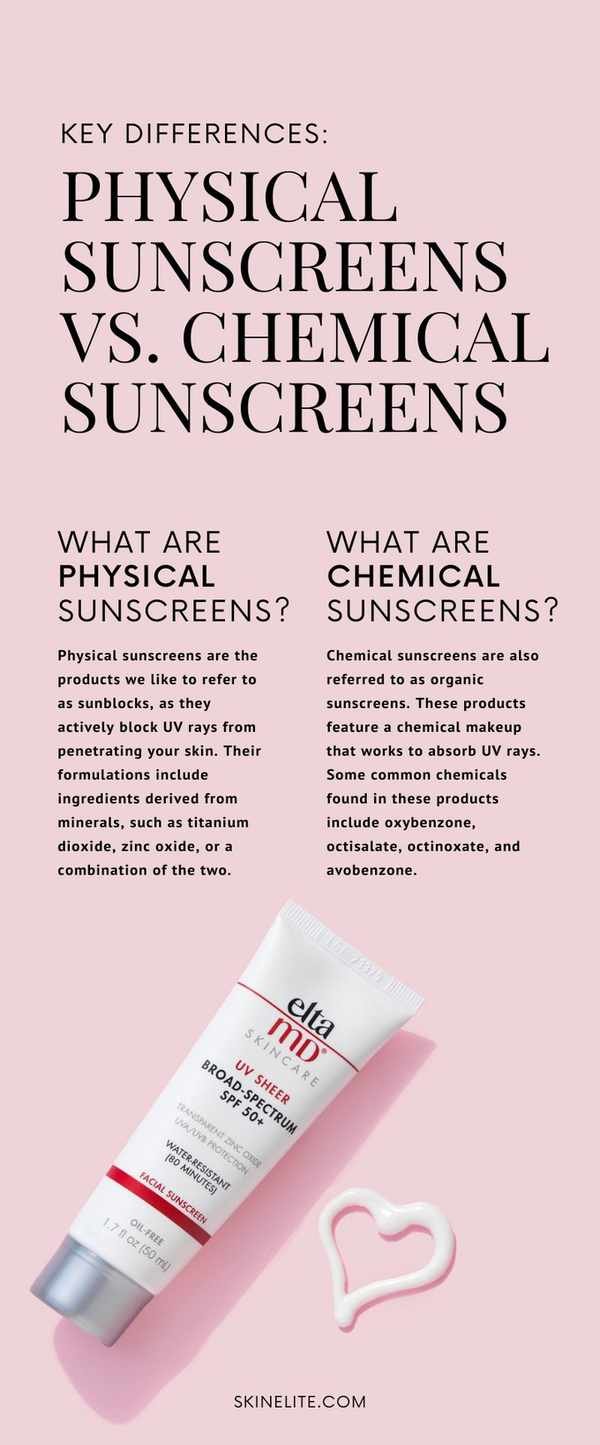
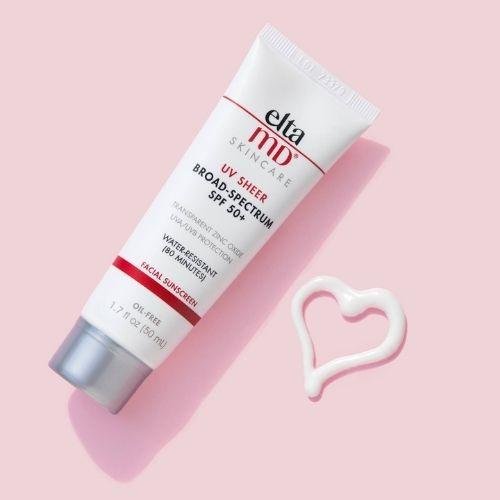
Physical sunscreens, often called sunblocks, work by blocking UV rays from penetrating the skin. They typically contain mineral ingredients like titanium dioxide or zinc oxide. A great option in this category is a well-known physical sunscreen.
Benefits
Physical sunblocks provide several advantages, such as:
- Effective protection against both UVA and UVB rays
- Safe for pregnant women
- Suitable for babies and young children
- Immediate protection upon application
- Gentle on sensitive skin
- Photostable, maintaining effectiveness in sunlight
- Less likely to clog pores
Drawbacks
Despite their benefits, physical sunscreens have some drawbacks:
- Require generous and frequent application
- Can leave a white cast on the skin
- Feel heavier, which may increase sweating
- May leave a noticeable residue
What Are Chemical Sunscreens?
Chemical sunscreens, sometimes labeled as organic, absorb UV rays through their chemical formulation. Ingredients like oxybenzone, octisalate, octinoxate, and avobenzone are commonly used. They convert UV rays into heat, which the skin then releases.
Benefits
Chemical sunscreens also offer many advantages, including:
- Lightweight and easily absorbed formulas
- Require smaller amounts for effective UV protection
- Simple application makes them ideal for daily use
Drawbacks
However, chemical sunscreens come with their own set of disadvantages:
- Can irritate sensitive skin, causing stinging
- Need about 20 minutes to take effect after application
- Can exacerbate flushing in individuals with rosacea
- May clog pores and lead to breakouts
- Oxybenzone has been associated with allergic reactions
Comparing Physical and Chemical Sunscreens
Now that we know what each type entails, let's compare their similarities and differences. Both types offer protection from harmful UV rays.
However, their methods and characteristics differ significantly.
Means of Protection
- Chemical sunscreens absorb into the skin, converting UV rays into heat.
- Physical sunscreens form a barrier on the skin's surface to reflect UV rays.
Ingredient Potency
- Chemical sunscreens may cause irritation due to their complex formulations.
- Physical sunscreens generally use gentler ingredients, making them suitable for sensitive skin.
Application Frequency
- Chemical sunscreens are often water-resistant, making them ideal for active days or water sports.
- Physical sunscreens can wash off easily, necessitating more frequent reapplication.
Choosing the Right Sunscreen
With varying pros and cons, selecting the right sunscreen can be tricky. Consider these factors:
- Your skin type: Sensitive or acne-prone skin may benefit from physical sunscreens.
- Your activities: For daily wear or during heavy sweating, a chemical sunscreen may be preferable.
- Expiration date: Always check to ensure your product is within its effective period.
- Skin tone: Darker skin tones might find physical sunscreens leave a white cast, making a tinted option or chemical sunscreen more appealing.
Regardless of your choice, protecting your skin from UV rays is paramount. Exposure can lead to sunburn, premature aging, skin damage, and even skin cancer.
It's crucial to remember that UV rays are present all year, regardless of the weather. They can be intensified by surfaces like concrete, snow, or water.