
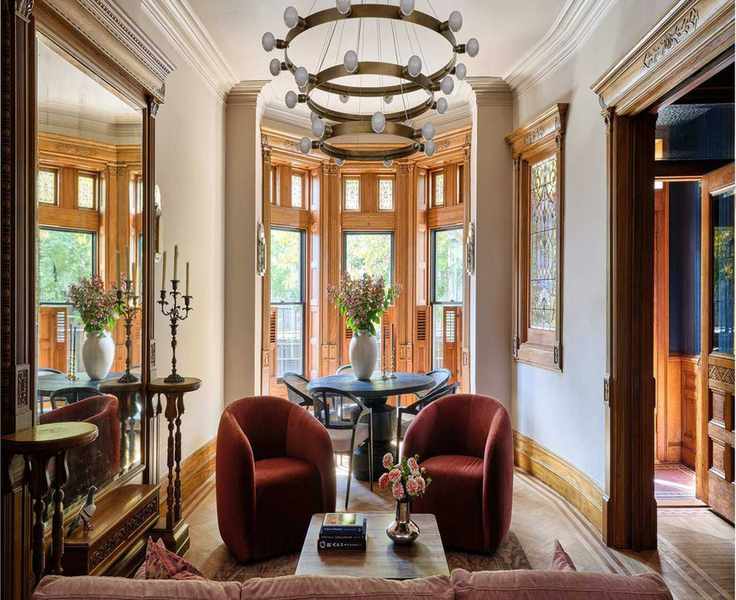
‘It feels balanced.’ ‘That living room is so well-balanced.’ ‘Do you see the balance?’
Balance is the cornerstone of interior design, a term often used but rarely dissected. Despite its frequent use, the concept remains vital. Unlike transient terms such as ‘chic’ or fleeting trends, balance retains its significance.
This principle centers on alignment—something we instinctively feel. If your chair is slightly off, it affects everything around you. There’s an innate drive in us to find harmony, making balance the silent anchor of a space. Without achieving this, no amount of decor adjustments will resonate.
Here, we explore why designers deem balance the most essential aspect of decor, with relatable examples and practical strategies to enhance balance in your home.
The Necessity of Balance in Every Room
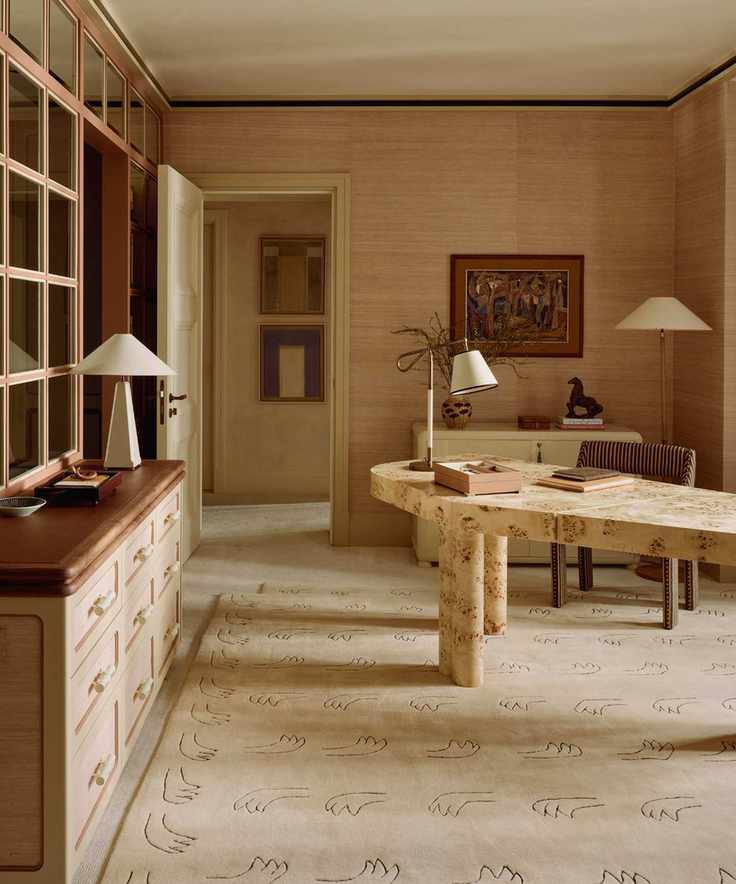
While principles like negative space, layering, and texture can be visualized as a pyramid, balance sits at the apex. The success of all design elements hinges on achieving balance.
According to Erica Yaw, lead designer, balance in interior design represents harmony among scale, visual weight, color, texture, and negative space. She emphasizes that balance is not just a visual element; it’s an emotional experience. A space should feel grounded and welcoming. Balance transcends style and trends; it’s about human perception, where our brains naturally seek proportion and tranquility, regardless of whether a space is traditional, modern, or eclectic.
Nicole Roe, founder and designer, suggests balance is a lived experience for her. ‘When things don’t align, I feel it deeply,’ she shares.
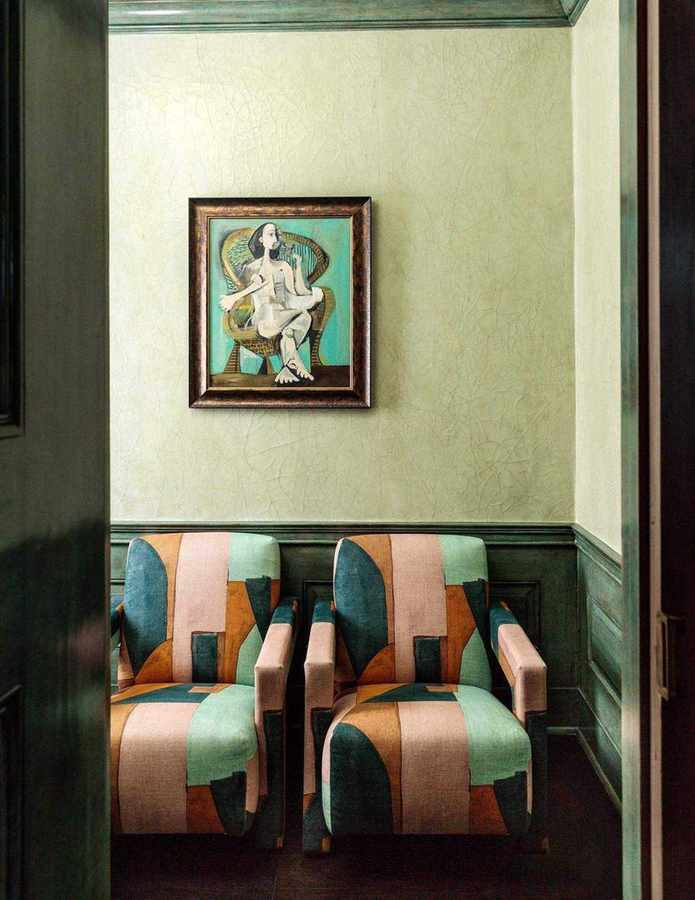
This intuitive aspect of balance can make it difficult to articulate, but examples often clarify its importance. Both Erica and Nicole highlight Kelly Wearstler’s Santa Monica Proper Hotel as an excellent illustration.
Erica notes, ‘Kelly Wearstler’s hotel embodies balance beautifully, with bold patterns and sculptural elements harmonized by neutral tones and ample natural light. While each component is expressive, a cohesive color scheme and consistent scale prevent chaos from taking over.’
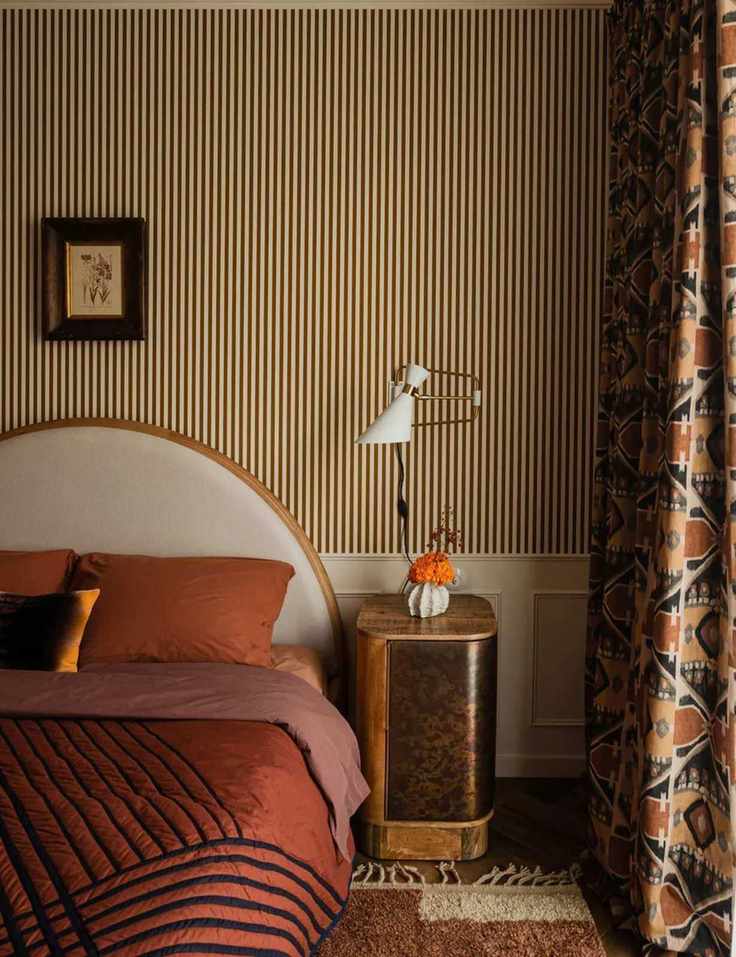
Nicole adds, ‘The hotel’s communal areas, pool decks, and guest rooms showcase practical storage, layered natural materials, and thoughtful ambiance, allowing for relaxation even in sophisticated settings. You feel inspired yet comfortable enough to unwind. That’s true balance.’
She describes balance as a ‘functional luxury,’ where beauty enhances daily life instead of hindering it. ‘A gorgeous space that lacks functionality becomes frustrating, while a purely practical space with no character loses its charm,’ she explains. ‘Finding the sweet spot between both leads to long-term contentment.’
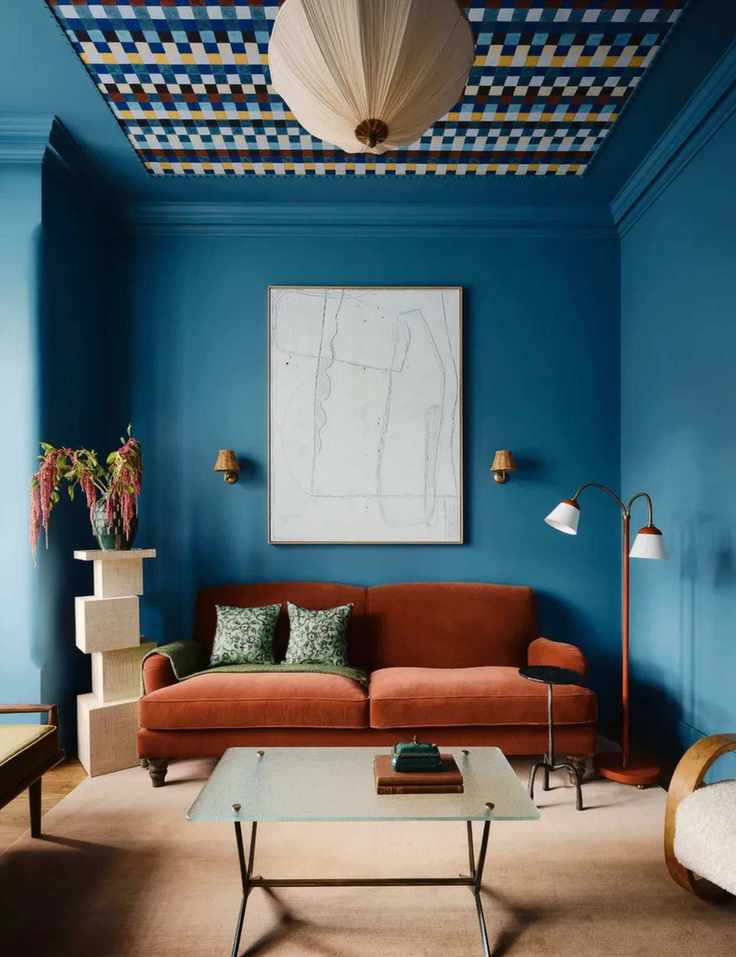
‘“Balance” has been a popular topic among our clients lately,’ remarks Claudia Roth, founder and principal designer. ‘A keen awareness of materials and scale are crucial for a harmonious space.’
She cites the central courtyard of the Frick Museum as a timeless example. ‘The ceiling heights, symmetry of the fountain, and contrast between the glass ceiling and lush greenery create perfect balance.’
Claudia continues, ‘A well-balanced environment fosters ease and comfort, and anyone can achieve this at home by mixing fabrics with diverse tones and textures on upholstered items.’
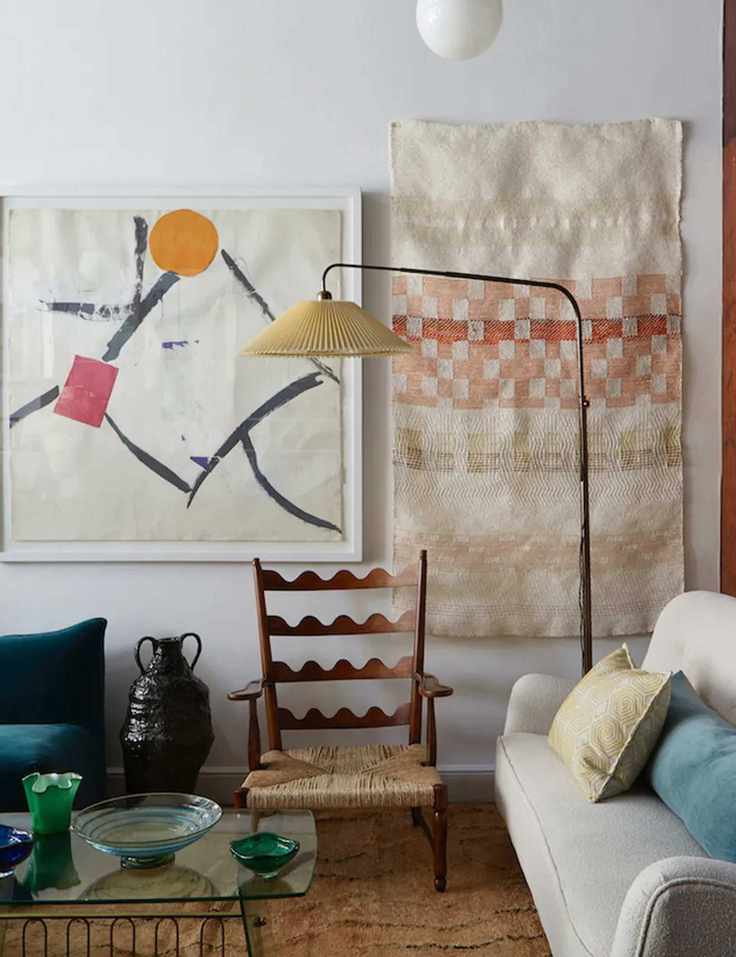
‘A balanced room instantly feels inviting,’ states Madelynn Hudson of M.H. Interiors. ‘You might not be able to pinpoint why, but you can sense it.’
Even if defining balance is challenging, its absence is unmistakable. ‘Imbalanced spaces can feel chaotic or incomplete, regardless of their beauty,’ Madelynn notes. That’s usually the signal to make adjustments.
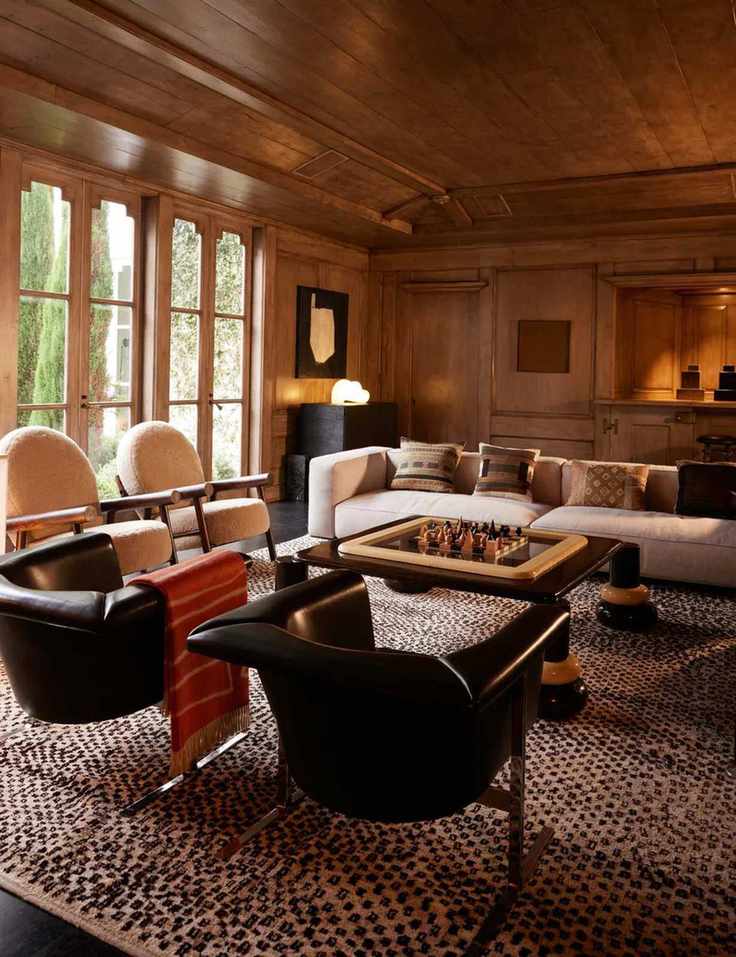
Experiment as you wish, but for quicker results, Madelynn advises focusing on scale. ‘Mix larger pieces with delicate ones to give the eye a resting place,’ she suggests. Height is also crucial—varying it provides relief. ‘Balance visual weight; if one side has a hefty sofa, counter it with significant art or a tall plant on the opposite side.’
And remember, some areas can remain empty: ‘Not every corner needs decor. Open space is a design asset that promotes tranquility,’ she states.
Balance blends art and science. You don’t have to articulate it perfectly; just recognize when something feels off. Adjust and refine until it looks right. Trusting your instincts often leads to the best outcome.
Balance evokes a sense of completeness: nothing's lacking. You might call it satisfaction—not too much, not too little, neither overly strict nor excessively elaborate. When a room achieves this equilibrium, everything else finds its place. Follow that intuition, and the rest will usually come together.