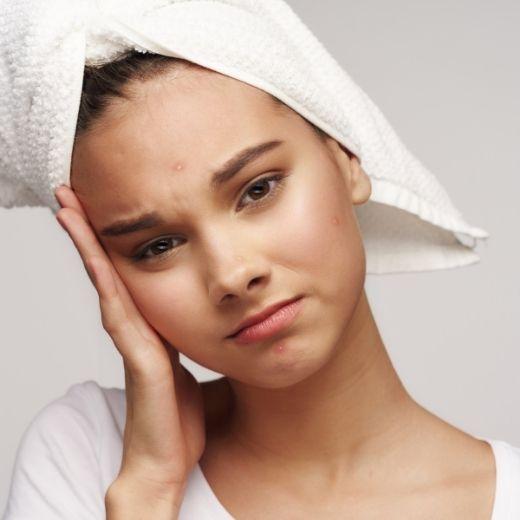
Waking up to unexpected blemishes can be frustrating. Many of us face acne at some point, whether it's just a few spots or a full-blown breakout.
While hormones are often a key factor, there are various surprising contributors to acne development.
Let's explore these triggers and share tips to keep acne at bay.
Hair Care Products
Ever heard of pomade acne? That's right; it refers to breakouts caused by hair care products.
Styling products can easily transfer oil to your forehead, trapping bacteria in your pores. This can lead to clogged pores and breakouts around the hairline.
Your hairstyle might also play a role. Bangs may look adorable, but they can exacerbate acne by bringing hair products into contact with your skin.
If you're noticing blemishes around your forehead, it could be a sign that your hair products are causing problems.
To prevent these breakouts, apply hair products carefully, avoiding your hairline. After use, cleanse your skin to remove any residual products.
We recommend a gentle cleanser that effectively removes dirt and impurities without harsh ingredients, suitable for all skin types.
Traveling to New Places
Have you noticed your skin breaking out after a trip? Changes in environment, such as sun exposure, heat, and humidity, can trigger acne.
While on vacation, you might find yourself soaking up sun or swimming in salty or chlorinated water, which can be quite different from your usual skincare routine.
Although you can't change the weather, limiting sun exposure and using a high-quality sunscreen can help protect your skin during travels.
Remember that your skin needs time to adjust to new environments, so it's best to avoid trying out new products while away.
Excessive Product Use
With so many new skincare products available, it's tempting to experiment. However, constantly switching products can confuse your skin.
Introducing new ingredients or switching products too quickly can lead to irritation and breakouts. Even anti-acne products can backfire if used excessively.
For any new product, allow at least four to six weeks for your skin to adjust. This time frame is necessary for your skin to renew itself.
Facial Hair Removal
Facial hair removal can sometimes lead to skin issues. Products used during or after hair removal can clog pores, leading to breakouts.
Itchy bumps might not be true acne; they could be irritation from hair removal. If you experience these, applying a warm compress a few times daily may help.
If the bumps persist, consult a healthcare professional for further advice.
Looking for more tips on managing acne? Check out our resources for acne care routines.