
Considering a makeover? Focus on warm color schemes to enhance your space. Choosing colors wisely can significantly influence the atmosphere and comfort levels in any room.
Warm color schemes evoke a sense of coziness and vitality, making your home décor feel welcoming. Those visiting will surely appreciate the inviting ambiance.
If reds and oranges aren't your style, don't fret. Warm color schemes encompass much more than these vivid hues, which can still dramatically alter a room's feel.
Understanding Warm Color Schemes

Warm color schemes consist of colors that create a sense of warmth within a space. While red and orange are the obvious hot hues, there are many subtle shades that contribute to this effect.
This guide will explore ideal rooms for warm color schemes and expert tips on blending these colors effectively.
Design professionals often recommend starting with a color wheel to select a harmonious mix of complementary shades for your space.
Top Colors for Warm Color Schemes

Which colors enhance warmth in a room? According to interior designer Amanda Barnes, a warm color scheme incorporates shades sharing similar undertones. Colors like yellow, orange, and red mimic the sun's warmth, energizing a space.
Kristen Fiore of Kristen Elizabeth Design adds that warm schemes include oranges, reds, yellows, and browns, all of which evoke feelings of warmth and comfort. These colors are often favored for larger areas to create a cozy atmosphere.
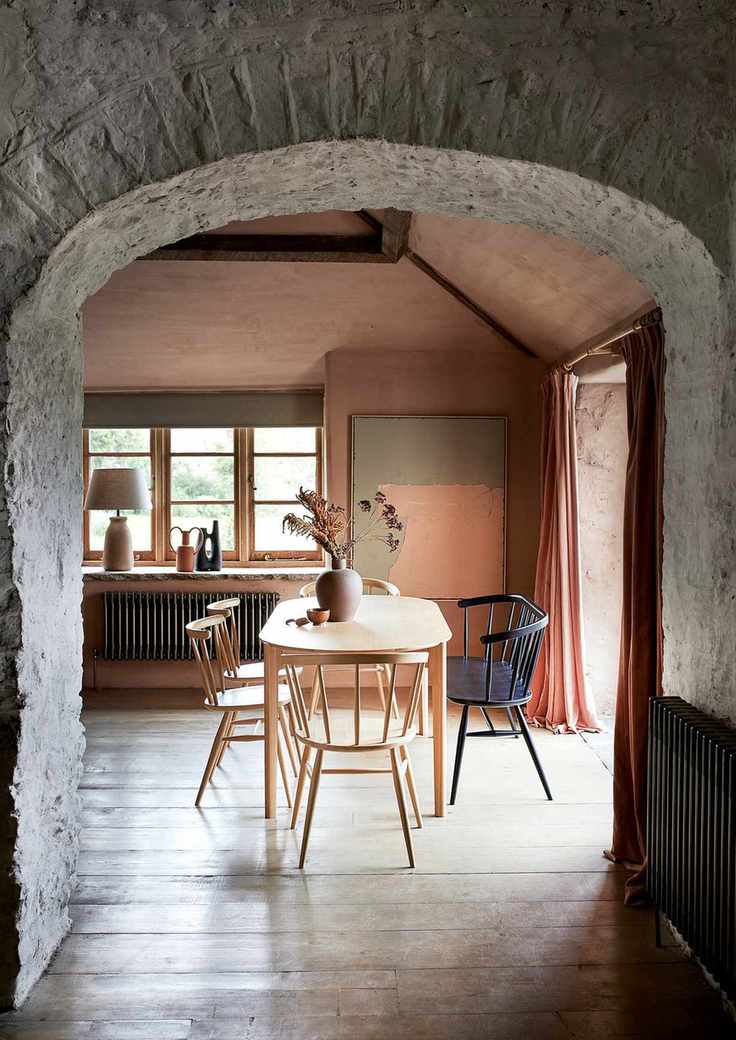
If you're keen on raising the warmth level, consider using red or opting for an orange scheme. Remember, these colors create a warmth illusion rather than altering the room's actual temperature.
Light science indicates that dark colors absorb light and heat, while whites reflect light, offering no temperature increase. For a true temperature change, one might consider deep colors, but our focus remains on the color wheel.
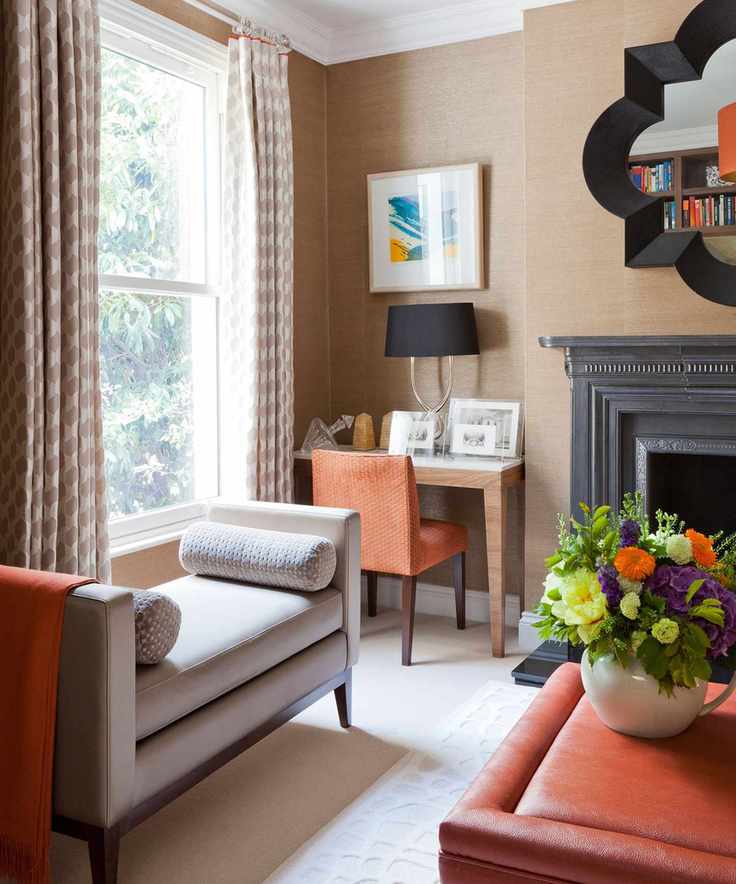
As Melinda Trembly of Rincon Rd Design Studio notes, warm colors include shades like red-violet, red, red-orange, orange, yellow-orange, yellow, and yellow-green. A warm color palette comprises any variations of these tones.
Design professionals agree on the earthy tones of warm colors, including oranges, reds, yellows, browns, and warm whites, as stated by Devika Kanadé, founder of The Itihāas Company.

Interior designer Brittney Ferguson suggests thinking of autumn when choosing colors—browns, tans, creamy whites, reds, and oranges are perfect for achieving warmth.
Kanadé adds: 'Using yellows, browns, and off-white beiges creates a warmer look. Mustard yellows and rich browns ground a space, softening light to foster a cozier atmosphere. Combining these with warm whites can lighten the space effectively.'
Where to Implement a Warm Color Scheme
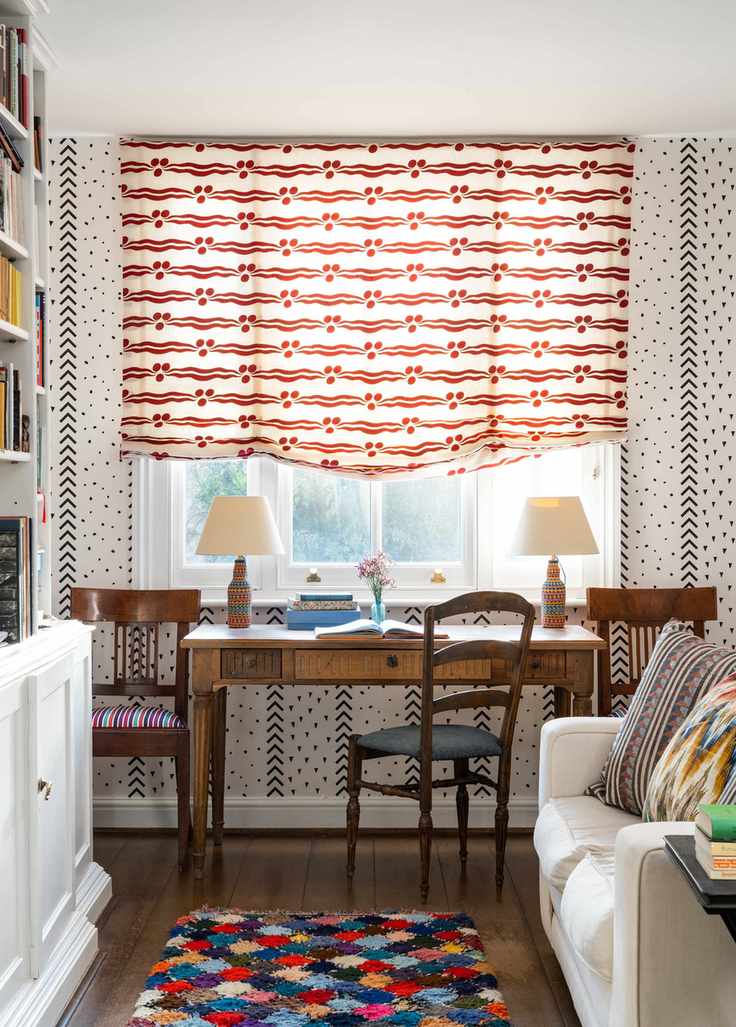
Almost any room can benefit from a warm color scheme, but natural light quality plays a vital role in selection. For instance, a north-facing room could greatly benefit from warm hues.
Consider the room's function too. In a study or home office, colors like green for creativity or blue for inspiration might be more appropriate.
According to Trembly, how colors influence feelings is crucial. Warm colors can enhance mood, create intimacy, and even boost appetite. Understanding your emotional response to colors is essential when designing your space.
'Natural light varies greatly by location, affecting color perception. For example, colors appear differently in the Pacific Northwest compared to the Arizona desert.'
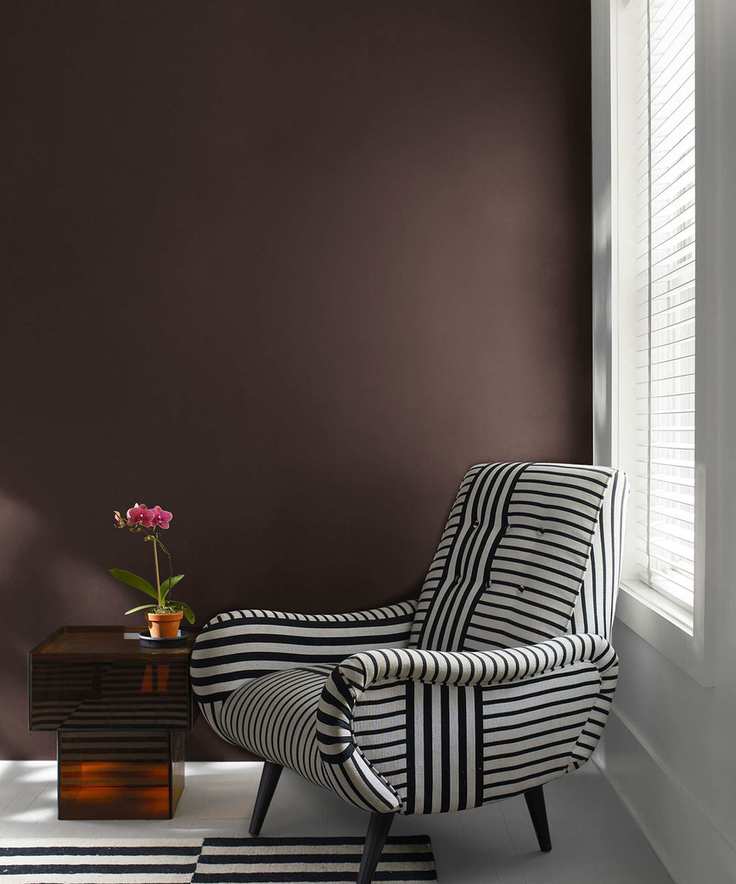
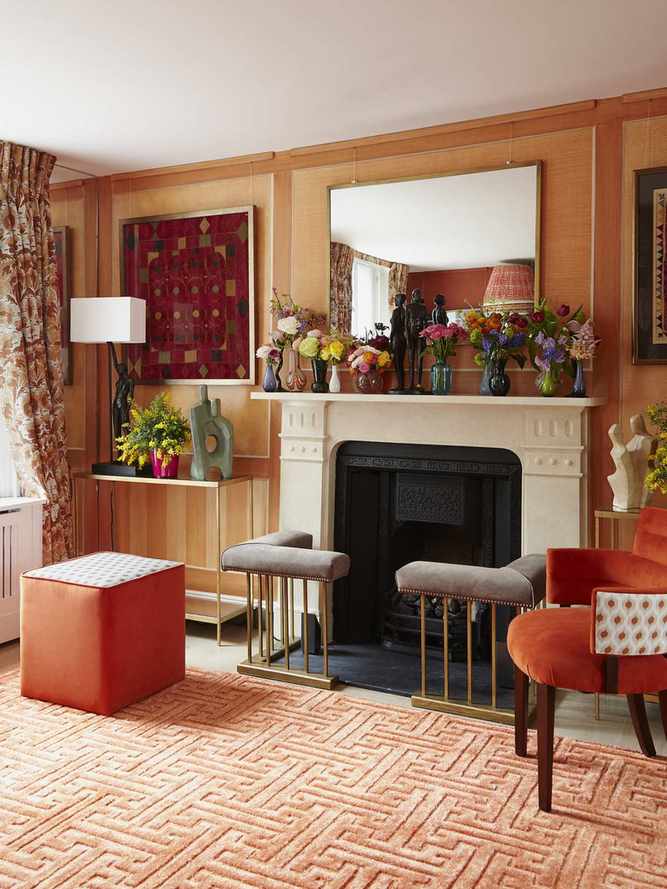
Rooms that evoke a sense of comfort, akin to a warm embrace, are ideal for warm color schemes. Cozy living rooms exemplify this approach. 'I love creating warmth in master bedrooms and dining spaces,' shares Ferguson, and we agree wholeheartedly.
Fiore notes that while living and family rooms often lean more neutral with browns and beiges, introducing deeper hues like burnt oranges or magentas can add depth and excitement, perfect for dining spaces.
Combining Warm and Cool Colors

Can warm and cool colors coexist in a room? Opinions vary among experts.
Devika Kanadé supports mixing them: 'Combining warm and cool colors adds character and intrigue when executed well. I often use brown to bridge the two tones.'
Trembly agrees, stating that each warm color has a cool counterpart on the color wheel. For example, red pairs with green as its complementary color. A slightly different approach could be using red, yellow-green, and blue-green for a split complementary scheme.
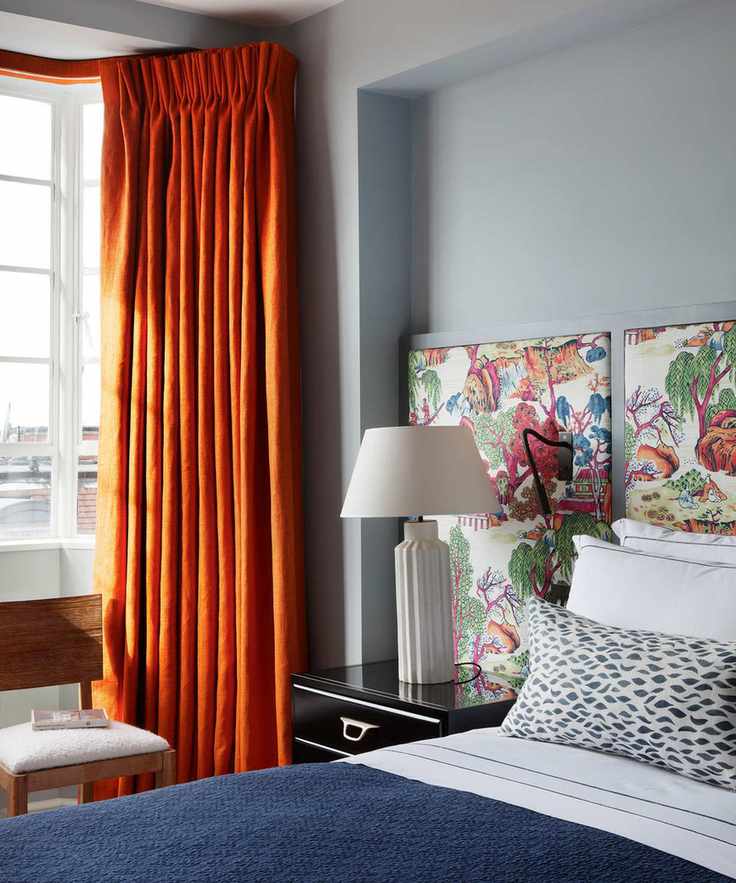
Brittney Ferguson strongly believes in mixing tones: 'Using only warm colors can darken a space. Including cool colors adds layers, creating a curated and lively environment.'
Conversely, Kristen Fiore suggests sticking to one tone within a room for harmony: 'Maintain warm colors together for a cohesive feel. You can use cooler tones in adjacent areas, but keep them separate.'
Amanda Barnes advises caution as well: 'While blending warm and cool colors can add joy to a space, ensure they complement rather than clash. A warm palette with cool accents can work well if designed thoughtfully.'
FAQs
What Defines a Warm Color?
'Colors with red, orange, or yellow undertones are considered warm,' explains Brittney Ferguson. She emphasizes the importance of matching colors appropriately to avoid clashes. A warm shade with yellow undertones can appear entirely different when paired with contrasting colors, so always test paint in your space.
Trembly favors 'muddy' colors—those that aren't pure—yet warns about their complexity. 'Determining the warmth of certain colors can be tricky due to undertones. For instance, a cool green may possess warm yellow undertones. Neutrals too can feel warm or cool based on their undertones.'
A room's ambiance is shaped by its components. Consider not only the main color but also how it interacts with other choices, as designer Kendra Nash illustrates: 'Clients often seek warmer tones like taupes, tans, mauve pinks, and rich browns. A soft white base color enhances these warmer hues.'
Ultimately, how you blend and accessorize colors is crucial to achieving that cozy feel.