Even during the coldest winter days, it's never too early to start preparing the soil for your upcoming spring plantings.
While it's often too early to sow half-hardy annuals in colder climates, you can typically plant hardy annuals like sweet peas, calendula, and sunflowers directly into your flower beds or raised beds. This also applies to resilient broad beans, peas, parsnips, spinach, onions, hardy lettuce, and spring onions.
However, even tough seeds can struggle in cold, damp ground, so warming the soil beforehand enhances growth and helps reduce weed presence.
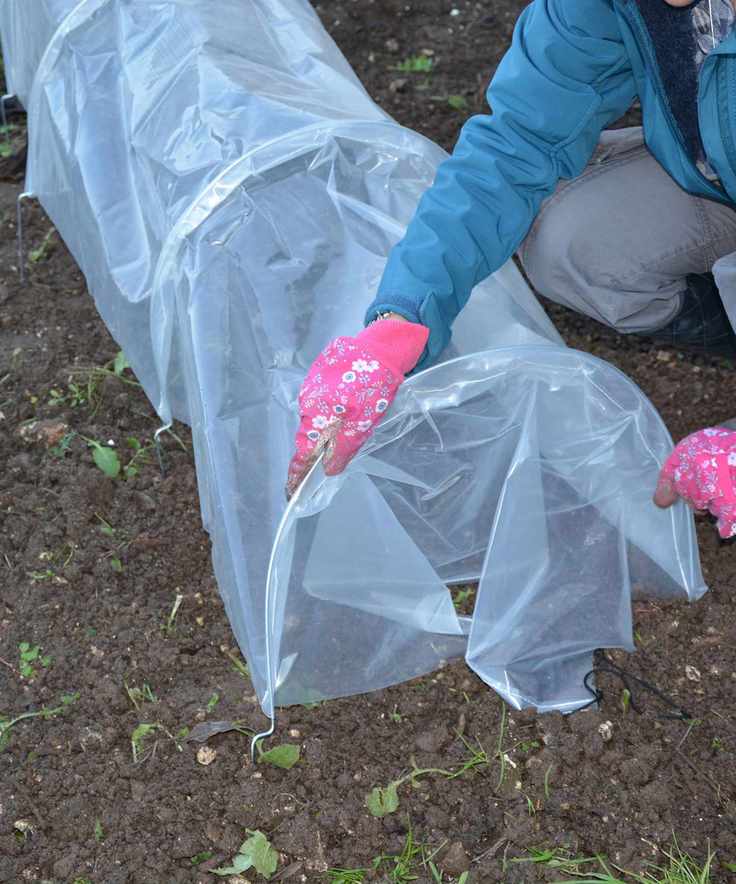
Using a plastic tunnel cloche to warm bare soil
Timing for Warming Soil
Warming soil takes a few weeks to reach optimal temperatures for germination, so late winter is the right time to cover raised beds and garden borders with insulating materials.
I suggest starting these methods about six weeks prior to planting seeds or young plants, and be ready to protect them with insulating frost protection fabric (available from Amazon) if late frosts occur. Remember, dense clay takes longer to warm, so allocate extra time.
Before warming your soil, ensure it's damp; otherwise, covering it may prevent rain from reaching it, leaving it too dry for planting. Enrich the soil with well-rotted compost or manure, or mix in some chicken manure fertilizer.
3 Simple Techniques to Warm Soil for Planting Seeds
In addition to using horticultural fleece, tunnel cloches, and glass or plastic cloche domes, I repurpose household items like old compost bags, carpet scraps, and cardboard boxes saved from the holidays.
These materials not only warm the soil but also help eliminate weeds by blocking their growth, making it simpler to sow and plant in February.
1. Glass or Plastic Cloches
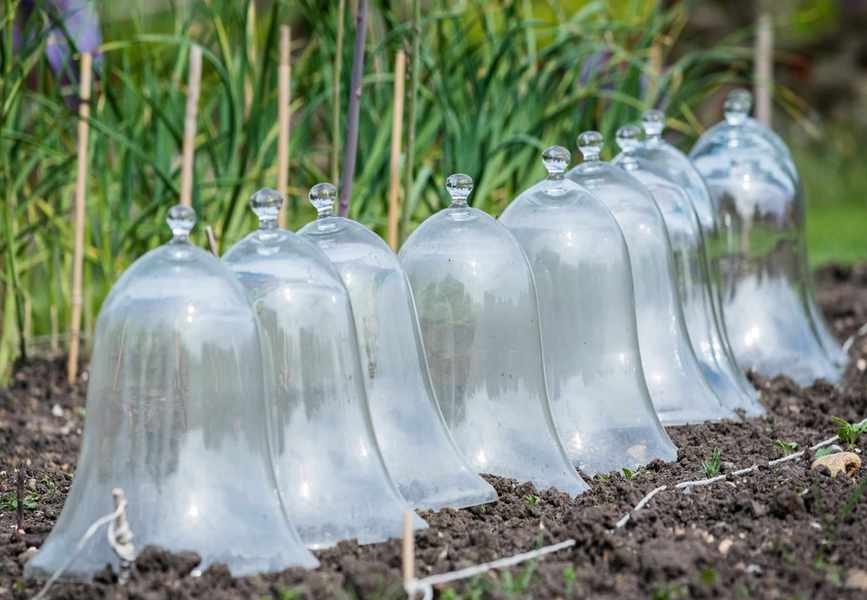
Cloches are an affordable and common solution for warming soil and protecting young plants. They come in two main types: tunnel cloches made of plastic or fleece and bell or lantern cloches made of glass or plastic.
Tunnel cloches, such as this seedling tunnel from Amazon, are great for longer soil stretches where you plan to grow seeds or seedlings. They also protect tender leaves from birds once the seedlings sprout.
Single cloches are perfect for warming specific soil spots and shielding plants from frost, especially delicate young shoots.
While glass cloches can be pricey, they're heavy enough to withstand harsh weather. However, they can break, so be cautious of glass shards in your garden.
Plastic dome cloches, like this HTG model from Amazon, are more budget-friendly but should be anchored as they can easily blow away in windy conditions. Many include pre-punched holes for securing with pegs or stakes.
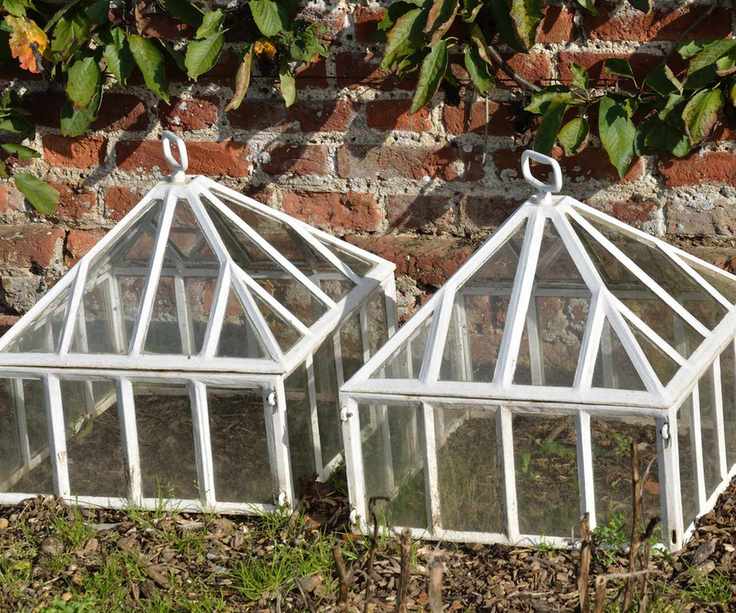
Single cloches can warm smaller soil areas
2. Cover Soil with Old Cardboard
Flattened cardboard boxes are an inexpensive and effective way to warm soil before sowing flower or vegetable seeds. Plus, cardboard effectively controls weeds by blocking light and stifling their growth.
Carpet scraps also work well for heat retention and can be used as insulation for your compost heap and leaf mold bins. Similar to cardboard, they help combat weed growth.
Be sure to weigh down your cardboard and carpets with bricks to prevent them from blowing away.
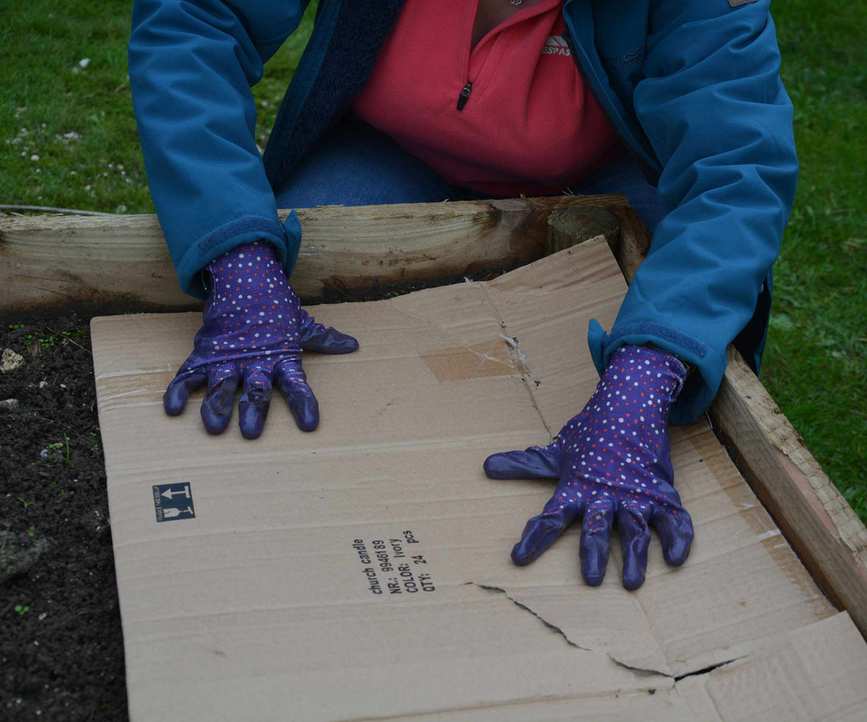
Using a flattened cardboard box to warm the soil
3. Recycle Compost Bags and Packaging
If you're short on space and want to grow more, raised beds are a perfect choice. For existing raised beds, warm the soil using old compost bags.
If you're in a hurry and need to warm the soil quickly before planting, turn the bags inside out so the black side faces up to absorb more sunlight and heat.
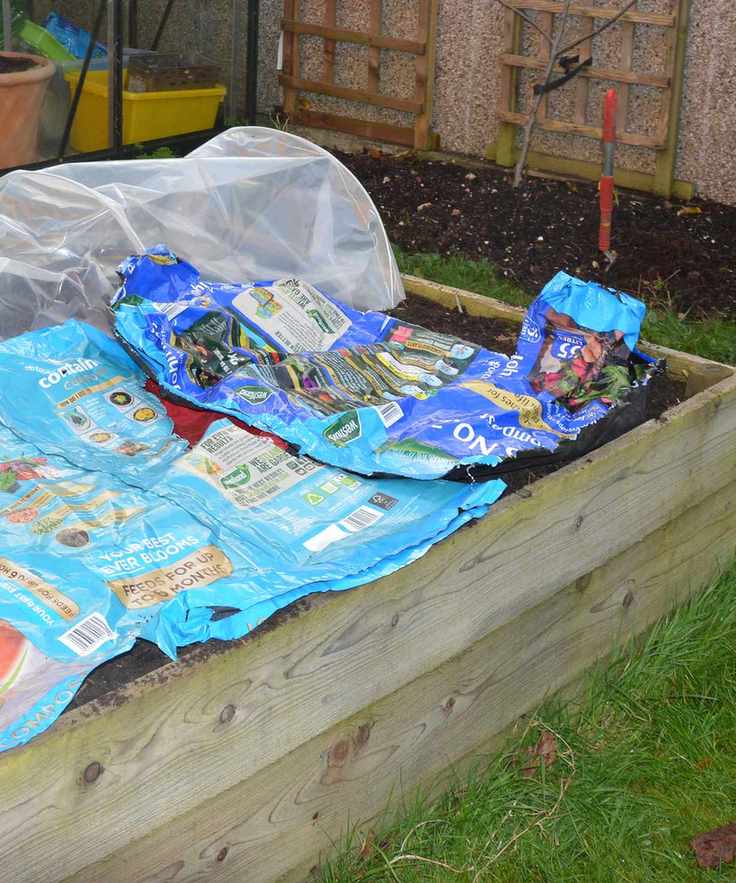
Warming soil in a raised bed with a tunnel cloche and old compost bags
Which Soil Takes the Longest to Warm?
Among all soil types, clay takes the longest to warm compared to lighter soils. If your garden features clay soil, consider starting seeds in pots or modules indoors or on a sunny windowsill, then transplanting them once the soil warms up later in the season.