
If you're not familiar with retinol, it's time to get acquainted. This potent ingredient tackles various skincare issues like aging, breakouts, and dark spots.
While retinol delivers amazing results, it's important to ease into its use. This vitamin A derivative can cause dryness and irritation, necessitating a gradual introduction.
For those new to retinol, starting with a lower concentration is wise before ramping up strength and frequency.
Wondering when to boost your dosage? Keep reading.
When Is It Time to Increase Your Retinol Strength?
Typically, you should allow at least six to eight weeks before increasing retinol strength. However, your skin's reaction is what truly matters.
Regardless of your skin type, be vigilant for side effects when beginning retinol, including redness, itchiness, or dryness.
If your skin adapts well to a certain retinol strength, it's time to consider a stronger option. Generally, those with more sun damage or signs of aging should aim for higher concentrations.
Unsure about your retinol dosage? Consult your dermatologist for personalized advice.
Why Start with a Lower-Strength Retinol?
Your skin requires time to adjust to retinol, as it's highly effective and can cause irritation if introduced too quickly.
Using lower concentrations helps your skin acclimate safely without causing excessive redness or irritation.
Effective Tips for Using Retinol
There are proper techniques for applying retinol. Here are some best practices.
Choose the Right Formulation
Retinol is available in both prescription and over-the-counter options. If you have sensitive skin or have struggled with prescription retinoids, starting with an OTC serum is advisable. These typically irritate less than prescription retinoic acid, making them suitable for a broader range of skin types.
Keep in mind that OTC retinol must convert to retinoic acid, so visible improvements may take time.
Establish a Routine
Develop a consistent retinol routine. Begin by applying it every other or third night, gradually working up to nightly use to allow your skin to adjust.
Since retinoic acid can thin the skin's outer layers by about a third, it's best to use retinol at night. The ingredient can degrade in sunlight, reducing its effectiveness during the day.
Moreover, sun exposure can exacerbate redness, so if you experience irritation, sun exposure might worsen it.
Practice Patience
Lastly, patience is key! The effects of retinol won't be immediate for anyone. Depending on your skin's condition and the type of retinol used, you may need six to eight weeks to see significant results.
But trust us, when you do see those results, they'll be rewarding!
Recommended Retinol Products
There are numerous retinol products available, but here are some top picks.
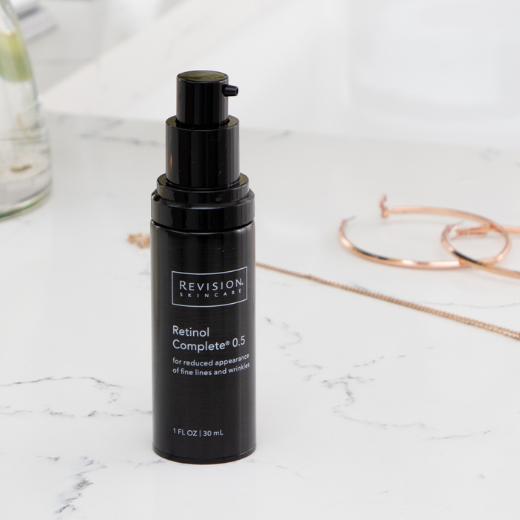
Revision Retinol Complete 0.5
This award-winning serum is crafted to brighten and smooth your skin. In addition to retinol, it features five antioxidants and botanical extracts that enhance its effectiveness while providing lasting hydration.
Apply this serum at night. After cleansing, pump one or two doses onto your hand and apply it to your face two to three times a week, avoiding the eye area.
Increase frequency as your skin adjusts for optimal results.
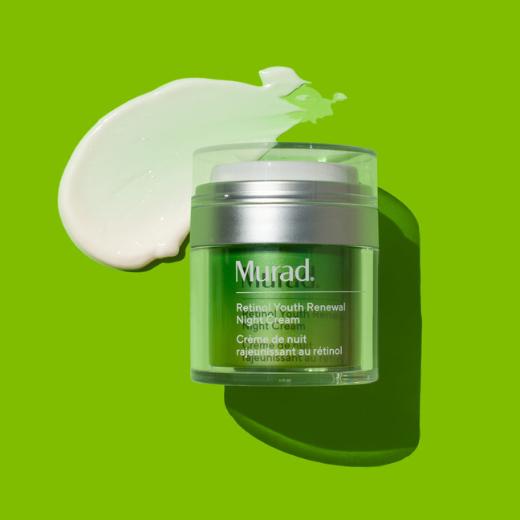
Murad Retinol Youth Renewal Night Cream
This night cream not only reduces visible signs of aging, like fine lines and wrinkles, but also addresses issues you may not yet see. It's a fantastic two-in-one solution!
Using this cream is simple. Just massage a small amount onto your face and neck before bed and let the formula work overnight. Its gentle formulation allows for nightly use, so you can wake up feeling fabulous every day.
Looking for more skincare insights? Check out 10 beauty buzzwords to learn.