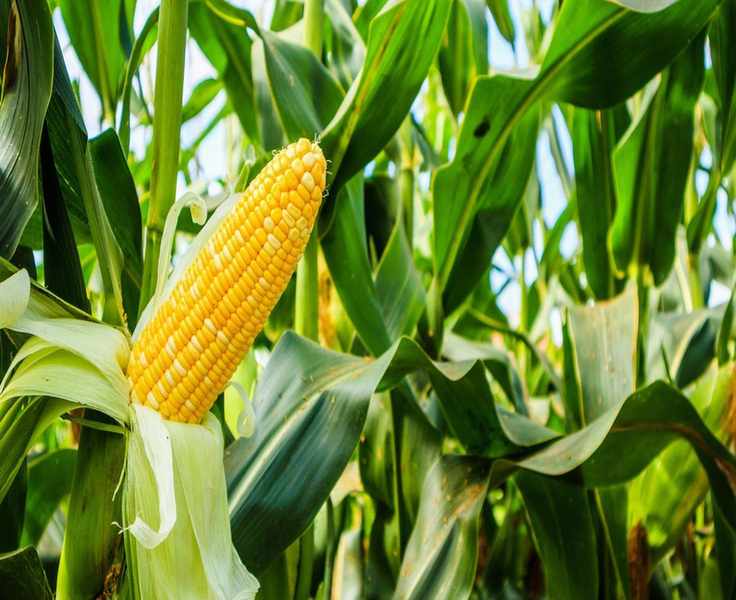
Corn thrives on ample water and nutrients, producing delicious cobs. These tall plants are easy to cultivate, but they need consistent fertilization to flourish.
Rich soil is crucial, particularly with nitrogen for growth, followed by potassium during cob development.
Regular watering and feeding are key to successful corn cultivation. We'll explore the optimal timing for fertilization and how to choose the right nutrients to ensure a fruitful corn yield for all your culinary creations.
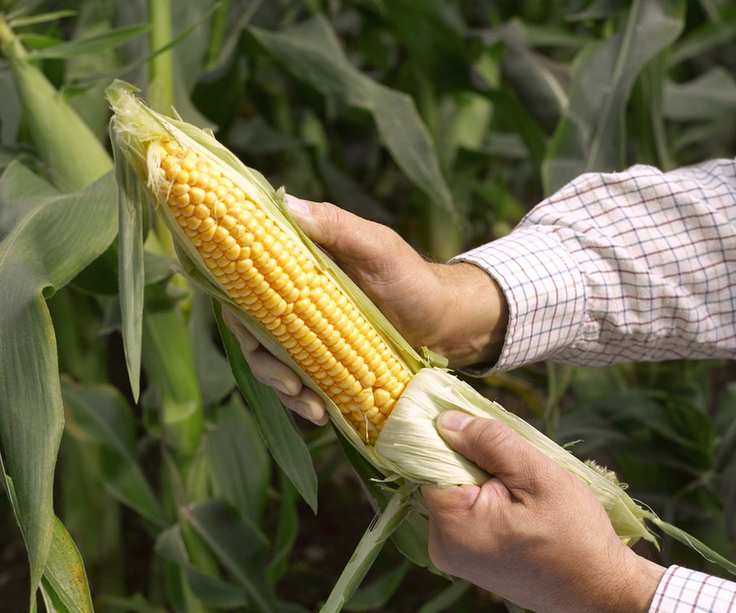
It can take three months to go from sowing to harvesting corn
Best Timing for Fertilizing Corn
Before you plant corn, it's wise to test your soil. Understanding its type, pH, and nutrient levels will help you create optimal conditions for growth.
Soil test kits, like this Professional Soil Test Kit on Amazon, can identify nutrient deficiencies that need addressing.
You can enhance the soil before planting by adding compost or well-rotted manure in the fall. This enriches the soil and boosts its ability to retain moisture. Mulching materials can be incorporated into the soil or placed on top, benefiting from natural soil processes.
Corn benefits from fertilization at various stages. When plants reach about four inches tall, they require a balanced fertilizer to give them a strong start.
As they grow to 10-12 inches, an additional high-nitrogen feed promotes healthy foliage growth.
According to Bob Flowerdew, an organic gardening expert, feeding must be carefully timed so plants can utilize the extra nutrients effectively.
He notes, 'Sweetcorn is a grass that thrives on nitrogen in its early stages. However, over-fertilizing once the cobs start forming can lead to excessive vegetative growth instead of ripening the cobs.'
Once cobs develop, nutrient needs shift from a nitrogen focus to increased potassium and phosphorus, which are essential for cob growth and ripening, ensuring a successful harvest.
Gardening expert John Negus cautions that excessive nitrogen in the soil may hinder fruiting growth. He suggests using a high-potash feed for optimal kernel development.
To expedite cob development, he recommends 'feeding twice weekly with a high-potash tomato fertilizer.'

Bob Flowerdew is an organic gardening expert who shares his insights on sustainable practices and eco-friendly gardening methods.

With over 50 years of experience, John has authored several gardening books and regularly answers reader inquiries.
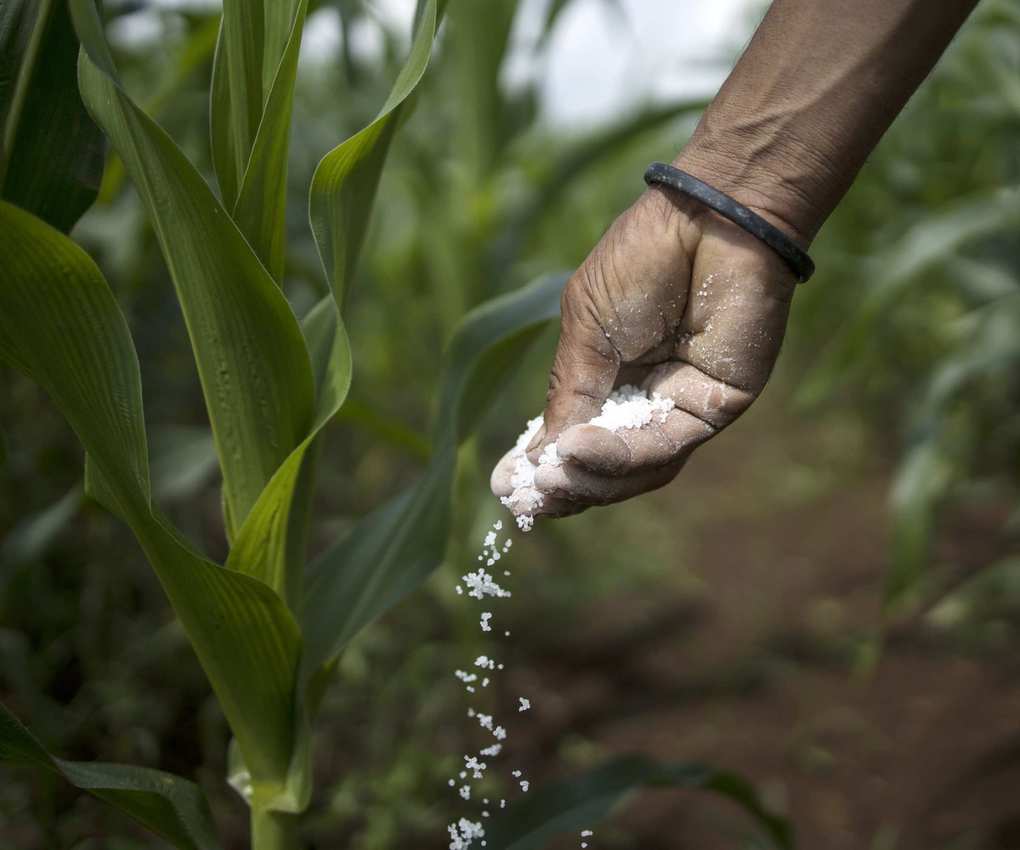
Granular fertilizers are applied to corn by side-dressing around plants
Choosing Fertilizers for Corn
Understanding fertilizer labels is crucial. The three key nutrients—nitrogen, phosphorus, and potassium—are represented as NPK values, like 10-10-10.
During the initial growth stage, use a balanced fertilizer with equal NPK ratios. A great option is Jack's Classic All Purpose Plant Food available at Amazon, featuring a 20-20-20 NPK ratio.
As plants mature, switch to a high-nitrogen fertilizer, such as blood meal, urea, or chicken manure pellets. The Natural Organic Blood Meal from Burpee (NPK 12-0-0) is ideal for corn's high nutrient demands.
Granular high-nitrogen fertilizers should be applied by side-dressing, placing them about four inches from the stems. It's essential to water well after application to activate the nutrients.
To increase kernel production, use fertilizers designed for tomatoes, which are rich in potassium and phosphorus. These can come as granules or liquid feeds, mixed with water and applied at ground level during watering sessions. The Espoma Organic Tomato-Tone Vegetable Food available at Walmart (NPK 3-4-6) is a granular fertilizer beneficial for cob development.
Common Questions
When is it too late to fertilize corn?
Once the plant begins tasseling, it's advisable to cease high-nitrogen fertilization. This stage indicates the plant is transitioning to its reproductive phase.
What happens with excessive fertilizer on corn?
Signs of over-fertilization include leaf discoloration, stunted growth, or leaf drop. Soil may show green algae growth, and too much nitrogen can produce ammonia odors.
Over-fertilizing can negatively affect yield, weakening plants instead of strengthening them. Always follow recommended rates and monitor for signs of overfeeding.
Corn demands significant water and nutrients for a successful yield. Implementing strategies for maintaining moisture in summer is crucial for healthy corn. Fertilizing properly can lead to an abundant harvest for grilling or making delicious dishes.