
Lavender is a beloved garden flower, known for its delightful fragrance and versatility. Understanding the right time to transplant lavender can enhance its lifespan, allowing you to enjoy its beauty for many seasons.
Knowing when to plant lavender is crucial for establishing roots and ensuring stunning blooms. Transplanting lavender is equally important; it provides fresh nutrients, protects against harsh weather, and allows ample space for growth, making your flower bed lush with purple plants.
Here's expert advice on when to successfully transplant lavender for strong perennial plants.
Optimal Times for Transplanting Lavender
Similar to many perennials, lavender can be moved during two key periods: spring and early fall. These times align with when you might consider pruning. Spring and early fall are ideal for transplantation, whether relocating plants within your garden or indoors for winter protection.
Gardening expert Fiona Jenkins advises, "If fall weather is mild, it's fine to move your lavender. Alternatively, wait until spring when the ground warms and the plant isn't flowering yet."
Transplanting Lavender in Autumn
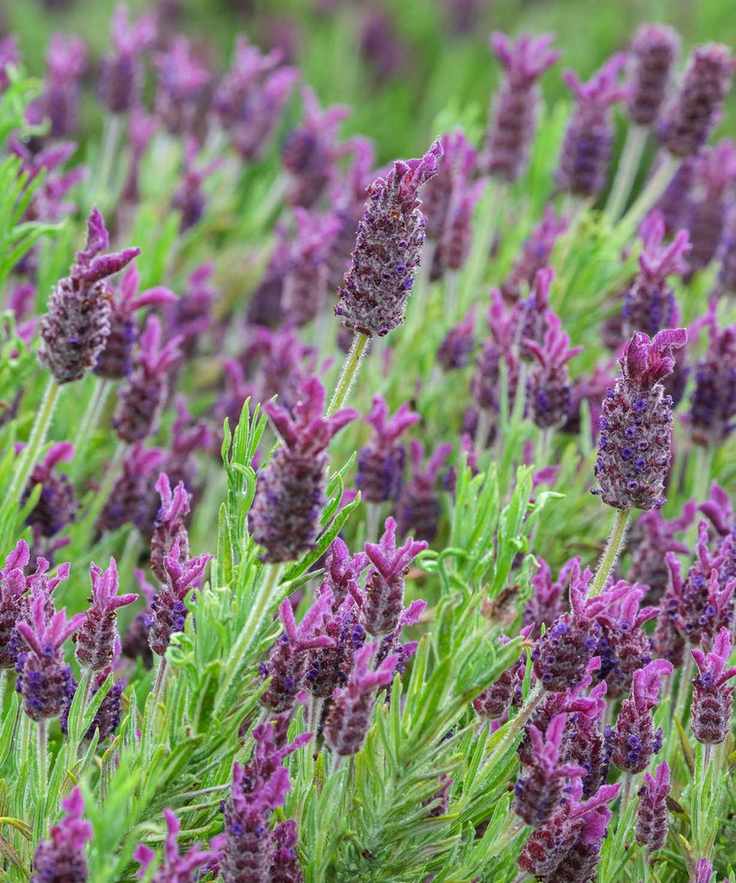
Those familiar with when to plant lavender know that early to mid-fall is crucial for lavender care. This season offers mild temperatures, making it perfect for transplanting without exposing the plants to extreme heat or frost.
When transplanting in the fall, ensure the ground isn't frozen, and choose a day at least a month ahead of the first frost. This allows roots time to adjust to their new environment.
Reasons to Transplant Lavender
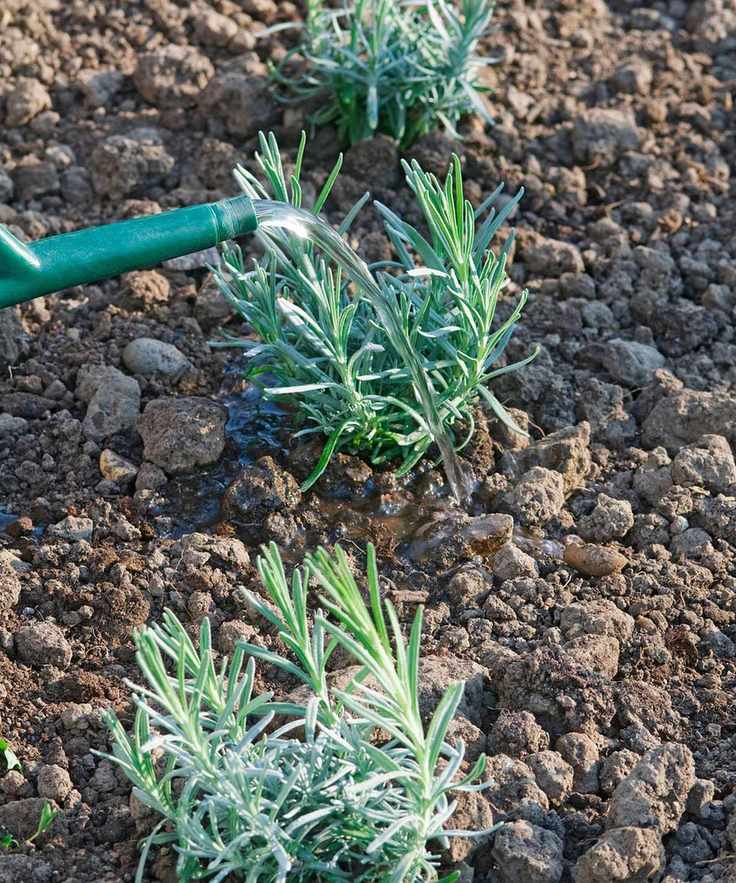
While dividing lavender plants isn't typically recommended due to their woody structure, transplanting can be beneficial. Marcus Eyles, a horticultural director, explains, "Transplanting gives plants a fresh start in new pots or locations. Using fresh compost provides a nutrient boost and helps assess root health and space."
As lavender grows, it can become root-bound, limiting its potential. Transplanting ensures it has room to flourish. It's also excellent for positioning among veggies and flowers to reduce pests and attract pollinators. Non-hardy varieties can benefit from being moved into a greenhouse during winter.
If you'd like to grow more lavender, consider taking plant cuttings instead of dividing existing plants.
Caring for New Lavender Transplants
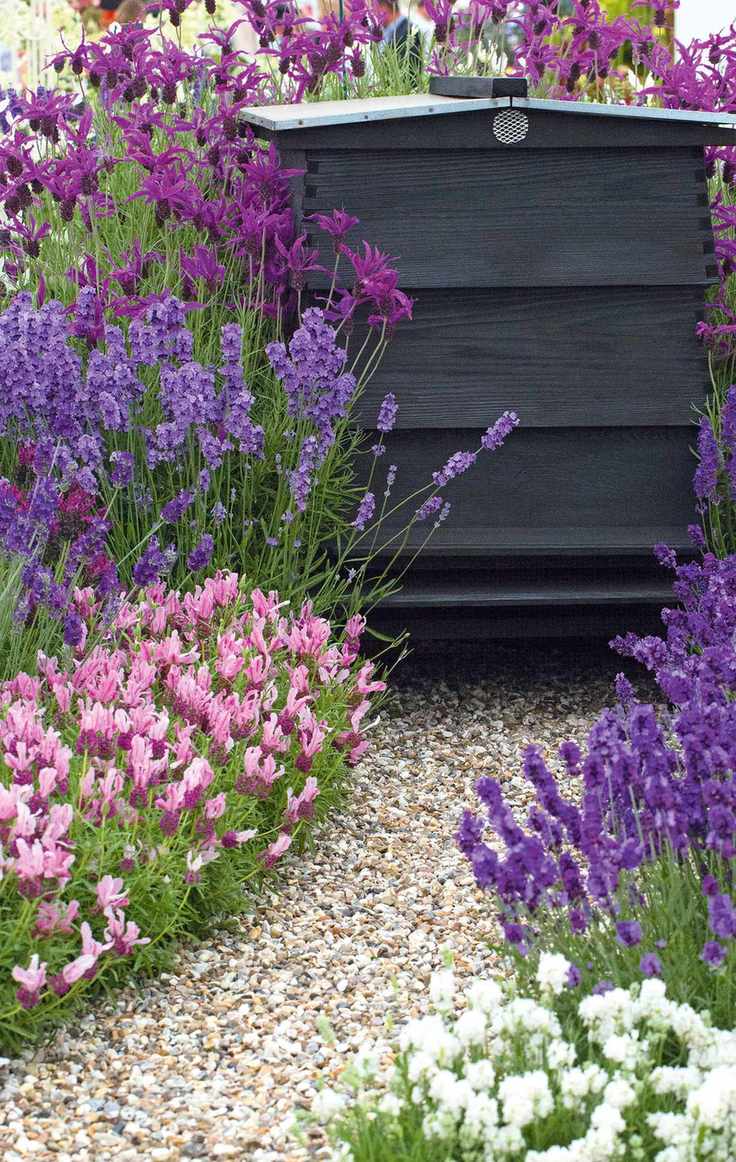
After transplanting, keep lavender plants moist until they establish but avoid overwatering. Marcus suggests weeding the area to reduce competition for nutrients.
To protect your plants from harsh winter conditions, mulch with quality peat-free compost. This not only safeguards new plants but also promotes soil health and root protection during colder temperatures. During particularly severe winters, consider using fleece covers for added protection.
Fiona adds that mixing sand and gravel around the roots can improve soil drainage and promote healthy root development.
Should You Water Lavender After Transplanting?
Water lavender weekly after transplanting, allowing the soil to dry out between waterings. Soak the soil thoroughly right after transplanting to help the plant adjust and minimize transplant shock.
Is Summer Transplanting Possible?
Mature lavender can handle transplanting, but it's best to do this only until early summer. Moving plants during dormancy helps them acclimate with less stress. Transplanting in summer may weaken roots and increase susceptibility to disease.