Seeing your houseplants struggle can be disheartening, especially when you believe you're giving them the best care. Don't lose hope; there's often a clear reason behind the drooping.
Your pothos may be drooping for several reasons, but don't worry—these issues can usually be fixed easily. While pothos care is generally simple, small missteps in their environment can lead to wilting and even yellowing leaves.
Here's a look at three common causes of a drooping pothos and how to bring it back to life—there's a quick fix for each!
3 Reasons Your Pothos Is Drooping
As mentioned, several common indoor plant errors can lead to a drooping pothos. Figuring out what's bothering your plant is key to fostering healthy growth again.
1. Improper Watering
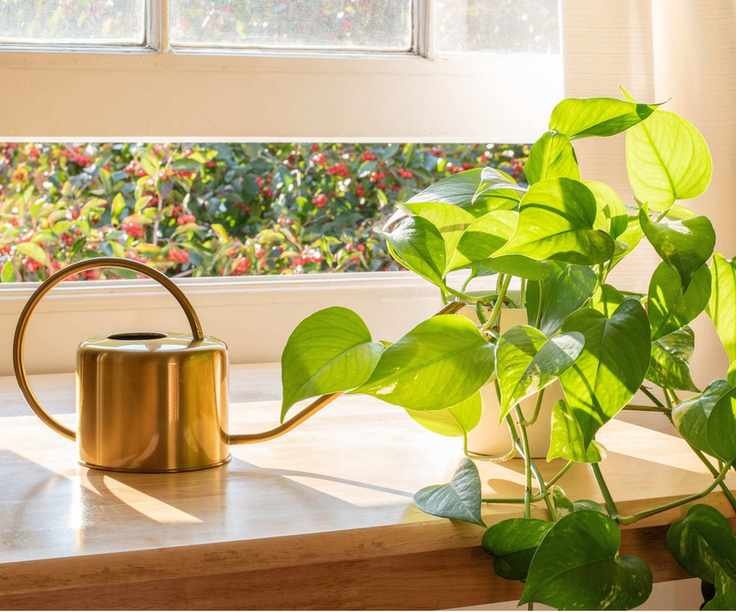
Watering houseplants correctly isn't as straightforward as it seems, especially when managing various plants with different needs. Many plant enthusiasts end up overwatering or underwatering their plants.
For pothos, insufficient water can cause drooping since they don't handle drought well. Fortunately, it's not too late to save your plant:
"If the leaves are drooping, it's a sign to water your plant. Dry, brown edges indicate it's been too dry for too long," shares a plant expert from the National Garden Bureau.
"Make sure to thoroughly water the drooping plant and allow the soil to dry out between watering sessions," she suggests.
Consider using this soil moisture meter from Amazon to help gauge when it's time to water your pothos again, ensuring it doesn't stay dry for too long.
Conversely, overly wet soil can lead to root rot, causing drooping as well. Watch for black spots on the leaves as a warning sign.
2. Inadequate Light Conditions
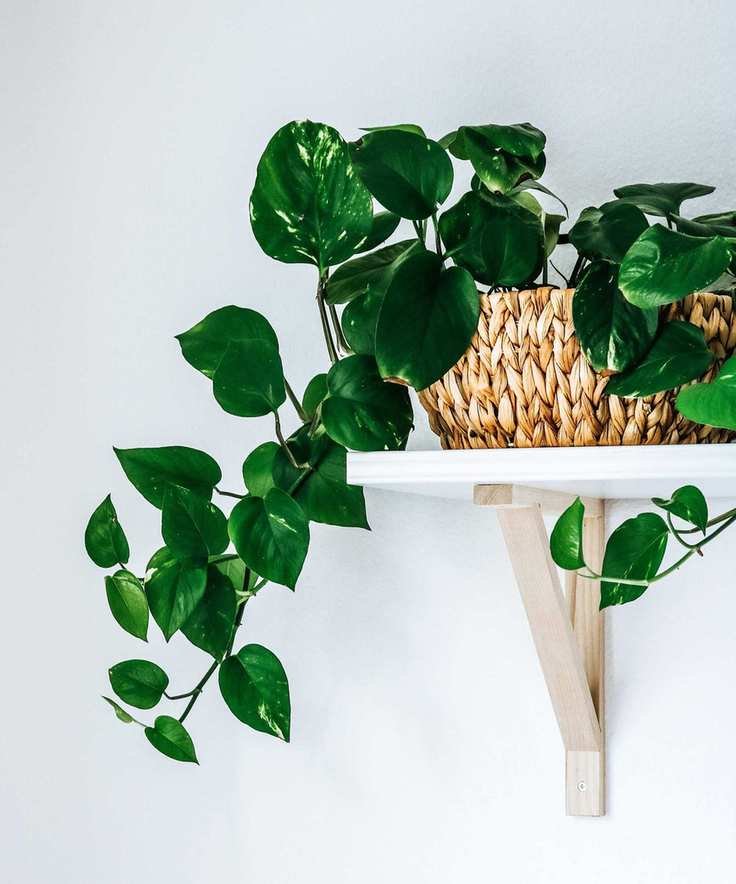
While pothos is known as a low-light indoor plant, insufficient light can also lead to issues like drooping and loss of variegation. Some varieties, such as Neon Pothos, tolerate low light better than others.
"Pothos thrives in bright, indirect light," the expert advises. "They don't fare well in direct sunlight," she adds.
Direct sun can cause leaf scorch, as their leaves are adapted to the shaded conditions of their native tropical rainforests.
If your pothos is in a dim room, consider relocating it to a brighter area or utilizing grow lights, such as this grow light from Amazon.
3. Temperature Changes
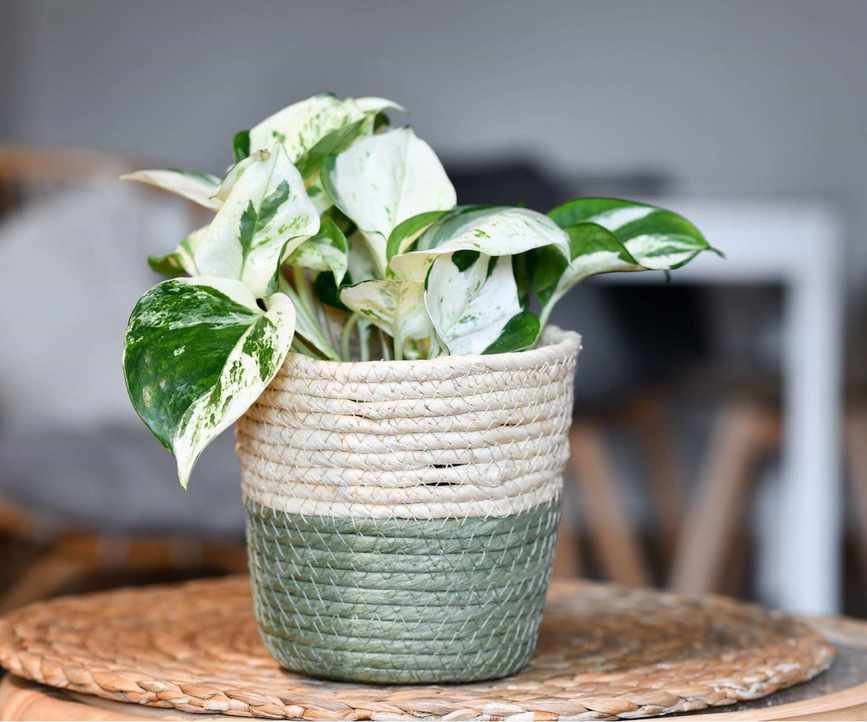
Pothos plants thrive in temperatures between 65-85°F. They aren't suited for cold environments, so avoid placing them on chilly windowsills or in drafty spots.
Transitioning your plant from a warm area to a cooler one can induce drooping. Sudden temperature changes, especially as winter approaches, can shock your pothos and affect its growth.
To prevent this, keep your pothos in warmer areas of your home. During colder months, consider using products like this heat mat from Amazon or an indoor greenhouse.
Can Fertilizer Affect My Pothos?
Your pothos could also be drooping due to a fertilizing error. These plants don't require much fertilizer—just once a month during spring and summer. Over-fertilizing can saturate roots and lead to root burn, manifesting as drooping, wilting, and discoloration.
If droopy leaves have started to discolor, they may not recover. In this case, prune the affected leaves using sharp pruning tools (like these pruning shears from Amazon) for clean cuts.